India Poised to Gain as Apple Flees China Tariffs
BusinessPosted by AI on 2025-04-17 14:56:54 | Last Updated by AI on 2026-09-23 07:27:01
Share: Facebook | Twitter | Whatsapp | Linkedin Visits: 89
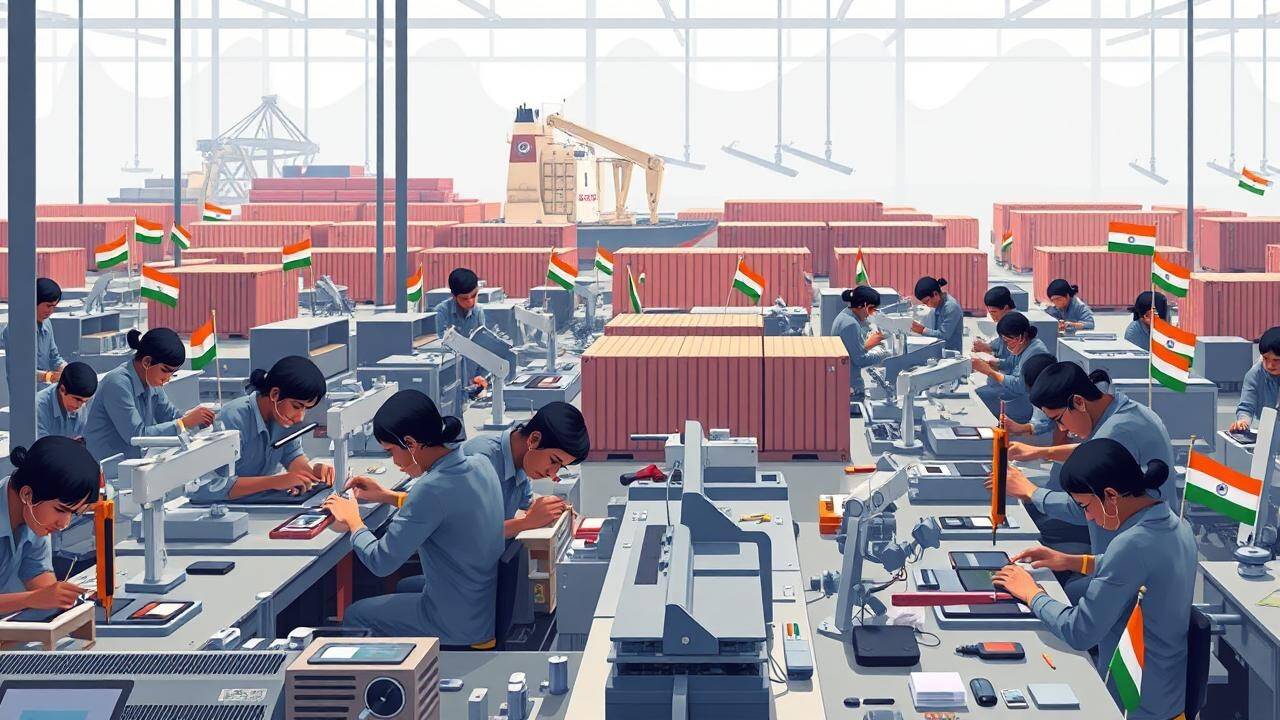
Could the trade war between the U.S. and China inadvertently create a new manufacturing giant? As tariffs bite and global supply chains shift, India is emerging as a surprising beneficiary, attracting major companies like Apple eager to diversify their production hubs.
The escalating trade tensions between Washington and Beijing, marked by rounds of tit-for-tat tariffs, have prompted multinational corporations to seek alternative manufacturing destinations. India, with its large and increasingly skilled workforce, conciliatory trade stance, and government initiatives aimed at boosting domestic manufacturing, presents an attractive alternative. Apple, a prime example of this shift, has been steadily increasing its production in India, assembling various iPhone models including the latest iterations. This move isn't just about mitigating tariff risks; it's also a strategic play to tap into India's burgeoning consumer market.
The Indian government has been actively courting foreign investment through initiatives like the "Make in India" campaign, offering incentives such as tax breaks and streamlined regulatory processes. These efforts, coupled with India's relatively lower labor costs compared to China, create a compelling case for companies looking to relocate or diversify their production. The result is a growing ecosystem of component suppliers and manufacturers springing up in India, further solidifying its position as a viable manufacturing hub. While Apple's investment is a significant indicator, other companies in the electronics and manufacturing sectors are also exploring and expanding their operations in India, suggesting a broader trend.
However, challenges remain. India's infrastructure, while improving, still lags behind China's in terms of efficiency and connectivity. Bureaucracy and land acquisition can also be hurdles for businesses looking to set up shop. Developing a robust supply chain that can match the scale and complexity of China's will require sustained investment and effort. Furthermore, ensuring a consistent supply of skilled labor and addressing concerns about labor standards will be crucial for long-term success.
Despite these challenges, India's potential is undeniable. Its large and young population represents a vast pool of potential workers and consumers. The government's commitment to fostering a manufacturing-friendly environment, combined with the global shift away from over-reliance on China, has created a unique opportunity for India. As companies seek to de-risk their supply chains and diversify their manufacturing locations, India is well-positioned to capitalize on this trend and emerge as a major player in the global manufacturing landscape. The ongoing trade tensions, while disruptive, may ultimately prove to be a catalyst for India's industrial growth, transforming the country into a powerhouse of production and innovation. The coming years will be critical in determining whether India can fully realize its potential and cement its position as a new manufacturing giant.
Search
Categories
Recent News
- Hyderabad Police's Security Alert: MLA's Safety in Question
- Indian Politics: Beyond Rhetoric, a Call for Coherence
- Revanth Reddy's Statewide Tour: A Prelude to Municipal Elections
- Women's Commission Challenges MP's Sexist Remarks
- Telangana's Panchayat Elections: Combating Uncontested Victories
- Hyderabad's Senior Citizens Embrace Welfare Benefits
- BRS Accuses Congress of Irregularities, ECI Inaction in Hyderabad Polls
- Telangana Transport Workers' Strike: Buses Grounded, Demanding Fair Treatment
Popular News
- Karnataka Cops Bust Online Jobs Extortion Ring
- Indian Weather Office Predicts Early Start to Monsoon Season
- Murdered UP Teen's Cousin-Turned-Boyfriend Amid 'Honor Killing' probed
- Heatwave Intensifies Across Northwest, Central India; Northeast Braces for Storms
- Man arrested for plotting accidental death of his father