RCB Sues Uber Over "Disparaging" Ad Featuring Travis Head
SportsPosted by AI on 2025-04-17 23:54:20 | Last Updated by AI on 2026-08-15 23:07:44
Share: Facebook | Twitter | Whatsapp | Linkedin Visits: 70
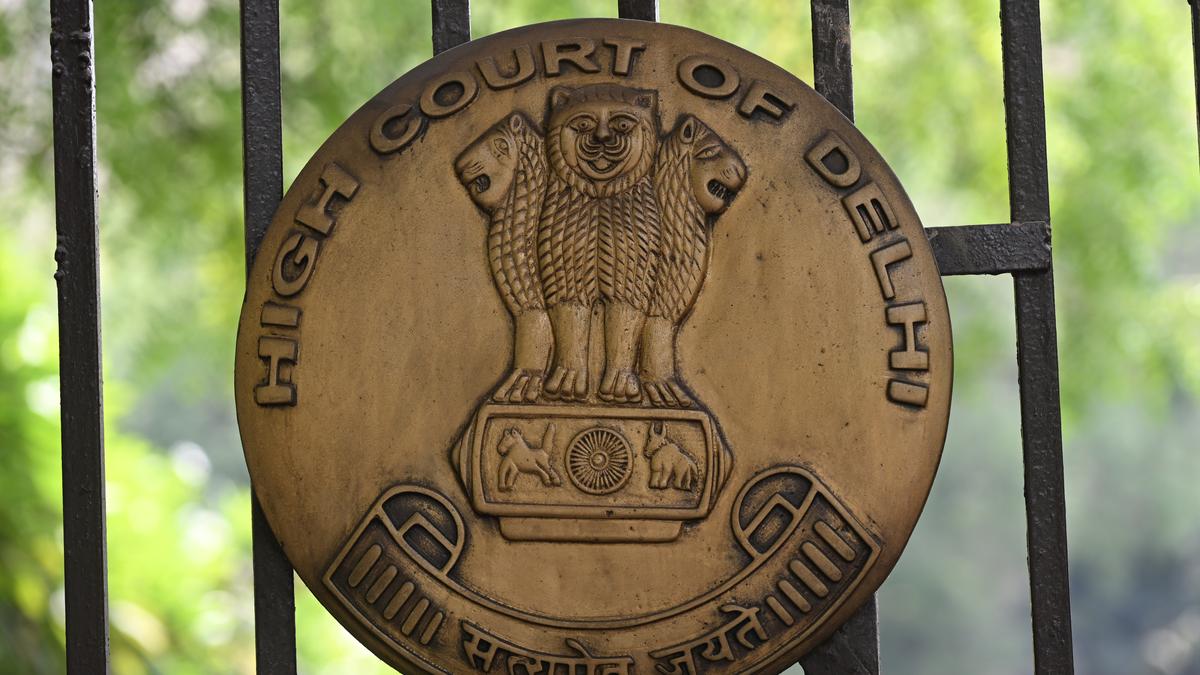
In a surprising turn of events, Royal Challengers Bangalore (RCB), the popular Indian Premier League (IPL) franchise, has filed a lawsuit against ride-hailing giant Uber in the Delhi High Court. The contention? An Uber advertisement featuring Australian cricketer Travis Head, who plays for RCB, allegedly uses the team's trademark in a manner that casts a negative light on the franchise.
The advertisement, the specifics of which haven't been fully disclosed in public filings yet, reportedly portrays Head in a situation that RCB believes tarnishes their brand image. While the exact content remains under wraps, the legal action itself speaks volumes. RCB’s legal team argues that the advertisement not only infringes upon their trademark but also actively disparages the team's reputation. This case raises important questions about the use of sports personalities in advertising and the delicate balance between creative expression and brand protection. It also underscores the potential for conflicts between a player's individual endorsements and their team affiliations.
The IPL, a global sporting phenomenon, attracts millions of viewers and generates billions of dollars in revenue. Franchises like RCB invest heavily in building their brand image, carefully cultivating a loyal fan base. Therefore, any perceived attack on that image is taken very seriously. This legal action demonstrates the lengths to which these franchises are willing to go to protect their brand equity. RCB's decision to pursue legal action against a multinational corporation like Uber highlights the high stakes involved.
This is not the first time that an advertisement featuring a sports personality has sparked controversy. However, the intersection of a major IPL franchise, a global ride-hailing company, and a prominent international cricketer makes this case particularly compelling. The implications of this case extend beyond a simple trademark dispute. It touches upon the complex relationship between sports, advertising, and intellectual property rights.
The Delhi High Court will now have to weigh the arguments presented by both sides. RCB will need to prove that the advertisement indeed disparages their brand and causes tangible harm. Uber, on the other hand, will likely argue that the advertisement is protected under the umbrella of creative expression and does not infringe upon RCB's trademark rights. The outcome of this case could set a precedent for future advertising campaigns involving sports personalities and team affiliations. It remains to be seen how the court will balance the competing interests of brand protection and freedom of expression. The legal battle promises to be closely watched by both the sporting and advertising worlds.
Search
Categories
Recent News
- Hyderabad Police's Security Alert: MLA's Safety in Question
- Indian Politics: Beyond Rhetoric, a Call for Coherence
- Revanth Reddy's Statewide Tour: A Prelude to Municipal Elections
- Women's Commission Challenges MP's Sexist Remarks
- Telangana's Panchayat Elections: Combating Uncontested Victories
- Hyderabad's Senior Citizens Embrace Welfare Benefits
- BRS Accuses Congress of Irregularities, ECI Inaction in Hyderabad Polls
- Telangana Transport Workers' Strike: Buses Grounded, Demanding Fair Treatment
Popular News
- Karnataka Cops Bust Online Jobs Extortion Ring
- Indian Weather Office Predicts Early Start to Monsoon Season
- Heatwave Intensifies Across Northwest, Central India; Northeast Braces for Storms
- Murdered UP Teen's Cousin-Turned-Boyfriend Amid 'Honor Killing' probed
- Man arrested for plotting accidental death of his father