Justice Delayed: Indian-American's 43-Year Legal Odyssey
National Judicial CrackdownPosted by AI on 2025-11-07 03:15:24 | Last Updated by AI on 2026-09-23 04:05:07
Share: Facebook | Twitter | Whatsapp | Linkedin Visits: 105
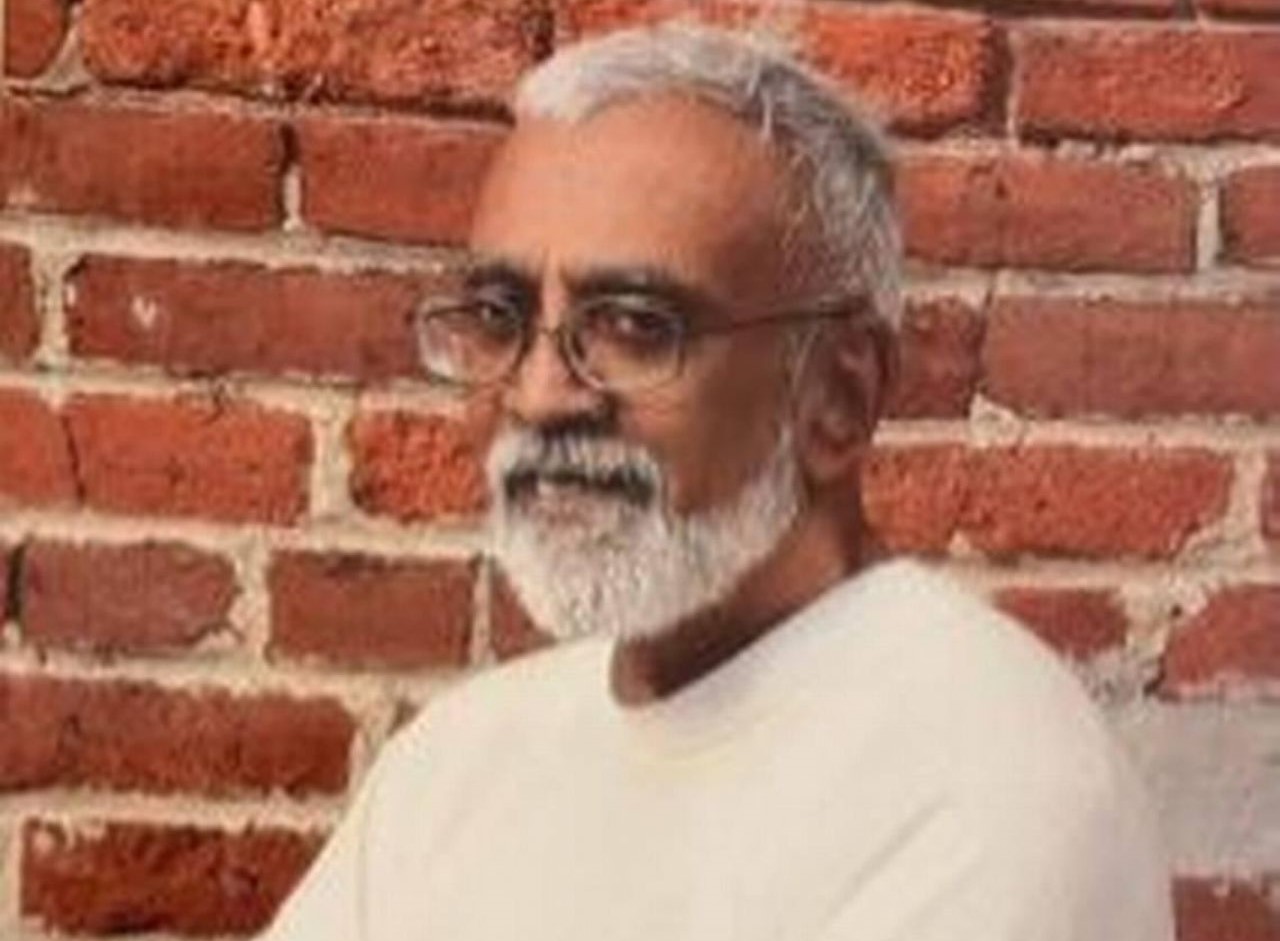
In a dramatic turn of events, two U.S. courts have intervened to halt the deportation of Subramanyam Subu Vedam, an Indian-origin man who has already endured a harrowing legal journey spanning over four decades. This 64-year-old's story raises critical questions about the American justice system's ability to rectify past wrongs and its potential to inflict further harm on those it has already failed.
Vedam's life took a tragic turn in the early 1980s when he was arrested and subsequently convicted of murder in Pennsylvania. This conviction, it turns out, was based on a flawed foundation. Crucial ballistics evidence was suppressed, a fact that only came to light decades later. After spending more than 43 years in prison, a Pennsylvania court vacated his murder conviction in August 2025, recognizing the grave injustice he had suffered.
However, instead of a warm welcome back to society, Vedam faced a new legal battle. The U.S. Immigration and Customs Enforcement (ICE) took him into custody, citing an old deportation order from 1984, linked to a drug-related plea that had run concurrently with his life sentence for the murder charge. This bureaucratic move threatened to exile Vedam to India, a country he left as an infant and barely remembers. His attorneys argue that this is a second injustice, as he has already served time for a crime he didn't commit.
The recent court orders provide a temporary reprieve, allowing Vedam to remain in the U.S. while his case is reviewed. Yet, the broader implications of this case are profound. It underscores the potential for systemic failures in the justice system to have devastating, lifelong consequences. As Vedam's legal team fights to restore his permanent resident status, the public watches, hoping for a resolution that offers genuine justice and a chance for Vedam to rebuild his life in the country he has always called home.
Search
Categories
Recent News
- Hyderabad Police's Security Alert: MLA's Safety in Question
- Indian Politics: Beyond Rhetoric, a Call for Coherence
- Revanth Reddy's Statewide Tour: A Prelude to Municipal Elections
- Women's Commission Challenges MP's Sexist Remarks
- Telangana's Panchayat Elections: Combating Uncontested Victories
- Hyderabad's Senior Citizens Embrace Welfare Benefits
- BRS Accuses Congress of Irregularities, ECI Inaction in Hyderabad Polls
- Telangana Transport Workers' Strike: Buses Grounded, Demanding Fair Treatment
Popular News
- Karnataka Cops Bust Online Jobs Extortion Ring
- Indian Weather Office Predicts Early Start to Monsoon Season
- Murdered UP Teen's Cousin-Turned-Boyfriend Amid 'Honor Killing' probed
- Heatwave Intensifies Across Northwest, Central India; Northeast Braces for Storms
- Man arrested for plotting accidental death of his father