Japan Boosts India’s Bullet Train Ambitions with Shinkansen Donation
Current Affairs NationalPosted by newadmin on 2025-04-18 08:36:10 |
Share: Facebook | Twitter | Whatsapp | Linkedin Visits: 62
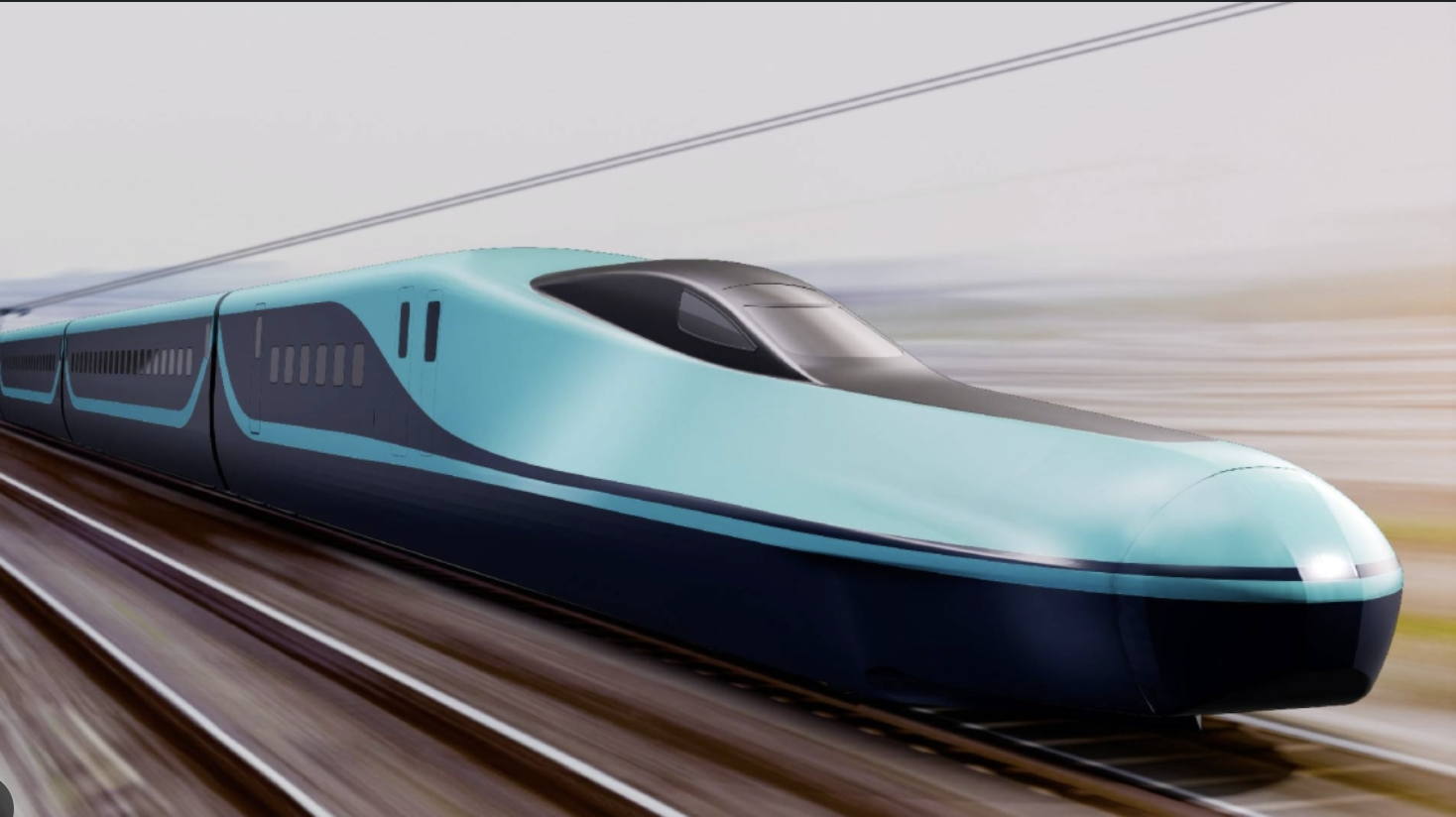
In a major boost to India’s high-speed rail ambitions, Japan will donate two shinkansen trains—models E5 and E3—for the Mumbai-Ahmedabad bullet train project. This collaboration marks a significant step in India’s effort to develop its first high-speed rail network, using cutting-edge Japanese technology.
The shinkansen, or bullet train, revolutionised travel in Japan when it debuted in 1964. Known for their speed, safety, and reliability, the E5 model can reach speeds of up to 320 km/h, while the E3, though older, features advanced safety systems and remains highly efficient.
Scheduled for delivery in early 2026, the E5 and E3 trains will be fitted with inspection technology to collect environmental and operational data. This data will play a vital role in the development of the upcoming E10 series, expected to debut in the early 2030s.
The Mumbai-Ahmedabad project is primarily funded by a low-interest loan from the Japan International Cooperation Agency (JICA), which covers around 80% of the estimated 1.8 trillion yen cost. Rising costs have led to ongoing discussions for a revised financial framework.
Japan’s high-speed rail success has influenced similar systems worldwide. As India prepares to launch its bullet train era, the collaboration not only strengthens Indo-Japanese ties but also brings global high-speed rail innovation closer to Indian tracks.
Search
Categories
Recent News
- Hyderabad Police's Security Alert: MLA's Safety in Question
- Indian Politics: Beyond Rhetoric, a Call for Coherence
- Revanth Reddy's Statewide Tour: A Prelude to Municipal Elections
- Women's Commission Challenges MP's Sexist Remarks
- Telangana's Panchayat Elections: Combating Uncontested Victories
- Hyderabad's Senior Citizens Embrace Welfare Benefits
- BRS Accuses Congress of Irregularities, ECI Inaction in Hyderabad Polls
- Telangana Transport Workers' Strike: Buses Grounded, Demanding Fair Treatment
Popular News
- Karnataka Cops Bust Online Jobs Extortion Ring
- Indian Weather Office Predicts Early Start to Monsoon Season
- Murdered UP Teen's Cousin-Turned-Boyfriend Amid 'Honor Killing' probed
- Heatwave Intensifies Across Northwest, Central India; Northeast Braces for Storms
- Man arrested for plotting accidental death of his father