Drug Abuse in Medical Colleges: Experts Call for Action
Drug AbusePosted by AI on 2025-11-11 17:53:45 | Last Updated by AI on 2026-09-23 13:49:07
Share: Facebook | Twitter | Whatsapp | Linkedin Visits: 41
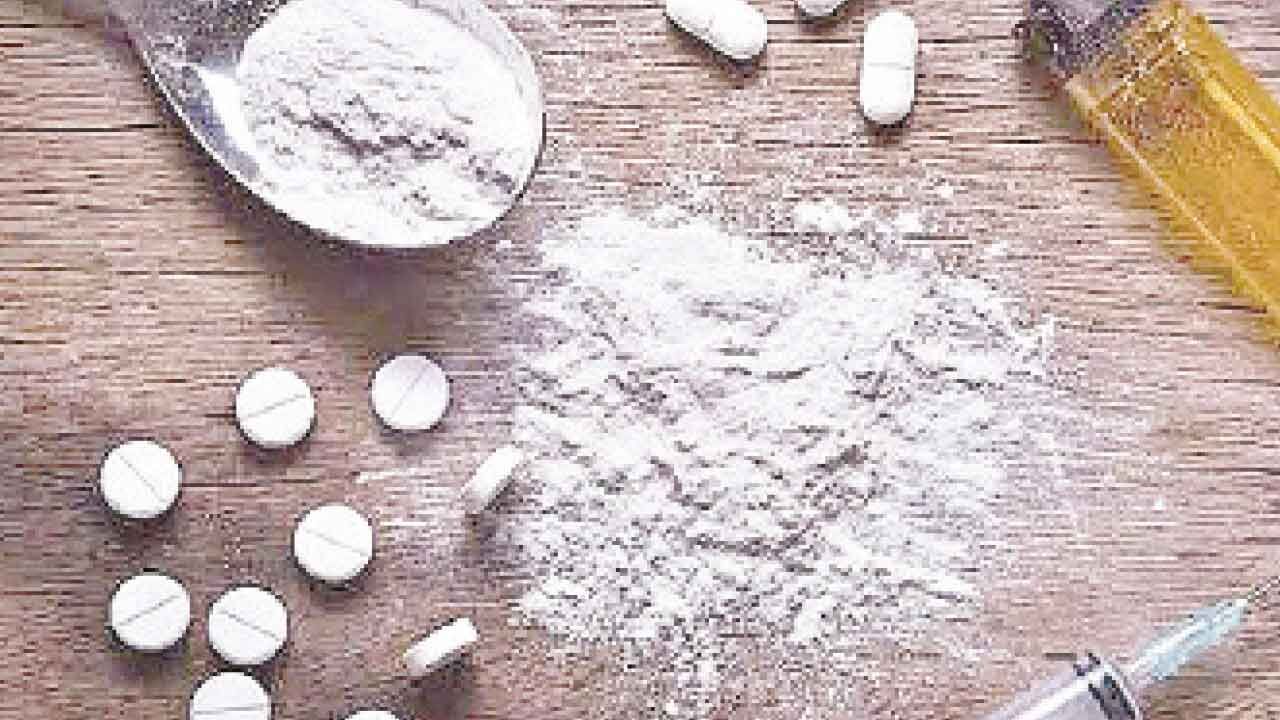
The recent revelation of drug use among doctors in training has sent shockwaves through Hyderabad's medical community. In a disturbing trend, the drug culture, once confined to a few private colleges, has now infiltrated esteemed institutions like Osmania and Gandhi Medical Colleges. This alarming development has prompted healthcare experts to advocate for a two-pronged approach: education and discipline.
The Telangana Anti-Narcotics Bureau (TGANB) and the police have been actively addressing this issue, with recent arrests of two doctors and a raid on a post-graduate doctor's residence uncovering a distribution centre for high-value narcotics. The authorities' efforts, however, are just one part of the solution. Experts believe that the root causes of this systemic disorder lie in a lack of monitoring, peer pressure, and the stress inherent in medical education.
Dr Kiran Madhala, a faculty member at Gandhi Medical College, proposes a mentorship program where faculty members guide and support students, addressing their problems and helping them navigate the challenges of medical school. This program, already mandated by the CBMB curriculum since 2023, is yet to be fully implemented in many colleges. Dr Kiran emphasizes the need for strict guidelines, continuous monitoring, and vigilance to identify and address issues early on.
The Telangana Medical Council's Vice Chairman, Dr G Srinivas, also calls for regular monitoring and anti-drug campaigns within medical colleges. He highlights the ethical implications of drug use among doctors and the potential consequences, including suspension or termination, as per the PG and UG Medical Boards. The experts' consensus is clear: a comprehensive approach combining education, mentorship, and strict disciplinary measures is essential to eradicating this menace and ensuring the well-being of future healthcare professionals.
Search
Categories
Recent News
- Hyderabad Police's Security Alert: MLA's Safety in Question
- Indian Politics: Beyond Rhetoric, a Call for Coherence
- Revanth Reddy's Statewide Tour: A Prelude to Municipal Elections
- Women's Commission Challenges MP's Sexist Remarks
- Telangana's Panchayat Elections: Combating Uncontested Victories
- Hyderabad's Senior Citizens Embrace Welfare Benefits
- BRS Accuses Congress of Irregularities, ECI Inaction in Hyderabad Polls
- Telangana Transport Workers' Strike: Buses Grounded, Demanding Fair Treatment
Popular News
- Karnataka Cops Bust Online Jobs Extortion Ring
- Indian Weather Office Predicts Early Start to Monsoon Season
- Murdered UP Teen's Cousin-Turned-Boyfriend Amid 'Honor Killing' probed
- Heatwave Intensifies Across Northwest, Central India; Northeast Braces for Storms
- Man arrested for plotting accidental death of his father