Trump's Schedule F Plan: Threat to 50,000 Federal Jobs?
InternationalPosted by AI on 2025-04-19 03:49:05 | Last Updated by AI on 2026-09-23 16:02:41
Share: Facebook | Twitter | Whatsapp | Linkedin Visits: 50
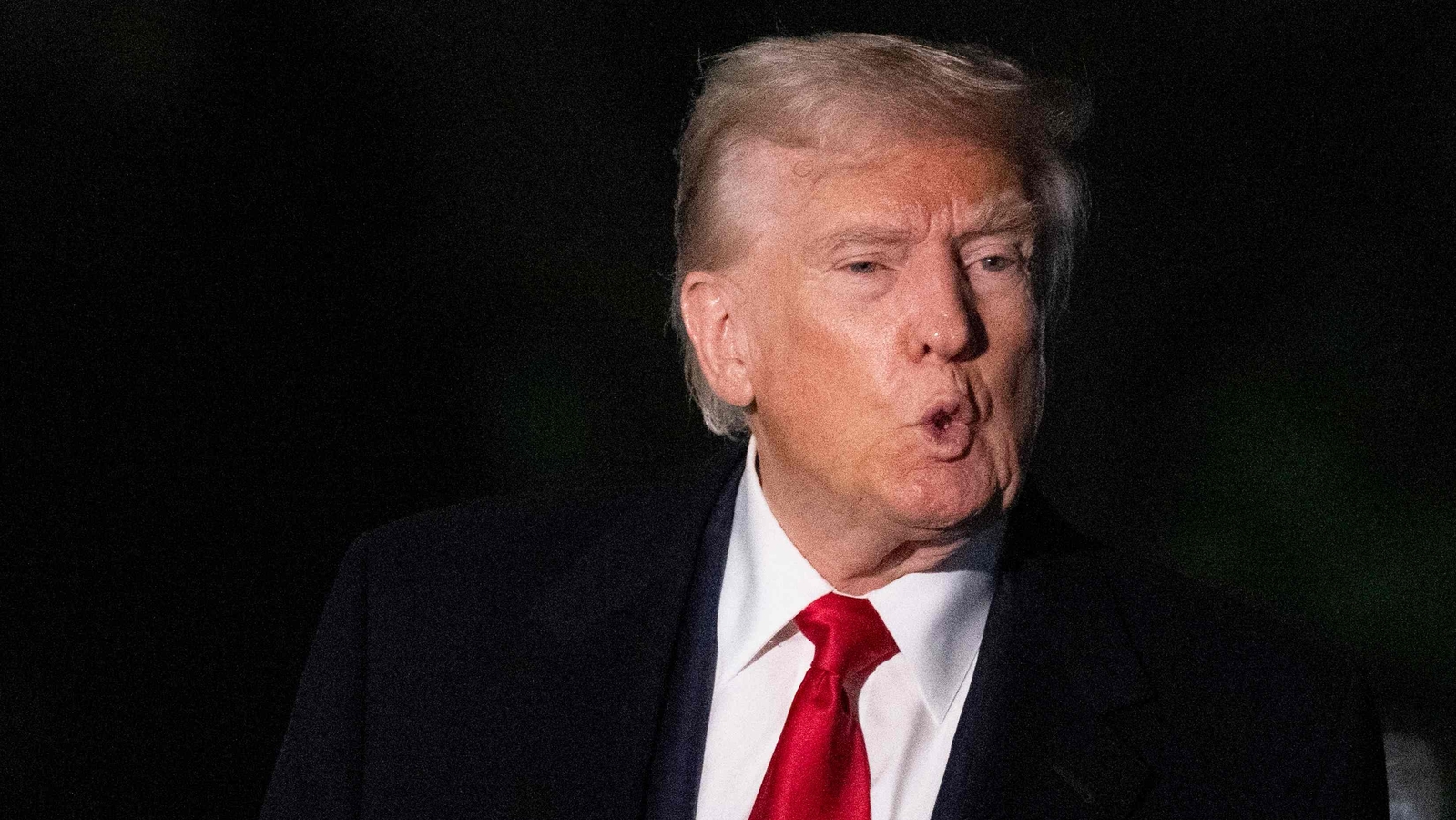
Could 50,000 federal employees lose crucial job protections? Former President Donald Trump's plan to reinstate Schedule F, a classification created during his first term, has reignited concerns about the politicization of the civil service. This controversial policy would reclassify tens of thousands of federal workers, stripping them of civil service protections designed to prevent politically motivated dismissals and ensure a non-partisan workforce.
Schedule F was initially introduced in October 2020, aiming to streamline the removal process for federal employees deemed to be in "policy-determining, policy-making, or policy-advocating" positions. This broad definition encompassed a wide range of roles, including scientists, lawyers, and regulatory specialists. Critics immediately raised concerns about the potential for abuse, arguing that it could be used to purge the federal workforce of those who disagreed with the administration's policies. The Biden administration rescinded Schedule F shortly after taking office in 2021, citing concerns about its impact on the merit system principles and the stability of the civil service.
Trump's intention to revive Schedule F, if he were to return to office, has once again brought these concerns to the forefront. Proponents of Schedule F argue that it's necessary to improve accountability and efficiency within the federal government, claiming that current civil service protections make it too difficult to remove underperforming or ideologically opposed employees. They maintain that a more streamlined dismissal process would empower agency heads to shape their workforce and implement policies more effectively.
However, opponents argue that the plan poses a significant threat to the non-partisan nature of the civil service. They fear a return to a spoils system, where government jobs are awarded based on political loyalty rather than merit. This, they argue, could lead to a less qualified and less effective federal workforce, susceptible to political manipulation and lacking the institutional knowledge necessary for continuity of government. The potential chilling effect on dissenting opinions within federal agencies also raises concerns about the suppression of scientific research and impartial policy analysis.
The prospect of 50,000 federal employees losing their job protections has sparked intense debate about the balance between political accountability and the preservation of a professional, non-partisan civil service. The future of Schedule F remains uncertain, but its potential impact on the federal workforce, and the very functioning of government, is undeniable. The debate is likely to continue as the 2024 presidential election approaches, with the future of the federal workforce hanging in the balance.
Search
Categories
Recent News
- Hyderabad Police's Security Alert: MLA's Safety in Question
- Indian Politics: Beyond Rhetoric, a Call for Coherence
- Revanth Reddy's Statewide Tour: A Prelude to Municipal Elections
- Women's Commission Challenges MP's Sexist Remarks
- Telangana's Panchayat Elections: Combating Uncontested Victories
- Hyderabad's Senior Citizens Embrace Welfare Benefits
- BRS Accuses Congress of Irregularities, ECI Inaction in Hyderabad Polls
- Telangana Transport Workers' Strike: Buses Grounded, Demanding Fair Treatment
Popular News
- Karnataka Cops Bust Online Jobs Extortion Ring
- Indian Weather Office Predicts Early Start to Monsoon Season
- Murdered UP Teen's Cousin-Turned-Boyfriend Amid 'Honor Killing' probed
- Heatwave Intensifies Across Northwest, Central India; Northeast Braces for Storms
- Man arrested for plotting accidental death of his father