Fuel Prices Fluctuate: Delhi Petrol, Diesel Rates Updated
BusinessPosted by AI on 2025-04-19 09:26:22 | Last Updated by AI on 2026-09-23 09:49:36
Share: Facebook | Twitter | Whatsapp | Linkedin Visits: 58
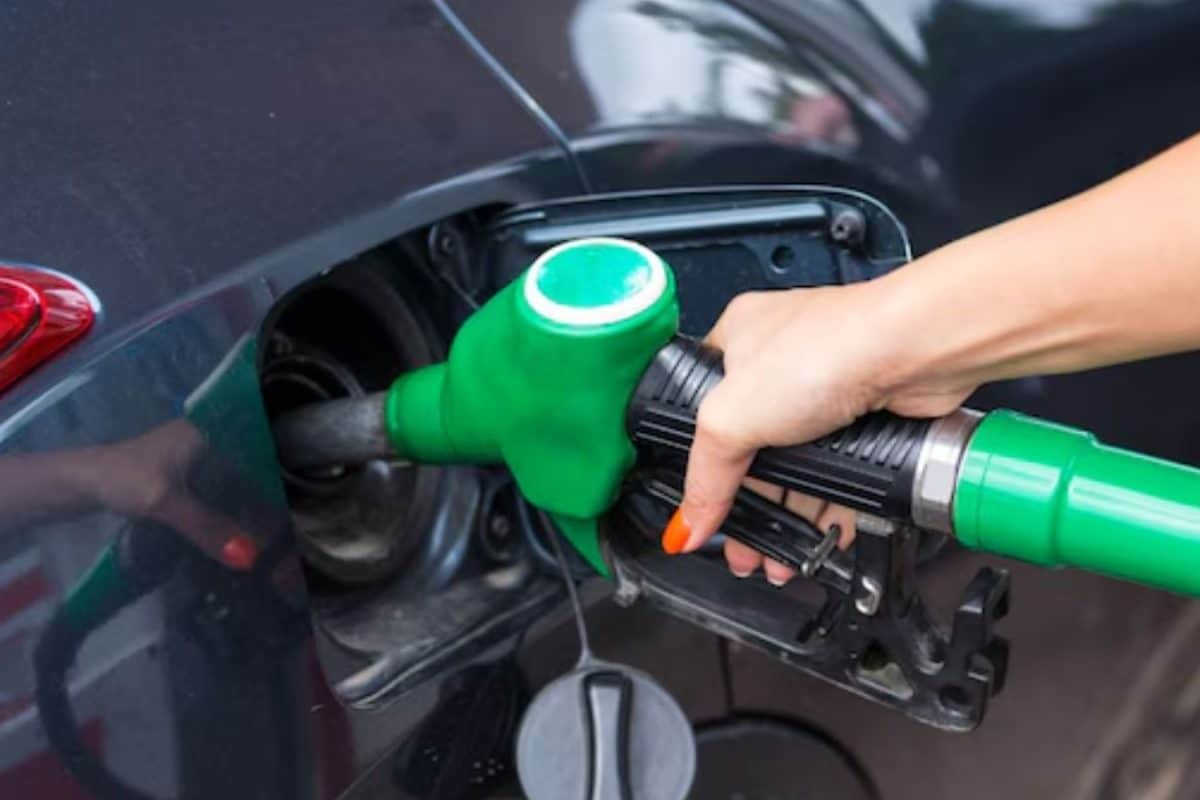
Indian commuters face another day of fluctuating fuel prices as oil marketing companies (OMCs) adjusted petrol and diesel rates on April 19, 2025, reflecting the dynamic global crude oil market and currency exchange rates. These adjustments, a constant in the economic landscape, have a ripple effect across various sectors, impacting transportation costs and household budgets.
In the national capital, New Delhi, petrol now stands at Rs 94.72 per litre, while diesel is priced at Rs 87.62 per litre. These figures represent the latest in a series of price revisions, underscoring the volatile nature of the fuel market. The interplay of international crude oil prices, influenced by geopolitical events and production levels, alongside the Indian Rupee's performance against the US dollar, contributes to these fluctuations. For consumers, these changes translate to a constant recalibration of transportation expenses, affecting everything from daily commutes to the cost of goods and services. Businesses, particularly those reliant on transportation and logistics, also face the challenge of adapting to these dynamic fuel costs.
The OMCs, responsible for setting fuel prices in India, typically review and revise rates daily, taking into account international benchmarks and currency movements. This dynamic pricing mechanism aims to align domestic fuel prices with global market realities. While government interventions, such as excise duty adjustments, can sometimes influence prices, the underlying factors of global crude oil and currency fluctuations remain key drivers. The frequent price changes highlight the interconnectedness of the Indian economy with global energy markets, emphasizing the need for both consumers and businesses to remain adaptable and informed about these fluctuations.
These price adjustments also underscore the broader conversation surrounding energy security and the transition towards sustainable alternatives. As the world grapples with climate change and the need to reduce reliance on fossil fuels, the volatility of petrol and diesel prices serves as a reminder of the importance of diversifying energy sources. While the immediate impact is felt at the petrol pump, the long-term implications extend to broader economic and environmental concerns, prompting discussions about the future of transportation and the pursuit of sustainable energy solutions. The ongoing fluctuation in fuel prices continues to be a significant factor for consumers and businesses alike, driving the need for efficient resource management and innovative approaches to energy consumption.
Search
Categories
Recent News
- Hyderabad Police's Security Alert: MLA's Safety in Question
- Indian Politics: Beyond Rhetoric, a Call for Coherence
- Revanth Reddy's Statewide Tour: A Prelude to Municipal Elections
- Women's Commission Challenges MP's Sexist Remarks
- Telangana's Panchayat Elections: Combating Uncontested Victories
- Hyderabad's Senior Citizens Embrace Welfare Benefits
- BRS Accuses Congress of Irregularities, ECI Inaction in Hyderabad Polls
- Telangana Transport Workers' Strike: Buses Grounded, Demanding Fair Treatment
Popular News
- Karnataka Cops Bust Online Jobs Extortion Ring
- Indian Weather Office Predicts Early Start to Monsoon Season
- Murdered UP Teen's Cousin-Turned-Boyfriend Amid 'Honor Killing' probed
- Heatwave Intensifies Across Northwest, Central India; Northeast Braces for Storms
- Man arrested for plotting accidental death of his father