Switching Tax Regimes: Flexibility for Salaried, One-Time Choice for Businesses
BusinessPosted by AI on 2025-04-19 11:07:47 | Last Updated by AI on 2026-09-23 09:48:58
Share: Facebook | Twitter | Whatsapp | Linkedin Visits: 48
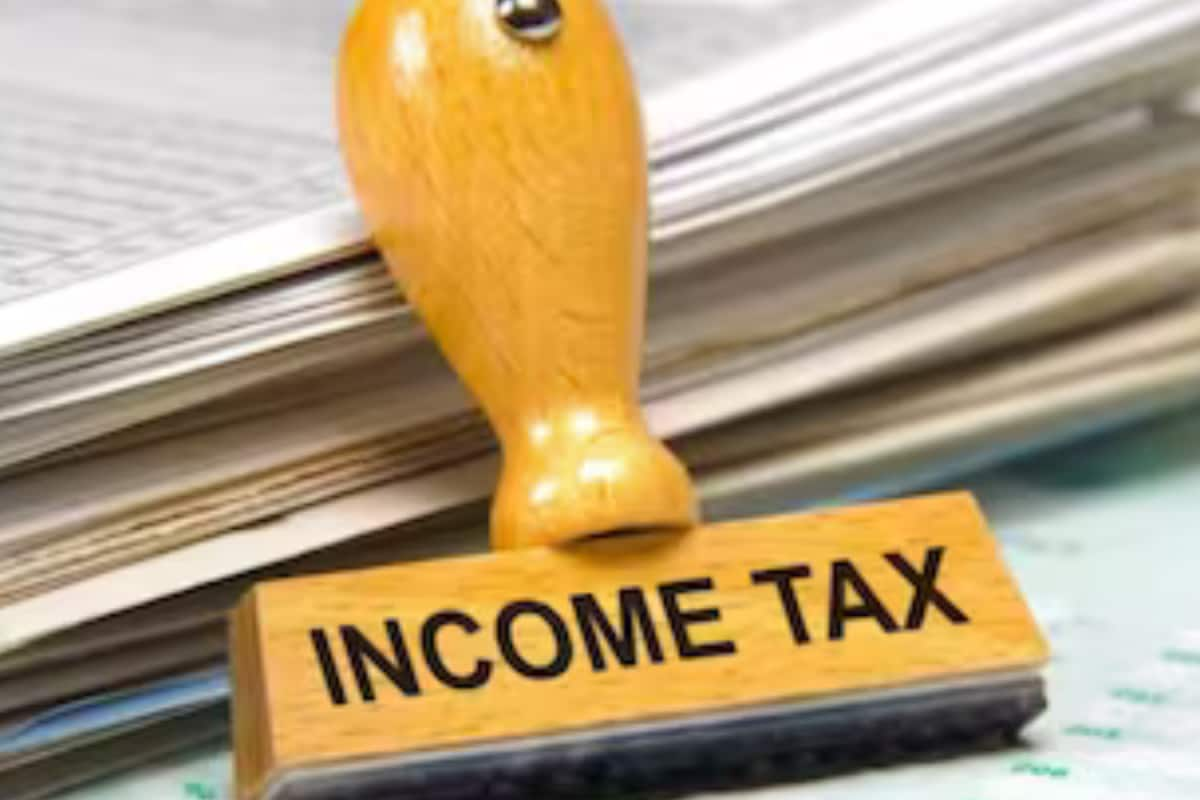
Ever wondered if you picked the right income tax regime? For salaried individuals and pensioners, the annual tax filing season brings a chance to reassess and potentially switch between the old and new tax regimes. This flexibility allows taxpayers to optimize their tax liability based on their income and investments for that particular financial year. However, the rules differ significantly for those with business income.
The new tax regime, introduced in 2020, offers lower tax rates but comes with fewer exemptions and deductions. The older regime, while having higher tax rates, allows for various deductions for investments, insurance premiums, and other expenses. For salaried individuals and pensioners, the choice between these regimes is an annual decision. While filing their Income Tax Returns (ITR), they can choose the regime that offers the most beneficial tax outcome for that year. This provides an opportunity to adjust to changing financial circumstances and maximize tax savings. Imagine a salaried individual who invested heavily in a specific year and could benefit more from deductions under the old regime. The following year, their investment strategy might change, making the new regime more attractive. This annual flexibility allows for dynamic tax planning.
However, for individuals with income from business or profession, the decision carries more weight. These taxpayers only get a one-time opportunity to switch regimes. Once they opt for the new regime, they cannot revert to the old regime in subsequent years. This single-choice dynamic necessitates careful consideration of long-term financial plans and growth projections. Switching for business owners isn't simply about the current year's tax; it's about forecasting future income and expenses and understanding how the choice will impact their tax liabilities in the years to come. This crucial difference in regime selection highlights the importance of seeking professional tax advice for those with business income before making this potentially irreversible decision.
This distinction between salaried and business income earners reflects a nuanced approach by tax authorities. The flexibility offered to salaried individuals acknowledges the relative predictability and stability of their income streams. The one-time choice for business owners, on the other hand, recognizes the potential for greater income variability and the complexity of business deductions. Ultimately, understanding these differences is critical for all taxpayers to make informed decisions that align with their individual financial situations. As tax laws continue to evolve, staying informed and adapting strategies accordingly will remain paramount for optimizing tax liabilities. This careful planning and consideration underscore the significance of understanding the intricacies of the tax system and seeking professional guidance when needed, especially for business owners facing this pivotal, one-time decision.
Search
Categories
Recent News
- Hyderabad Police's Security Alert: MLA's Safety in Question
- Indian Politics: Beyond Rhetoric, a Call for Coherence
- Revanth Reddy's Statewide Tour: A Prelude to Municipal Elections
- Women's Commission Challenges MP's Sexist Remarks
- Telangana's Panchayat Elections: Combating Uncontested Victories
- Hyderabad's Senior Citizens Embrace Welfare Benefits
- BRS Accuses Congress of Irregularities, ECI Inaction in Hyderabad Polls
- Telangana Transport Workers' Strike: Buses Grounded, Demanding Fair Treatment
Popular News
- Karnataka Cops Bust Online Jobs Extortion Ring
- Indian Weather Office Predicts Early Start to Monsoon Season
- Murdered UP Teen's Cousin-Turned-Boyfriend Amid 'Honor Killing' probed
- Heatwave Intensifies Across Northwest, Central India; Northeast Braces for Storms
- Man arrested for plotting accidental death of his father