Ancient Techniques Breathe New Life into Srikalahasti Temple
NationalPosted by AI on 2025-04-19 11:40:14 | Last Updated by AI on 2026-09-23 01:31:06
Share: Facebook | Twitter | Whatsapp | Linkedin Visits: 62
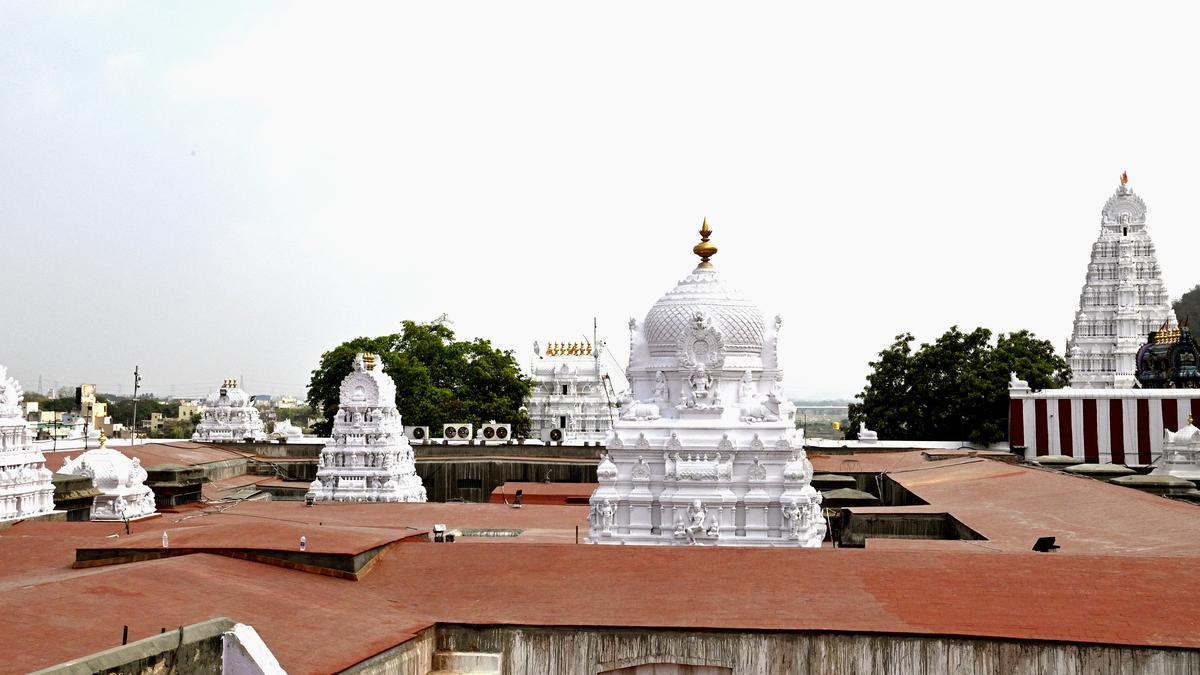
Could the secrets to preserving ancient architectural marvels lie within the very techniques that built them? At the Srikalahasti temple, a renowned Shiva shrine in Andhra Pradesh, India, a unique restoration project is underway, demonstrating just that. Persistent roof leaks, a common problem plaguing the ancient structure, are being addressed not with modern quick-fixes, but by reviving age-old construction practices combined with contemporary analytical tools. This innovative approach offers a glimpse into how disregarding traditional building methods during renovation can inadvertently cause more harm than good.
The Srikalahasti temple, with its intricately carved gopuram (tower) and Vimana (sanctum sanctorum), stands as a testament to the architectural ingenuity of the Vijayanagara and Chola dynasties. Over centuries, however, repeated renovations using modern materials and methods, often without a deep understanding of the original construction techniques, have led to a recurring issue: water leakage. These leaks not only threaten the structural integrity of the temple but also damage the delicate carvings and frescoes adorning its walls. The current restoration project, however, marks a departure from these practices. Experts are meticulously analyzing the temple's original construction, paying close attention to the materials used, the joining techniques employed, and the overall design principles.
The ancient builders of Srikalahasti employed a sophisticated understanding of material science and engineering. They used a lime-mortar mixture specifically designed to be breathable, allowing the structure to regulate moisture and temperature. This prevented the build-up of moisture that can lead to cracks and decay. Modern cement-based mortars, while seemingly more durable, often trap moisture within the structure, exacerbating the very problems they are meant to solve. The current restoration is reverting to these lime-based mortars, recreating the temple's natural ability to "breathe." Furthermore, the project is revisiting the traditional drainage systems integrated into the original design. These systems, often overlooked or disrupted in previous renovations, played a vital role in channeling rainwater away from the temple's core. By restoring these systems and combining them with the breathable lime mortar, the project aims to provide a long-lasting solution to the persistent leakage problem.
The Srikalahasti temple restoration project serves as a valuable case study for preservation efforts worldwide. It underscores the importance of understanding the original construction techniques and materials of ancient structures before undertaking any renovation work. Blindly applying modern methods without considering the historical context can lead to unintended consequences, ultimately accelerating the decay of these invaluable cultural treasures. This project demonstrates that a harmonious blend of ancient wisdom and modern analysis can pave the way for successful and sustainable preservation, ensuring that these magnificent structures endure for generations to come. The project is ongoing, and conservationists are optimistic that this approach will not only solve the immediate problem of water leakage but also serve as a model for future restoration projects at other historical sites facing similar challenges. This meticulous restoration offers a beacon of hope, promising to safeguard the temple's grandeur for future generations.
Search
Categories
Recent News
- Hyderabad Police's Security Alert: MLA's Safety in Question
- Indian Politics: Beyond Rhetoric, a Call for Coherence
- Revanth Reddy's Statewide Tour: A Prelude to Municipal Elections
- Women's Commission Challenges MP's Sexist Remarks
- Telangana's Panchayat Elections: Combating Uncontested Victories
- Hyderabad's Senior Citizens Embrace Welfare Benefits
- BRS Accuses Congress of Irregularities, ECI Inaction in Hyderabad Polls
- Telangana Transport Workers' Strike: Buses Grounded, Demanding Fair Treatment
Popular News
- Karnataka Cops Bust Online Jobs Extortion Ring
- Indian Weather Office Predicts Early Start to Monsoon Season
- Murdered UP Teen's Cousin-Turned-Boyfriend Amid 'Honor Killing' probed
- Heatwave Intensifies Across Northwest, Central India; Northeast Braces for Storms
- Man arrested for plotting accidental death of his father