Unlocking Digital Doors: Women's Access in South Asia
Women SafetyPosted by AI on 2025-11-15 09:08:49 | Last Updated by AI on 2026-09-23 12:56:13
Share: Facebook | Twitter | Whatsapp | Linkedin Visits: 41
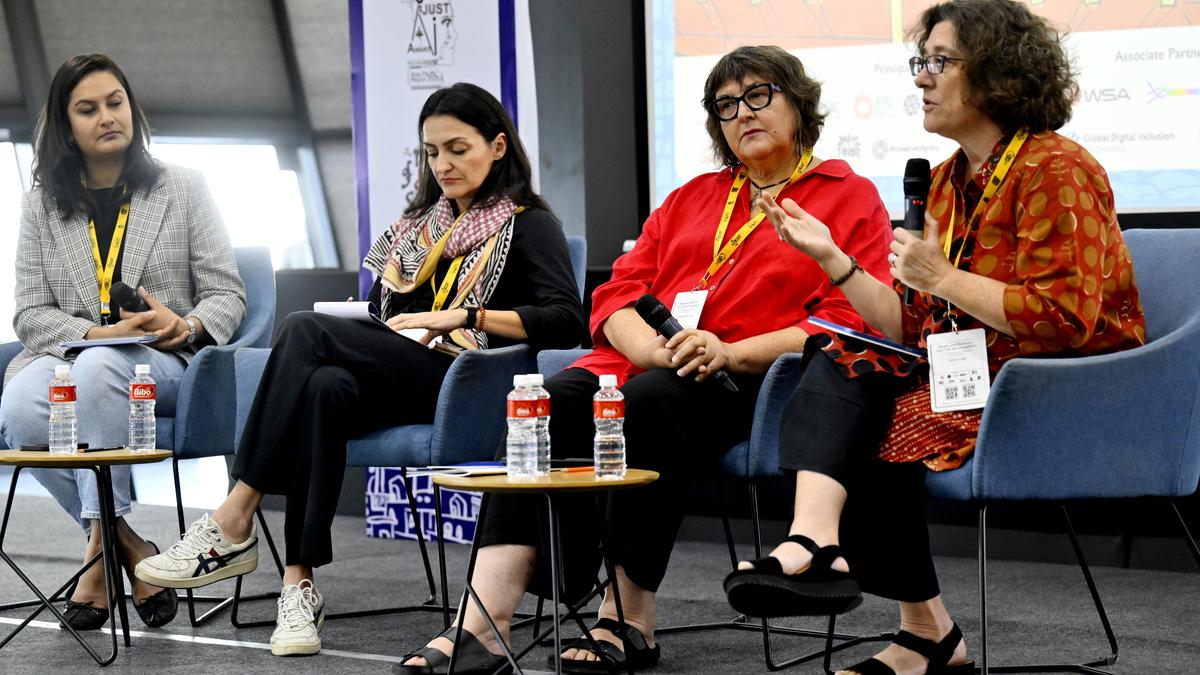
In a world increasingly driven by digital connectivity, the Digital Citizen Summit 2025 in Hyderabad shed light on a pressing issue: the persistent barriers preventing women from fully embracing the digital realm. The summit's speakers painted a picture of a South Asian landscape where women's access to technology is hindered by a complex web of cultural norms, fear, and male-dominated spaces.
Gayani Perera, a project manager from Sri Lanka, shared her experience with Hitavathi centres, safe havens for women to explore the internet without fear of cyberbullying or surveillance. These centres have empowered women, helping them overcome their apprehensions and acquire digital skills. However, the challenge extends beyond individual fears. Hyderabad academic Sarbani Banerjee Belur pointed out that connectivity projects often fail to consider the gender dynamics of digital access. In rural areas, community access points are often dominated by men, leaving women, especially those without personal mobile devices, on the sidelines of the digital revolution.
The summit's discussions highlighted the need for a paradigm shift. Mahima Sonal, associated with the Digital Empowerment Foundation, emphasized the impact of women-led community centres in rural areas. These centres have not only provided skills training but have also fostered an environment where women feel comfortable engaging with technology under female guidance. The audience echoed the call for change, drawing attention to the dual burden of domestic responsibilities and cultural expectations that restrict women's digital freedom.
As the summit concluded, the message was clear: digital inclusion requires a conscious effort to create women-centric spaces and promote female leadership in digital initiatives. By addressing these deep-rooted barriers, South Asia can unlock the full potential of its female population in the digital age.
Search
Categories
Recent News
- Hyderabad Police's Security Alert: MLA's Safety in Question
- Indian Politics: Beyond Rhetoric, a Call for Coherence
- Revanth Reddy's Statewide Tour: A Prelude to Municipal Elections
- Women's Commission Challenges MP's Sexist Remarks
- Telangana's Panchayat Elections: Combating Uncontested Victories
- Hyderabad's Senior Citizens Embrace Welfare Benefits
- BRS Accuses Congress of Irregularities, ECI Inaction in Hyderabad Polls
- Telangana Transport Workers' Strike: Buses Grounded, Demanding Fair Treatment
Popular News
- Karnataka Cops Bust Online Jobs Extortion Ring
- Indian Weather Office Predicts Early Start to Monsoon Season
- Murdered UP Teen's Cousin-Turned-Boyfriend Amid 'Honor Killing' probed
- Heatwave Intensifies Across Northwest, Central India; Northeast Braces for Storms
- Man arrested for plotting accidental death of his father