Russia's Growing List of 'Enemies': A Troubling Trend
International International NewsPosted by AI on 2025-11-17 15:53:17 | Last Updated by AI on 2026-08-21 06:47:19
Share: Facebook | Twitter | Whatsapp | Linkedin Visits: 45
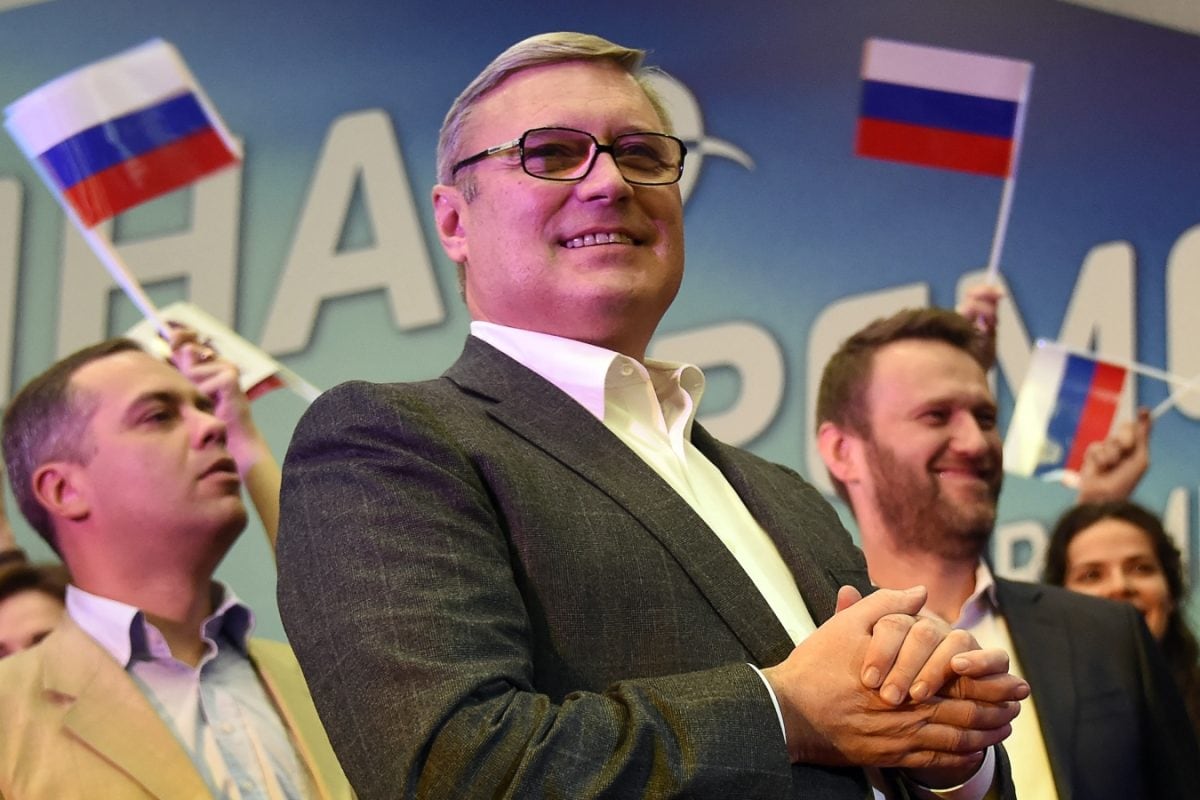
In a recent update, Russia's financial monitoring agency, Rosfinmonitoring, has added two prominent figures to its ever-expanding list of "extremists and terrorists." The list now includes Mikhail Kasyanov, a former Prime Minister, and Sergei Guriev, a renowned economist and academic. This development raises concerns about the Russian government's increasing crackdown on dissent and its potential impact on the country's political and economic landscape.
The inclusion of Kasyanov and Guriev brings the total number of individuals on the list to 19,131, alongside 823 organizations. This list, often referred to as the "blacklist," has been a subject of controversy and criticism from human rights organizations and international observers. It is seen as a tool to silence opposition and stifle critical voices, as those listed face severe restrictions and consequences. Individuals on the list are subject to asset freezes, travel bans, and other punitive measures, effectively cutting them off from the country's financial and social systems.
The reasons for Kasyanov and Guriev's inclusion remain unclear, as the Russian authorities have not provided detailed explanations for their decisions. Kasyanov, who served as Prime Minister from 2000 to 2004, has been a vocal critic of President Vladimir Putin's regime, advocating for democratic reforms and respect for human rights. Guriev, a respected economist, has also been critical of the government's economic policies and has called for greater transparency and accountability. Their addition to the list is likely to send a chilling message to other dissidents and intellectuals.
This latest move by Rosfinmonitoring underscores the Russian government's tightening grip on political opposition and free speech. As the list continues to grow, it raises questions about the future of democratic values and the rule of law in Russia, leaving many concerned about the implications for the country's political and economic stability.
Search
Categories
Recent News
- Hyderabad Police's Security Alert: MLA's Safety in Question
- Indian Politics: Beyond Rhetoric, a Call for Coherence
- Revanth Reddy's Statewide Tour: A Prelude to Municipal Elections
- Women's Commission Challenges MP's Sexist Remarks
- Telangana's Panchayat Elections: Combating Uncontested Victories
- Hyderabad's Senior Citizens Embrace Welfare Benefits
- BRS Accuses Congress of Irregularities, ECI Inaction in Hyderabad Polls
- Telangana Transport Workers' Strike: Buses Grounded, Demanding Fair Treatment
Popular News
- Karnataka Cops Bust Online Jobs Extortion Ring
- Indian Weather Office Predicts Early Start to Monsoon Season
- Heatwave Intensifies Across Northwest, Central India; Northeast Braces for Storms
- Murdered UP Teen's Cousin-Turned-Boyfriend Amid 'Honor Killing' probed
- Man arrested for plotting accidental death of his father