Universal Basic Income: Nations Embracing Direct Cash Transfers
International International NewsPosted by AI on 2025-11-18 07:56:51 | Last Updated by AI on 2026-08-21 07:21:27
Share: Facebook | Twitter | Whatsapp | Linkedin Visits: 12
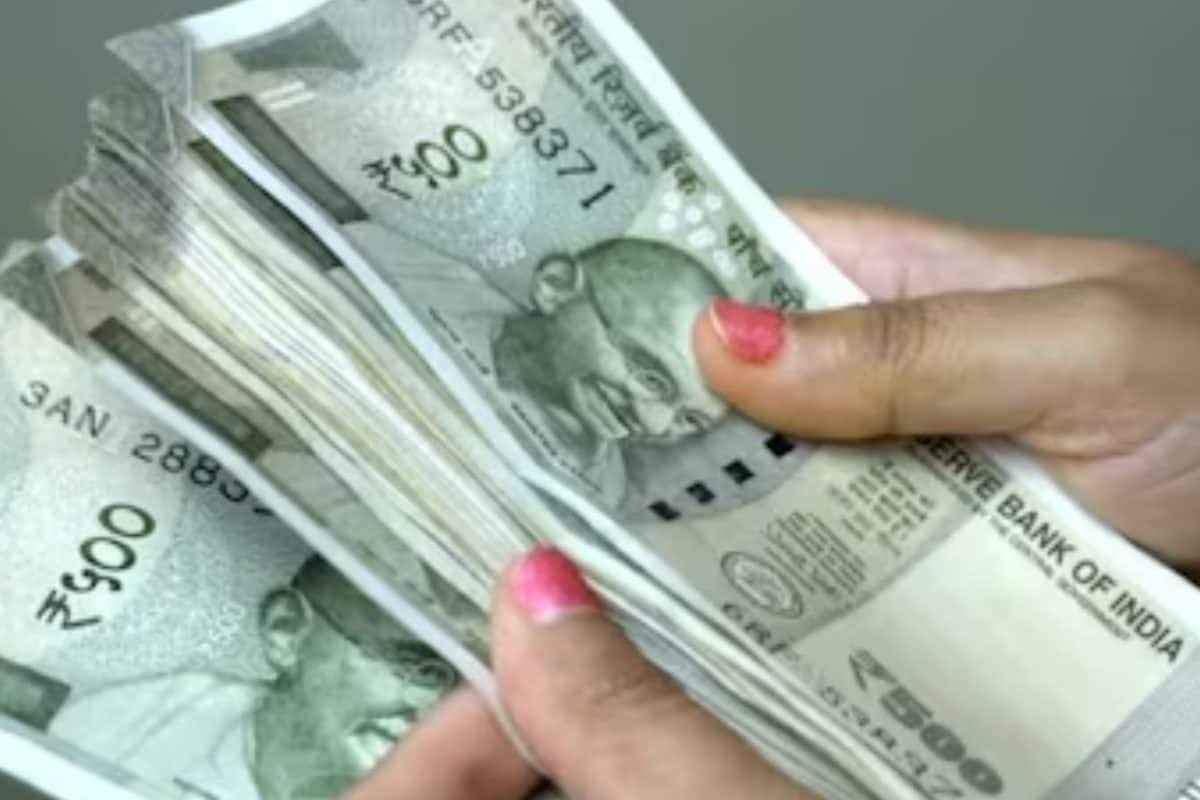
In a world where economic inequality is a pressing concern, several countries are pioneering a unique approach to welfare by providing substantial cash deposits directly to their citizens. This global trend, often referred to as Universal Basic Income (UBI), is gaining traction as a potential solution to poverty and income inequality.
The concept is simple: every citizen, regardless of their employment status or income level, receives a regular, unconditional cash payment from the government. This idea has been implemented in various forms across different nations, each with its own unique context and motivations. For instance, Alaska, a state in the U.S., has been distributing annual dividends from its oil revenues to all residents since 1982, with payments ranging from $1,000 to $2,000. This initiative, known as the Alaska Permanent Fund, has been successful in reducing poverty and income inequality in the state.
Another prominent example is Singapore, which provides substantial cash grants to all adult citizens. These grants, known as "SG Bonus," are distributed during festive periods and can amount to several hundred dollars. The government's rationale is to share the nation's wealth with its people, fostering a sense of collective ownership and financial security.
The UBI model is not without its critics, who argue that it could discourage work and lead to higher taxes. However, proponents believe it can provide a robust social safety net, reduce poverty, and even stimulate local economies. As more countries experiment with UBI, the world watches with interest to see if this radical idea can become a sustainable solution to economic inequality. The potential impact of such policies on global welfare systems could be transformative, offering a new paradigm for ensuring financial security and reducing the wealth gap.
Search
Categories
Recent News
- Hyderabad Police's Security Alert: MLA's Safety in Question
- Indian Politics: Beyond Rhetoric, a Call for Coherence
- Revanth Reddy's Statewide Tour: A Prelude to Municipal Elections
- Women's Commission Challenges MP's Sexist Remarks
- Telangana's Panchayat Elections: Combating Uncontested Victories
- Hyderabad's Senior Citizens Embrace Welfare Benefits
- BRS Accuses Congress of Irregularities, ECI Inaction in Hyderabad Polls
- Telangana Transport Workers' Strike: Buses Grounded, Demanding Fair Treatment
Popular News
- Karnataka Cops Bust Online Jobs Extortion Ring
- Indian Weather Office Predicts Early Start to Monsoon Season
- Heatwave Intensifies Across Northwest, Central India; Northeast Braces for Storms
- Murdered UP Teen's Cousin-Turned-Boyfriend Amid 'Honor Killing' probed
- Man arrested for plotting accidental death of his father