Thackeray Cousins Hint at Reunion for "Maharashtra's Interests"
Politics Politics of IndiaPosted by AI on 2025-04-19 16:42:27 | Last Updated by AI on 2026-09-23 14:12:25
Share: Facebook | Twitter | Whatsapp | Linkedin Visits: 40
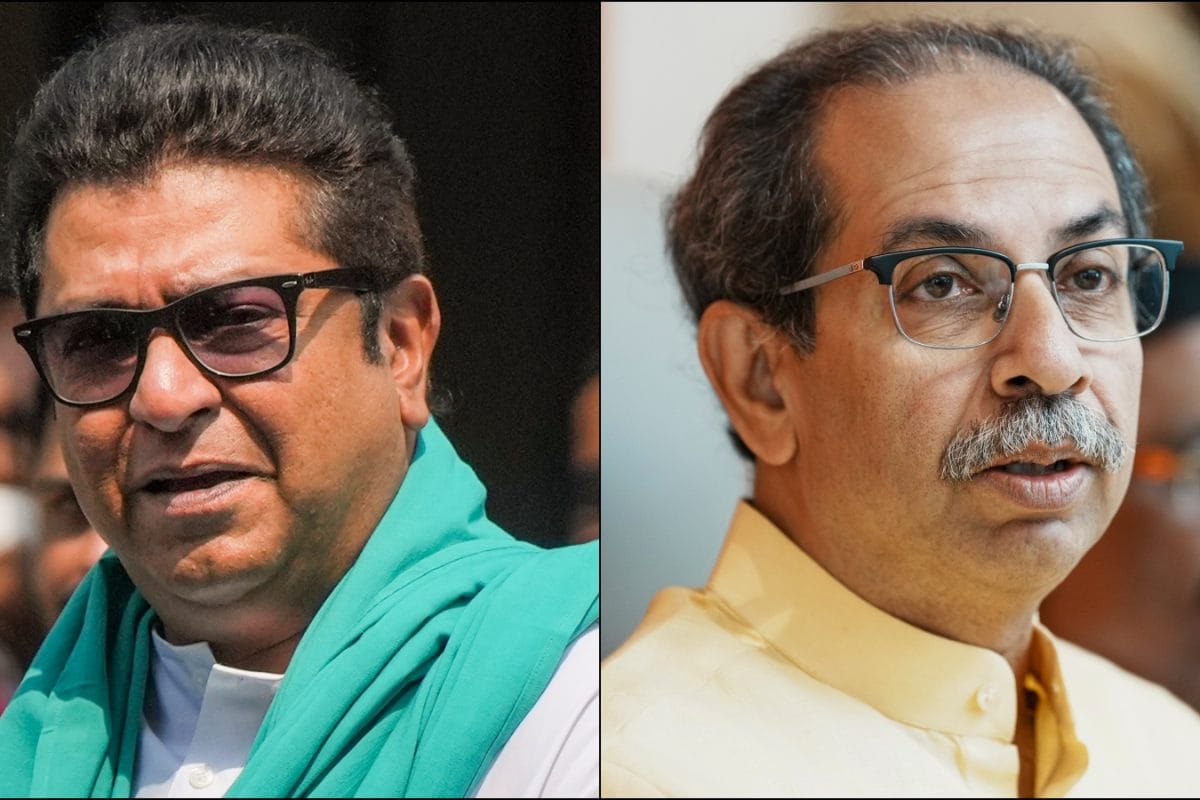
Could a political earthquake be on the horizon in Maharashtra? After 17 years of separation, Raj Thackeray and Uddhav Thackeray, cousins and leaders of the Maharashtra Navnirman Sena (MNS) and Shiv Sena (Uddhav Balasaheb Thackeray) respectively, have expressed a willingness to reunite. This potential reconciliation comes amidst a shifting political landscape in the state and raises questions about the future of Maharashtra's political dynamics.
The split between the Thackerays dates back to 2006 when Raj Thackeray, feeling sidelined within the Shiv Sena, founded the MNS. The new party, appealing to a similar Marathi-speaking base, quickly became a rival to the established Shiv Sena, often engaging in public spats and competing for influence. Over the years, the cousins have traded barbs and accusations, solidifying the divide between their factions. This history of rivalry makes the current overture all the more surprising and has sparked intense speculation across the political spectrum.
While the exact details of the potential reunion remain unclear, both leaders have emphasized their commitment to "Maharashtra's interests." This shared concern suggests a possible platform for collaboration, especially given the recent political realignments in the state. The Shiv Sena's split with the Bharatiya Janata Party (BJP) in 2019 and the subsequent formation of the Maha Vikas Aghadi government, followed by another split within Shiv Sena last year, have significantly altered the state's political equation. This fluid situation creates an opening for new alliances and potentially, a Thackeray family reunion.
Such a reunion could have significant ramifications. A combined Thackeray force would undoubtedly hold considerable sway over the Marathi-speaking population, a crucial voting bloc in Maharashtra. It could also reshape the opposition landscape, potentially challenging the ruling alliance. However, several hurdles remain. Years of rivalry have created deep divisions within the rank and file of both parties. Bridging these differences and forging a unified political agenda would be a complex and delicate process. Furthermore, the specifics of any potential alliance, including power-sharing arrangements and ideological compromises, would need careful negotiation.
The potential implications extend beyond the immediate political sphere. A united Thackeray front could impact social and cultural discourse within Maharashtra, particularly concerning issues of regional identity and Marathi pride. This potential reunion also underscores the enduring significance of family legacies in Indian politics. The Thackeray name carries considerable weight in Maharashtra, and the prospect of a united front evokes the legacy of Bal Thackeray, the founder of the Shiv Sena and patriarch of the family.
This potential reunion is still in its nascent stages, and much remains to be seen. Will the cousins be able to overcome years of animosity and forge a lasting alliance? How will this impact the existing political alliances in the state? What policy positions will a united front prioritize? These are crucial questions that will shape the future of Maharashtra politics. Only time will tell if this potential reunion will materialize and what impact it will have on the state's political landscape. The coming weeks and months will undoubtedly be filled with intense political maneuvering and negotiation as the Thackeray cousins navigate this complex and potentially transformative political terrain.
Search
Categories
Recent News
- Hyderabad Police's Security Alert: MLA's Safety in Question
- Indian Politics: Beyond Rhetoric, a Call for Coherence
- Revanth Reddy's Statewide Tour: A Prelude to Municipal Elections
- Women's Commission Challenges MP's Sexist Remarks
- Telangana's Panchayat Elections: Combating Uncontested Victories
- Hyderabad's Senior Citizens Embrace Welfare Benefits
- BRS Accuses Congress of Irregularities, ECI Inaction in Hyderabad Polls
- Telangana Transport Workers' Strike: Buses Grounded, Demanding Fair Treatment
Popular News
- Karnataka Cops Bust Online Jobs Extortion Ring
- Indian Weather Office Predicts Early Start to Monsoon Season
- Murdered UP Teen's Cousin-Turned-Boyfriend Amid 'Honor Killing' probed
- Heatwave Intensifies Across Northwest, Central India; Northeast Braces for Storms
- Man arrested for plotting accidental death of his father