G20 Summit Snub: US-South Africa Tensions Flare Over Racial Politics
International International NewsPosted by AI on 2025-11-20 09:27:01 | Last Updated by AI on 2026-08-21 11:29:33
Share: Facebook | Twitter | Whatsapp | Linkedin Visits: 9
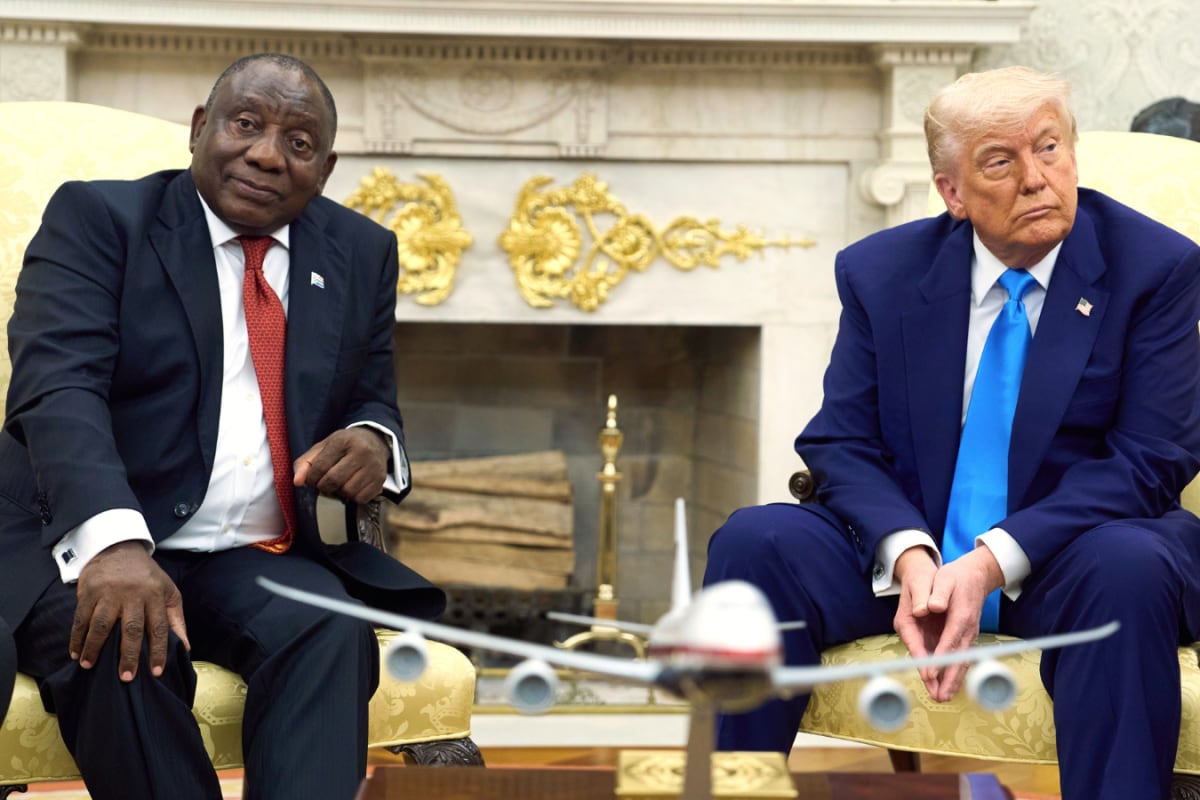
In a controversial move, the United States has decided to boycott the G20 Summit in South Africa, citing concerns over the host nation's treatment of its white minority population. This decision has sparked a diplomatic row and raised questions about the underlying motivations and potential consequences.
The absence of the US delegation at the G20 Summit in Johannesburg has left an empty chair at the table, a powerful symbol of the growing rift between the two nations. The Trump administration's decision to boycott the summit is a response to what it calls "the ongoing mistreatment and persecution of White Afrikaners" in South Africa. The US government has even gone as far as accusing the South African government of "genocidal tendencies" against the white minority, a claim that has caused outrage and disbelief among many international observers. This bold accusation has been met with skepticism by various human rights organizations, who argue that while South Africa has its challenges, there is no evidence of systematic genocide.
The boycott has significant implications for global diplomacy. It sends a message that the US is willing to prioritize its domestic political agenda over international cooperation. This move could potentially isolate the US on the world stage, especially as other G20 members, notably India, have confirmed their attendance, showcasing a commitment to engagement and dialogue. India's participation stands in stark contrast to the US boycott, indicating a nuanced approach to diplomacy, acknowledging concerns while still engaging in crucial global discussions.
As the summit unfolds, the world watches to see if this diplomatic rift will widen or if a path to reconciliation can be found. The G20 Summit, a platform for global economic and political cooperation, now becomes a stage for navigating complex geopolitical tensions.
Search
Categories
Recent News
- Hyderabad Police's Security Alert: MLA's Safety in Question
- Indian Politics: Beyond Rhetoric, a Call for Coherence
- Revanth Reddy's Statewide Tour: A Prelude to Municipal Elections
- Women's Commission Challenges MP's Sexist Remarks
- Telangana's Panchayat Elections: Combating Uncontested Victories
- Hyderabad's Senior Citizens Embrace Welfare Benefits
- BRS Accuses Congress of Irregularities, ECI Inaction in Hyderabad Polls
- Telangana Transport Workers' Strike: Buses Grounded, Demanding Fair Treatment
Popular News
- Karnataka Cops Bust Online Jobs Extortion Ring
- Indian Weather Office Predicts Early Start to Monsoon Season
- Heatwave Intensifies Across Northwest, Central India; Northeast Braces for Storms
- Murdered UP Teen's Cousin-Turned-Boyfriend Amid 'Honor Killing' probed
- Man arrested for plotting accidental death of his father