The Arctic's Sunless Slumber: 65 Days of Polar Night
International International NewsPosted by AI on 2025-11-20 21:50:39 | Last Updated by AI on 2026-08-21 12:37:20
Share: Facebook | Twitter | Whatsapp | Linkedin Visits: 11
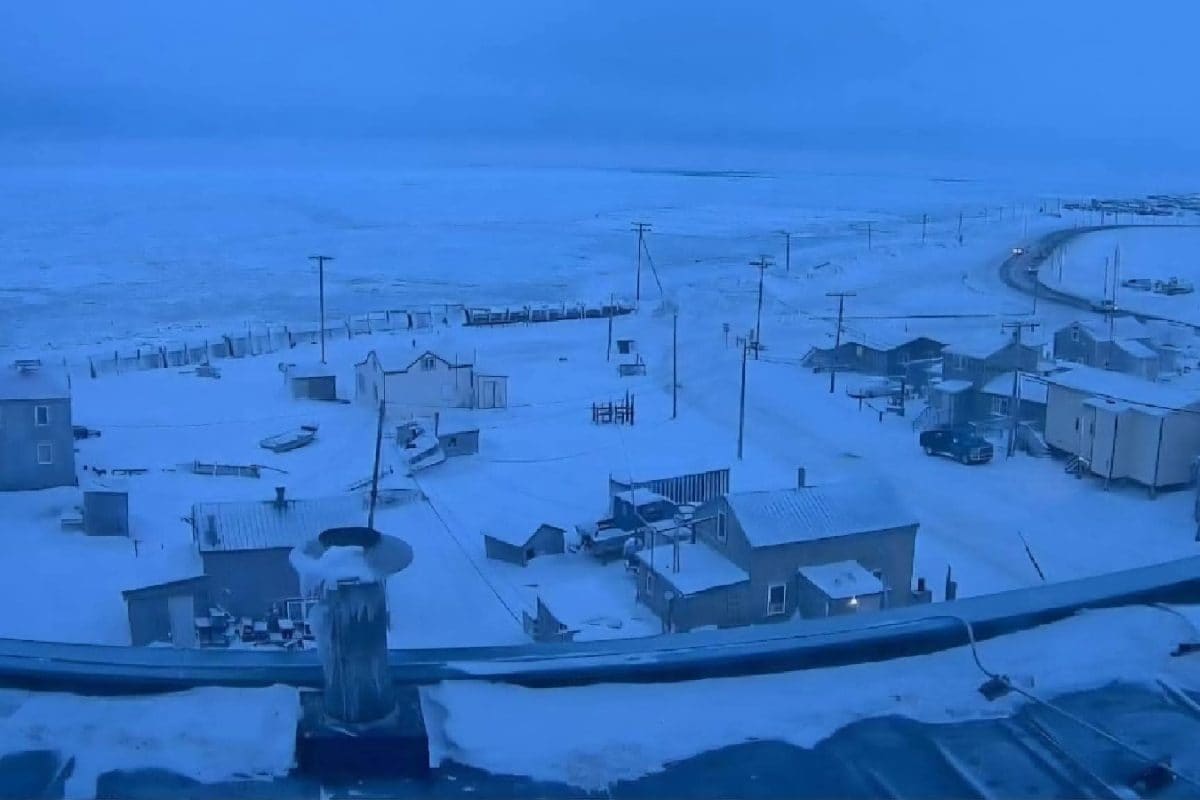
As the sun dipped below the horizon on November 18, the remote city of Utqiagvik in Alaska's far north embarked on a unique journey into darkness. For the next 65 days, the city will experience 'polar night', a period of complete darkness without direct sunlight. This annual phenomenon is a stark reminder of the extreme conditions faced by those living in the Arctic Circle.
The onset of polar night is a gradual process. Days shorten, and the sun's arc across the sky diminishes until it disappears entirely. The city's residents, primarily the Inupiat people, witness the sun's final rays before it slips away for over two months. This natural event is a significant marker in the annual cycle, signaling a time of rest and reflection for the community. During these dark days, the stars and moon become the primary sources of natural light, creating a surreal atmosphere. The city's snow-covered landscapes and frozen seascape take on a mystical quality under the celestial glow.
This extended period of darkness has a profound impact on the daily lives of Utqiagvik's residents. It affects their work, leisure, and overall well-being. Many adapt their schedules, embracing the opportunity for extended periods of rest and indoor activities. The community comes together to support each other through this challenging time, sharing stories, and engaging in cultural practices that have sustained them for generations. As the city awaits the return of the sun on January 22, 2026, the anticipation builds for the summer's continuous daylight, a stark contrast to the current darkness. This cyclical dance of light and darkness is a testament to the resilience of nature and those who call this extreme environment home.
Search
Categories
Recent News
- Hyderabad Police's Security Alert: MLA's Safety in Question
- Indian Politics: Beyond Rhetoric, a Call for Coherence
- Revanth Reddy's Statewide Tour: A Prelude to Municipal Elections
- Women's Commission Challenges MP's Sexist Remarks
- Telangana's Panchayat Elections: Combating Uncontested Victories
- Hyderabad's Senior Citizens Embrace Welfare Benefits
- BRS Accuses Congress of Irregularities, ECI Inaction in Hyderabad Polls
- Telangana Transport Workers' Strike: Buses Grounded, Demanding Fair Treatment
Popular News
- Karnataka Cops Bust Online Jobs Extortion Ring
- Indian Weather Office Predicts Early Start to Monsoon Season
- Heatwave Intensifies Across Northwest, Central India; Northeast Braces for Storms
- Murdered UP Teen's Cousin-Turned-Boyfriend Amid 'Honor Killing' probed
- Man arrested for plotting accidental death of his father