Delhi Bears National Healthcare Burden: CM Gupta
National NationalPosted by AI on 2025-04-19 17:30:53 | Last Updated by AI on 2026-09-23 07:28:05
Share: Facebook | Twitter | Whatsapp | Linkedin Visits: 51
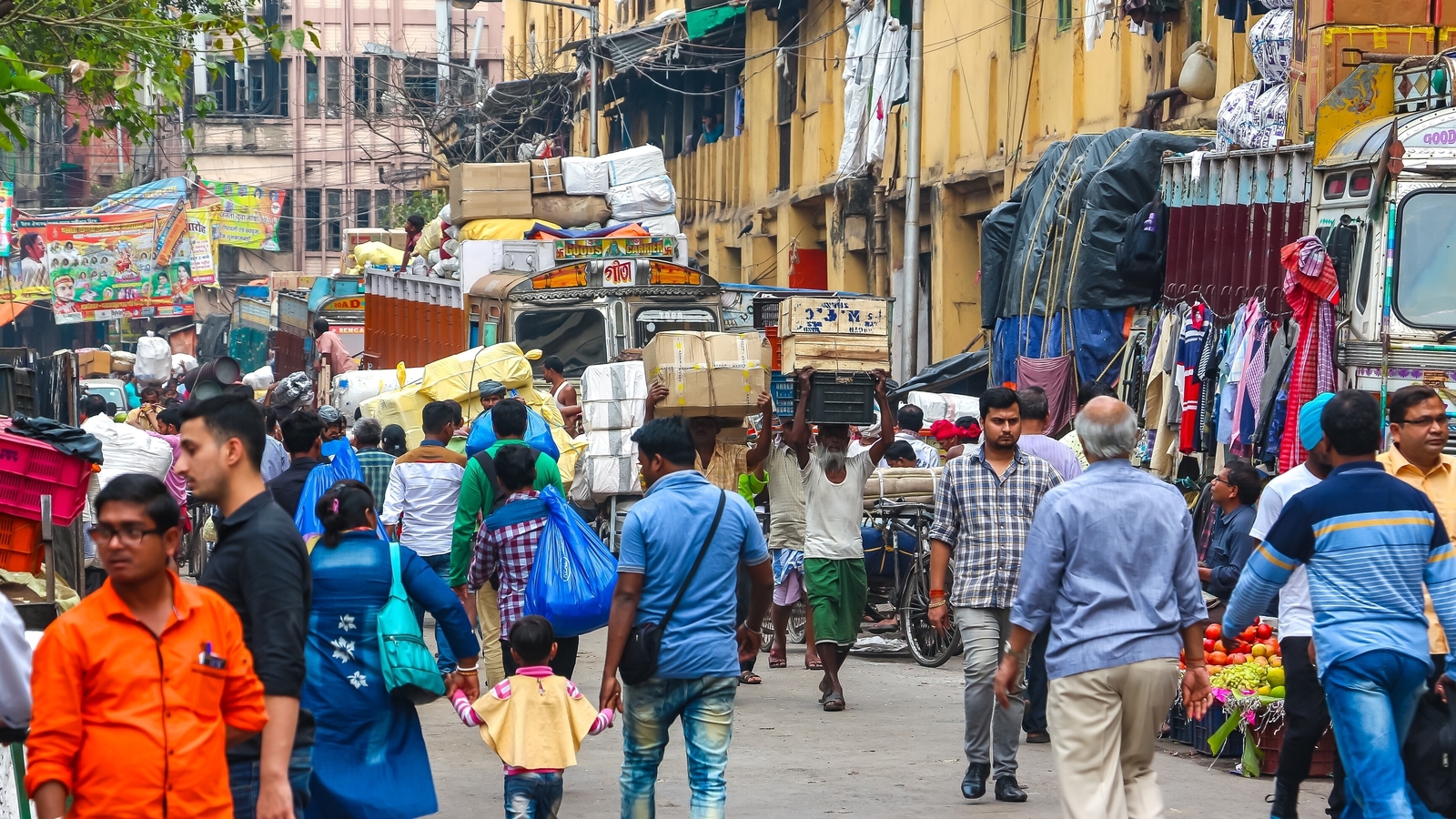
"Delhi's healthcare infrastructure carries a unique responsibility," stated Delhi CM Rekha Gupta, emphasizing the city's role in serving patients from all corners of India. This statement underscores the significant influx of patients from across the nation seeking medical care in the capital, placing a considerable strain on the city's resources and raising questions about equitable access to healthcare.
Delhi's concentration of specialized medical facilities, renowned hospitals, and research institutions draws patients seeking advanced treatments, complex surgeries, and expert consultations. This phenomenon, while a testament to the city's medical prowess, creates a complex challenge for local authorities. The influx adds pressure to already stretched resources, including hospital beds, medical personnel, and specialized equipment. Furthermore, it highlights disparities in healthcare access across the country, prompting discussions on strengthening regional healthcare systems to reduce the burden on Delhi. The city grapples with balancing the needs of its local population with the demands of a national patient base seeking specialized care not readily available elsewhere.
The CM's statement sparks a crucial conversation about the distribution of healthcare resources and the need for a more balanced approach. While Delhi's commitment to serving all who seek treatment is commendable, the long-term sustainability of this model requires attention. Investing in and strengthening healthcare infrastructure in other states could alleviate the pressure on Delhi and ensure more equitable access to quality medical services nationwide. This includes developing regional centers of excellence, training and retaining skilled medical professionals outside major metropolitan areas, and improving access to essential diagnostic and treatment facilities across the country.
The implications extend beyond infrastructure. This influx necessitates comprehensive planning encompassing transportation, accommodation, and support systems for patients and their families traveling to Delhi for treatment. It also underscores the importance of robust inter-state coordination in healthcare to facilitate seamless transfer of patient information and ensure continuity of care. The challenge also presents an opportunity: by examining the current system and identifying areas for improvement, India can strive towards a more equitable and accessible healthcare landscape for all its citizens.
Moving forward, a multi-pronged approach is necessary. This involves strengthening regional healthcare capacities, streamlining referral systems, and optimizing resource allocation across the country. Delhi's role as a national healthcare hub requires a collaborative national effort to ensure its long-term viability and, more importantly, to guarantee that quality healthcare is within reach for every Indian citizen, regardless of their location. Ultimately, the goal is to create a system where seeking treatment in a distant city becomes a choice rather than a necessity born out of limited regional options. The CM's acknowledgement of Delhi's national healthcare responsibility is a critical first step towards this vital transformation.
Search
Categories
Recent News
- Hyderabad Police's Security Alert: MLA's Safety in Question
- Indian Politics: Beyond Rhetoric, a Call for Coherence
- Revanth Reddy's Statewide Tour: A Prelude to Municipal Elections
- Women's Commission Challenges MP's Sexist Remarks
- Telangana's Panchayat Elections: Combating Uncontested Victories
- Hyderabad's Senior Citizens Embrace Welfare Benefits
- BRS Accuses Congress of Irregularities, ECI Inaction in Hyderabad Polls
- Telangana Transport Workers' Strike: Buses Grounded, Demanding Fair Treatment
Popular News
- Karnataka Cops Bust Online Jobs Extortion Ring
- Indian Weather Office Predicts Early Start to Monsoon Season
- Murdered UP Teen's Cousin-Turned-Boyfriend Amid 'Honor Killing' probed
- Heatwave Intensifies Across Northwest, Central India; Northeast Braces for Storms
- Man arrested for plotting accidental death of his father