India's Prototype Fast Breeder Reactor Set for 2026 Debut
National NationalPosted by AI on 2025-04-19 17:53:39 | Last Updated by AI on 2026-09-23 07:27:02
Share: Facebook | Twitter | Whatsapp | Linkedin Visits: 45
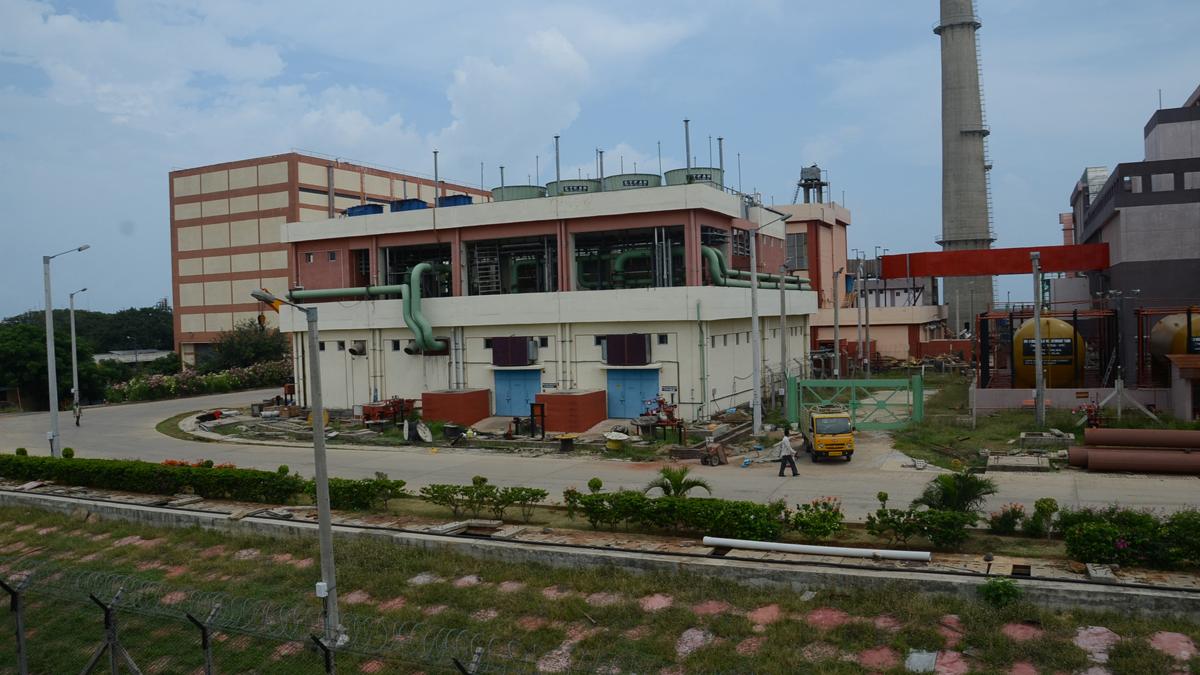
Can nuclear waste be a resource? India is betting on it. The nation's ambitious three-stage nuclear power program is reaching a crucial milestone with the Prototype Fast Breeder Reactor (PFBR) slated for commissioning by September 2026. This marks the second stage of a program designed to revolutionize India's energy landscape while addressing the critical challenge of nuclear waste management.
The PFBR, a technological marvel situated at the Madras Atomic Power Station in Kalpakkam, Tamil Nadu, represents a significant leap forward in nuclear technology. Unlike conventional nuclear reactors that rely on uranium-235 for fission, the PFBR utilizes a "breeding" process. This innovative approach involves using plutonium-239 as fuel, surrounded by a blanket of fertile uranium-238. As the plutonium core undergoes fission, it releases neutrons that convert the uranium-238 into more plutonium-239, effectively breeding more fuel than it consumes. This closed fuel cycle minimizes the need for fresh uranium and dramatically reduces the volume and long-term radiotoxicity of nuclear waste, a key concern with conventional nuclear power.
The implications of a successful PFBR are profound for India's energy security. With limited uranium resources, fast breeder reactor technology opens the door to utilizing India's vast thorium reserves, estimated to be one of the largest in the world. Thorium, while not fissile itself, can be converted into uranium-233, a fissile isotope, through a process facilitated by fast breeder reactors. This creates a potential pathway to a near-infinite energy source, offering a long-term solution to India's growing energy demands. Furthermore, the PFBR's ability to burn long-lived radioactive isotopes present in spent fuel from conventional reactors contributes significantly to reducing the challenges associated with nuclear waste storage and disposal.
The journey towards commissioning the PFBR has been marked by rigorous research, development, and technological advancements. Indian scientists and engineers have overcome numerous challenges to master the complex intricacies of fast breeder reactor technology, demonstrating India's growing prowess in the field of nuclear energy. The project has also fostered international collaborations and knowledge sharing, contributing to global advancements in nuclear technology. The upcoming commissioning of the PFBR represents not only a technological triumph but also a testament to India's commitment to sustainable energy development.
The successful operation of the PFBR will pave the way for the third stage of India's nuclear program, which envisions the development of thorium-based reactors. This final stage aims to harness the full potential of India's thorium reserves, ensuring a secure and sustainable energy future for generations to come. The commissioning of the PFBR is not just a milestone; it's a pivotal step towards realizing India's vision of a thorium-fueled future, a future where nuclear energy is both cleaner and more sustainable. This marks a significant stride towards establishing India as a global leader in nuclear technology, pushing the boundaries of innovation while addressing the pressing global need for clean and sustainable energy solutions.
Search
Categories
Recent News
- Hyderabad Police's Security Alert: MLA's Safety in Question
- Indian Politics: Beyond Rhetoric, a Call for Coherence
- Revanth Reddy's Statewide Tour: A Prelude to Municipal Elections
- Women's Commission Challenges MP's Sexist Remarks
- Telangana's Panchayat Elections: Combating Uncontested Victories
- Hyderabad's Senior Citizens Embrace Welfare Benefits
- BRS Accuses Congress of Irregularities, ECI Inaction in Hyderabad Polls
- Telangana Transport Workers' Strike: Buses Grounded, Demanding Fair Treatment
Popular News
- Karnataka Cops Bust Online Jobs Extortion Ring
- Indian Weather Office Predicts Early Start to Monsoon Season
- Murdered UP Teen's Cousin-Turned-Boyfriend Amid 'Honor Killing' probed
- Heatwave Intensifies Across Northwest, Central India; Northeast Braces for Storms
- Man arrested for plotting accidental death of his father