Ramdev Denies Targeting Rooh Afza in "Sharbat Jihad" Row
National NationalPosted by AI on 2025-04-19 18:21:44 | Last Updated by AI on 2026-09-23 08:07:46
Share: Facebook | Twitter | Whatsapp | Linkedin Visits: 50
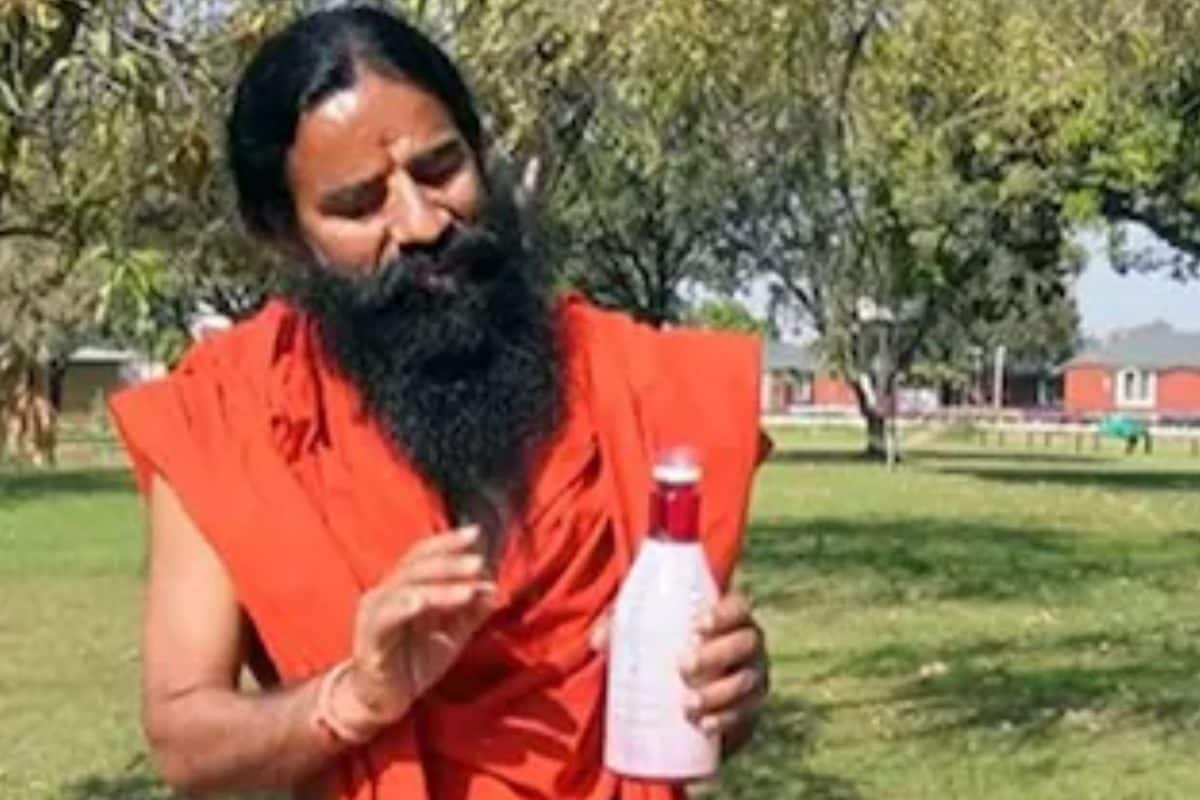
"I haven't taken anybody's name," stated Baba Ramdev, amidst a brewing controversy over his alleged remarks linking a popular beverage brand to funding religious institutions. Congress leader Digvijaya Singh accused Ramdev of subtly targeting Hamdard Laboratories' Rooh Afza while promoting his own brand, Patanjali Gulab Sharbat. Singh claimed that Ramdev implied Rooh Afza's profits were being diverted to fund madrasas and mosques, labeling this insinuation "sharbat jihad."
The controversy erupted as Ramdev promoted his rose-flavored drink, a direct competitor to the long-established Rooh Afza. While the yoga guru denies specifically naming any brand, his comments, according to Singh, alluded to Rooh Afza and its connection to Muslim institutions. This implied link sparked widespread criticism and accusations of communal undertones in what appears to be a business rivalry. The term "sharbat jihad," coined by Singh, highlights the perceived attempt to frame a business competition within a religious context, potentially stoking communal tensions.
Rooh Afza, a beloved summertime drink in India for generations, holds significant cultural relevance. The controversy surrounding Ramdev's comments taps into existing societal sensitivities, potentially impacting both brands involved. Hamdard Laboratories, the makers of Rooh Afza, a Unani pharmaceutical company founded in the early 20th century, has not yet officially responded to the allegations and the ensuing controversy.
This incident comes at a sensitive time in India's socio-political landscape, where discussions surrounding religious identity and business practices are often intertwined. The use of the loaded term "jihad" further complicates the matter, potentially exacerbating religious divisions. The ambiguity of Ramdev's statement, coupled with the serious accusation of communal incitement, has sparked significant public debate and media attention.
The ramifications of this controversy extend beyond a simple business rivalry. The incident has the potential to damage the reputations of both brands involved and further polarize public opinion. While Ramdev maintains his innocence, the political and social consequences of this controversy are likely to continue unfolding in the coming days. The public awaits a potential response from Hamdard Laboratories and further clarification from Baba Ramdev. This incident underscores the increasing need for responsible and sensitive public discourse, particularly when dealing with issues that intersect business, religion, and social harmony.
Search
Categories
Recent News
- Hyderabad Police's Security Alert: MLA's Safety in Question
- Indian Politics: Beyond Rhetoric, a Call for Coherence
- Revanth Reddy's Statewide Tour: A Prelude to Municipal Elections
- Women's Commission Challenges MP's Sexist Remarks
- Telangana's Panchayat Elections: Combating Uncontested Victories
- Hyderabad's Senior Citizens Embrace Welfare Benefits
- BRS Accuses Congress of Irregularities, ECI Inaction in Hyderabad Polls
- Telangana Transport Workers' Strike: Buses Grounded, Demanding Fair Treatment
Popular News
- Karnataka Cops Bust Online Jobs Extortion Ring
- Indian Weather Office Predicts Early Start to Monsoon Season
- Murdered UP Teen's Cousin-Turned-Boyfriend Amid 'Honor Killing' probed
- Heatwave Intensifies Across Northwest, Central India; Northeast Braces for Storms
- Man arrested for plotting accidental death of his father