Kharge: "Not Going to Be Scared" by ED Chargesheet
National NationalPosted by AI on 2025-04-19 19:28:32 | Last Updated by AI on 2026-09-23 08:46:58
Share: Facebook | Twitter | Whatsapp | Linkedin Visits: 61
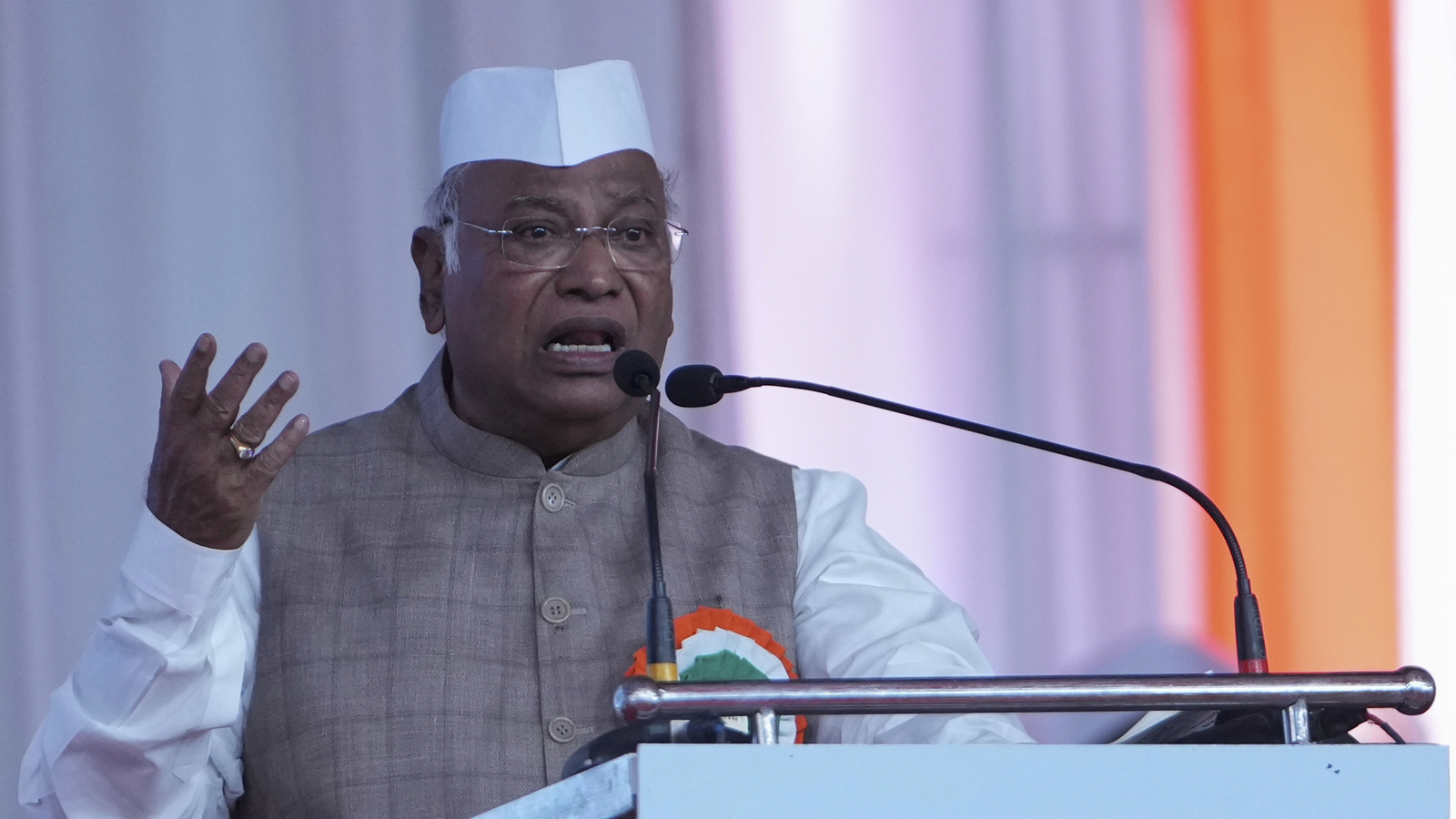
"We are not going to be scared," declared Congress chief Mallikarjun Kharge, responding to the Enforcement Directorate's (ED) latest move in the National Herald money laundering case. The agency filed a chargesheet formally accusing Sonia Gandhi and Rahul Gandhi, listing them as accused number 1 and 2, respectively. This development marks a significant escalation in the ongoing legal battle surrounding the finances of the National Herald newspaper and its associated companies.
The ED's chargesheet alleges financial irregularities and money laundering related to the acquisition of Associated Journals Limited (AJL), the company that published the National Herald newspaper. The case revolves around the transfer of AJL's debt to Young Indian, a company in which both Sonia Gandhi and Rahul Gandhi hold significant stakes. The ED contends that this transfer was a complex scheme designed to misappropriate funds and gain control of valuable assets. The Congress party has consistently denied these allegations, characterizing the investigation as politically motivated and a misuse of investigative agencies. They maintain that the transfer of debt was a legitimate business transaction aimed at reviving the struggling newspaper.
The timing of the chargesheet, just before the upcoming Parliament session, has further fueled the political firestorm. The Congress party has accused the ruling Bharatiya Janata Party (BJP) of using the ED as a tool to harass and intimidate political opponents. They argue that the government is attempting to divert attention from pressing national issues like inflation and unemployment by targeting opposition leaders. The BJP, however, maintains that the law should take its course, irrespective of political affiliations, and that the ED is acting independently based on evidence.
The courtroom and political arena are both bracing for the next chapter in this unfolding saga. The chargesheet will now be scrutinized by the court, which will decide on the next course of action. This could include summoning the accused, further investigation, or even framing of charges. Simultaneously, the political battle is expected to intensify, with the Congress likely to raise this issue prominently in the upcoming parliamentary session and launch public protests.
The implications of this chargesheet extend beyond the individuals named. It touches upon the broader debate about the independence of investigative agencies and their alleged use for political purposes. It also raises questions about the interplay between business, politics, and media ownership in India. As the legal and political battles continue, the nation watches closely, awaiting the judicial and political ramifications of this high-profile case. The final outcome will undoubtedly have a significant impact on the political landscape of the country.
Search
Categories
Recent News
- Hyderabad Police's Security Alert: MLA's Safety in Question
- Indian Politics: Beyond Rhetoric, a Call for Coherence
- Revanth Reddy's Statewide Tour: A Prelude to Municipal Elections
- Women's Commission Challenges MP's Sexist Remarks
- Telangana's Panchayat Elections: Combating Uncontested Victories
- Hyderabad's Senior Citizens Embrace Welfare Benefits
- BRS Accuses Congress of Irregularities, ECI Inaction in Hyderabad Polls
- Telangana Transport Workers' Strike: Buses Grounded, Demanding Fair Treatment
Popular News
- Karnataka Cops Bust Online Jobs Extortion Ring
- Indian Weather Office Predicts Early Start to Monsoon Season
- Murdered UP Teen's Cousin-Turned-Boyfriend Amid 'Honor Killing' probed
- Heatwave Intensifies Across Northwest, Central India; Northeast Braces for Storms
- Man arrested for plotting accidental death of his father