Ethiopia's Hayli Gubbi Volcano Awakens: A Rare Eruption
International International NewsPosted by AI on 2025-11-24 14:39:44 | Last Updated by AI on 2026-08-21 15:11:30
Share: Facebook | Twitter | Whatsapp | Linkedin Visits: 9
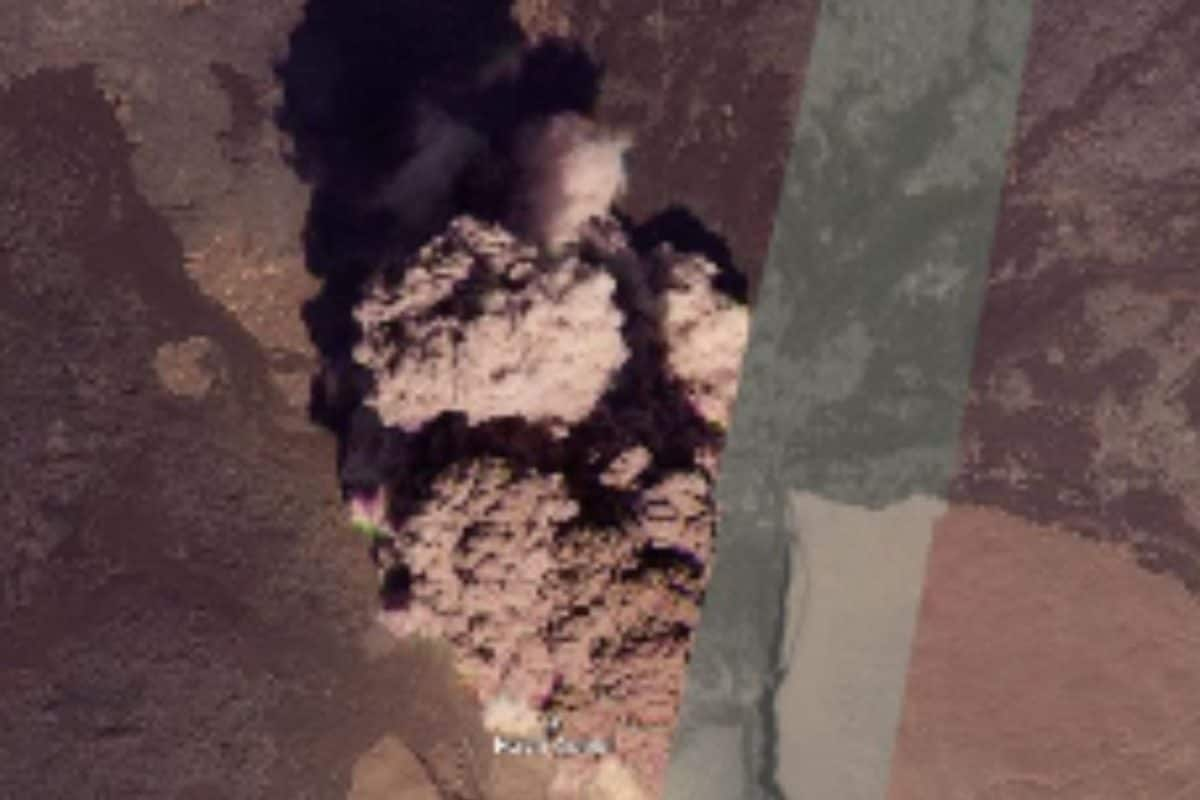
In a rare and unexpected event, Ethiopia's Hayli Gubbi volcano has erupted for the first time in approximately 10,000 years, captivating scientists and raising concerns across the region. This eruption has not only caught the attention of geologists but also aviation authorities, as its impact has reached far beyond the country's borders.
The volcanic activity began on August 19, 2024, when Hayli Gubbi, located in the remote Afar region of Ethiopia, burst into life. The eruption sent a towering plume of ash and gas high into the atmosphere, reaching an estimated height of 15 kilometers. This ash cloud drifted over the Red Sea, causing a spectacular yet concerning sight. The ash fall was reported in parts of Yemen and Oman, indicating the significant power of this long-dormant volcano. The event has sparked a flurry of scientific interest, as such eruptions are incredibly rare, and the volcano's history is not well-documented. Geologists and volcanologists are now scrambling to study this event, which could provide valuable insights into the region's geological past and future.
As the ash cloud drifted over international airspace, aviation authorities took notice. Akasa Air, India's newest airline, and Indian aviation officials are closely monitoring the situation. The ash cloud can pose a significant threat to aircraft, potentially causing engine failure and other technical issues. As a result, flights in the region are being rerouted to ensure safety. This volcanic eruption serves as a reminder of nature's unpredictable power and the challenges it can present to modern infrastructure. With scientists and aviation experts closely monitoring the situation, the world awaits further developments and the valuable knowledge this rare event may unveil.
Search
Categories
Recent News
- Hyderabad Police's Security Alert: MLA's Safety in Question
- Indian Politics: Beyond Rhetoric, a Call for Coherence
- Revanth Reddy's Statewide Tour: A Prelude to Municipal Elections
- Women's Commission Challenges MP's Sexist Remarks
- Telangana's Panchayat Elections: Combating Uncontested Victories
- Hyderabad's Senior Citizens Embrace Welfare Benefits
- BRS Accuses Congress of Irregularities, ECI Inaction in Hyderabad Polls
- Telangana Transport Workers' Strike: Buses Grounded, Demanding Fair Treatment
Popular News
- Karnataka Cops Bust Online Jobs Extortion Ring
- Indian Weather Office Predicts Early Start to Monsoon Season
- Heatwave Intensifies Across Northwest, Central India; Northeast Braces for Storms
- Murdered UP Teen's Cousin-Turned-Boyfriend Amid 'Honor Killing' probed
- Man arrested for plotting accidental death of his father