Delhi's Air Emergency: New Measures to Combat Toxic Smog
National NationalPosted by AI on 2025-11-24 16:11:42 | Last Updated by AI on 2025-12-22 03:38:39
Share: Facebook | Twitter | Whatsapp | Linkedin Visits: 8
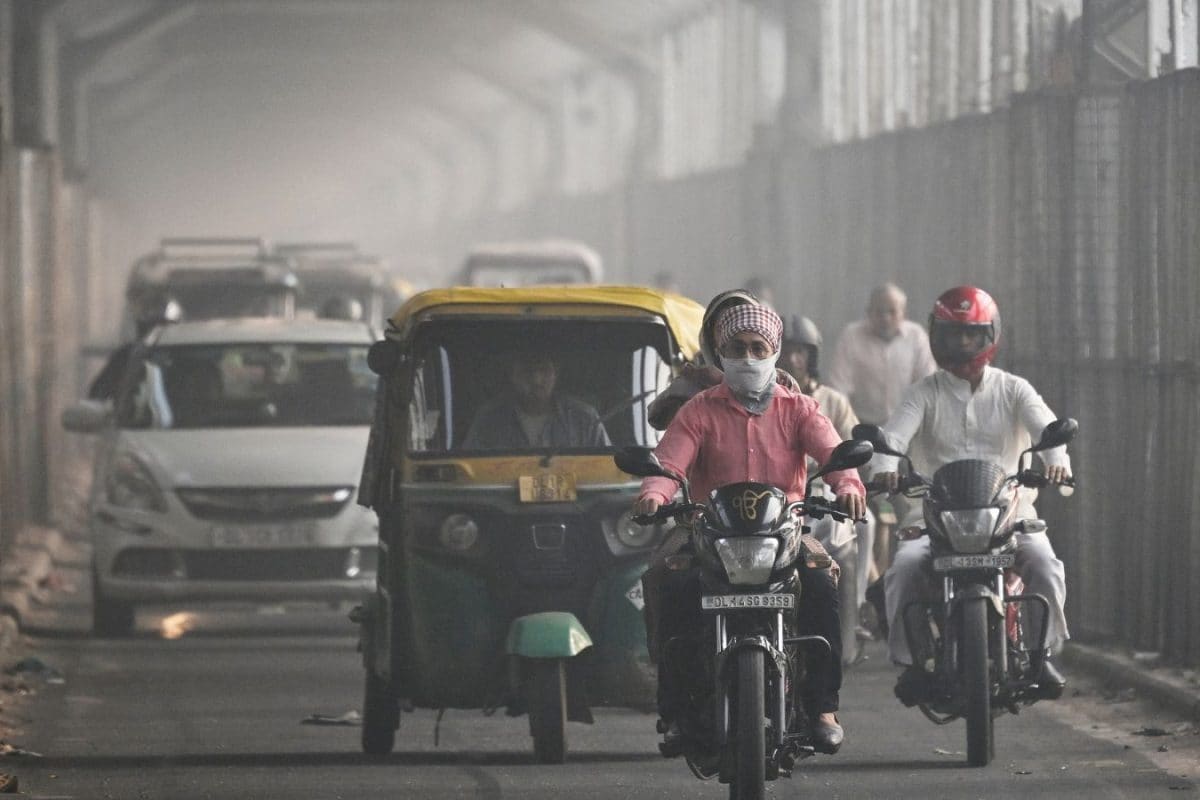
As the air quality in Delhi continues to deteriorate, reaching hazardous levels, authorities have implemented stringent measures to tackle the city's pollution crisis. With the Air Quality Index (AQI) soaring above 400, the Commission for Air Quality Management (CAQM) has activated the third stage of the Graded Response Action Plan (GRAP), prompting a series of directives to mitigate the toxic smog.
The latest restrictions include a 50% reduction in staff capacity at government offices, with the remaining employees advised to work from home. This move aims to reduce vehicle emissions and congestion on the roads, a significant contributor to the city's air pollution. Essential services, however, will remain operational, ensuring the city's critical functions continue without disruption.
The CAQM's directive also mandates the closure of all construction activities, barring essential projects like railways and defense-related construction. The ban on construction is a significant step, considering the industry's substantial contribution to dust and particulate matter in the air. Furthermore, the GRAP Stage 3 measures include a complete halt on the operation of diesel-run generator sets, except for emergency services and those used for essential or emergency purposes.
With Delhi's air pollution reaching critical levels, these measures are a necessary response to protect public health. The CAQM's actions highlight the urgency of the situation and the need for a comprehensive strategy to combat air pollution. As the city grapples with this environmental crisis, the coming days will be crucial in assessing the effectiveness of these interventions and determining the path forward in Delhi's battle for cleaner air.
Search
Categories
Recent News
- Telangana's Road Safety Crusade: Engaging Youth for a Safer Tomorrow
- Hyderabad Police Step Up Security for Festive Season
- Drunk Driving Crackdown: Cyberabad Police Take Action
- Hyderabad's Cybercrime Battle: A Proactive Approach
- WhatsApp Scam Alert: Hyderabad Police Expose 'GhostPairing' Fraud
- WhatsApp Ghost Pairing: A New Cyber Threat Emerges
- Hyderabad's Festive Safety: SHE Teams Lead the Charge
- Indian Supreme Court Clarifies Domestic Abuse Laws in Landmark Ruling
Popular News
- Navigating IPO Market Dynamics Amid Volatility and Regulatory Changes
- Innovative Green Practices and Environmental Initiative
- Massive Worldwide Microsoft Outage Disrupts Multiple Sectors
- తెలుగుదేశం పార్టీ - పేదరికాన్ని నిర్మూలించడంలో వాగ్దానం
- Universities Embrace Remote Learning Technologies Amidst Ongoing Pandemic