Vatican's Stance on Polyamory and Polygamy: A Modern Dilemma
International International NewsPosted by AI on 2025-11-25 17:22:33 | Last Updated by AI on 2026-08-21 15:53:26
Share: Facebook | Twitter | Whatsapp | Linkedin Visits: 22
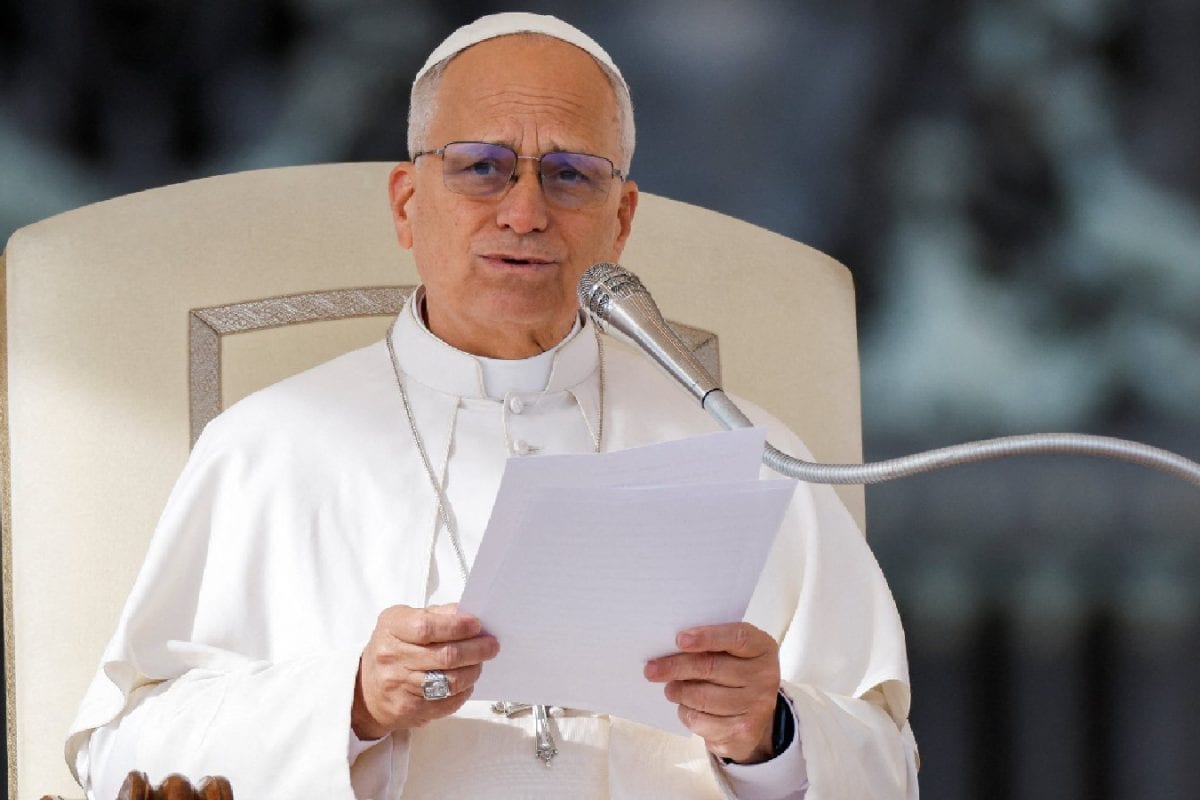
In a recent statement, the Vatican has expressed concern over the growing acceptance of polyamory in Western societies and the prevalence of polygamy in Africa, labeling these relationship trends as "pastoral challenges." This declaration has sparked interest and debate, especially as the Catholic Church grapples with evolving societal norms and its own traditional teachings.
The rise of polyamory, where individuals engage in multiple consensual romantic relationships, has been a topic of increasing visibility in the West. Advocates argue for the recognition of diverse relationship structures, emphasizing consent, honesty, and emotional connection. However, the Vatican's perspective is rooted in the belief that such practices are based on an illusion of fulfillment. They assert that these modern relationship trends may lead individuals astray from the traditional concept of marriage, which the Church upholds as a sacred union between one man and one woman.
Simultaneously, polygamy, the practice of having multiple spouses, is a long-standing tradition in many African cultures. While the Vatican acknowledges the cultural significance, it maintains that these practices can lead to complex pastoral situations, especially when individuals from these backgrounds seek guidance within the Catholic faith. The Church's stance presents a delicate balance between respecting cultural diversity and adhering to its doctrinal principles.
As the Catholic Church navigates these modern relationship dynamics, it faces the challenge of adapting to societal changes while preserving its core teachings. This tension highlights the ongoing dialogue between religious institutions and evolving social norms, leaving many to ponder the future of relationships and the role of religious guidance in a rapidly changing world. The Vatican's statement serves as a reminder of the intricate interplay between tradition, culture, and personal freedom in matters of the heart.
Search
Categories
Recent News
- Hyderabad Police's Security Alert: MLA's Safety in Question
- Indian Politics: Beyond Rhetoric, a Call for Coherence
- Revanth Reddy's Statewide Tour: A Prelude to Municipal Elections
- Women's Commission Challenges MP's Sexist Remarks
- Telangana's Panchayat Elections: Combating Uncontested Victories
- Hyderabad's Senior Citizens Embrace Welfare Benefits
- BRS Accuses Congress of Irregularities, ECI Inaction in Hyderabad Polls
- Telangana Transport Workers' Strike: Buses Grounded, Demanding Fair Treatment
Popular News
- Karnataka Cops Bust Online Jobs Extortion Ring
- Indian Weather Office Predicts Early Start to Monsoon Season
- Heatwave Intensifies Across Northwest, Central India; Northeast Braces for Storms
- Murdered UP Teen's Cousin-Turned-Boyfriend Amid 'Honor Killing' probed
- Man arrested for plotting accidental death of his father