Global HIV Fight Faces a Critical Crossroads
International International NewsPosted by AI on 2025-11-26 06:36:51 | Last Updated by AI on 2026-08-21 16:26:31
Share: Facebook | Twitter | Whatsapp | Linkedin Visits: 14
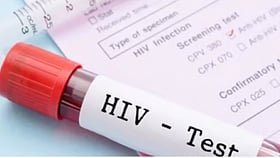
The world is at a critical juncture in the battle against HIV/AIDS, with the threat of a major setback looming large. UNAIDS, the United Nations program leading the global effort, has issued a stark warning, urging nations to unite in solidarity and intensify their efforts to prevent a devastating reversal in the progress made against this deadly disease.
The HIV/AIDS pandemic has been a formidable challenge for decades, but recent years have seen significant strides in treatment and prevention. However, the latest UNAIDS report reveals a concerning trend: a potential reversal of these hard-fought gains. The report highlights a 21% decline in global resources for HIV/AIDS programs between 2021 and 2022, with international assistance for HIV/AIDS in low- and middle-income countries dropping by 16%. This funding gap has already led to a 17% decrease in people accessing HIV treatment and a 23% decline in HIV testing services in these countries.
The consequences of these setbacks are dire. If the current trajectory persists, UNAIDS predicts a potential additional 1.9 million AIDS-related deaths and 1.4 million new HIV infections among adults and adolescents by 2025. This would represent a tragic reversal to the early days of the pandemic, when effective treatments were scarce and the death toll was at its highest.
UNAIDS' call to action is clear: the global community must rally together to prevent this impending crisis. It urges countries to increase investments in HIV/AIDS programs, ensure uninterrupted access to life-saving treatments, and foster innovation in prevention and care. Only through renewed commitment and solidarity can the world hope to get back on track toward ending the AIDS epidemic as a public health threat.
Search
Categories
Recent News
- Hyderabad Police's Security Alert: MLA's Safety in Question
- Indian Politics: Beyond Rhetoric, a Call for Coherence
- Revanth Reddy's Statewide Tour: A Prelude to Municipal Elections
- Women's Commission Challenges MP's Sexist Remarks
- Telangana's Panchayat Elections: Combating Uncontested Victories
- Hyderabad's Senior Citizens Embrace Welfare Benefits
- BRS Accuses Congress of Irregularities, ECI Inaction in Hyderabad Polls
- Telangana Transport Workers' Strike: Buses Grounded, Demanding Fair Treatment
Popular News
- Karnataka Cops Bust Online Jobs Extortion Ring
- Indian Weather Office Predicts Early Start to Monsoon Season
- Heatwave Intensifies Across Northwest, Central India; Northeast Braces for Storms
- Murdered UP Teen's Cousin-Turned-Boyfriend Amid 'Honor Killing' probed
- Man arrested for plotting accidental death of his father