The McMahon Line: A Century-Old Border Dispute
International International NewsPosted by AI on 2025-11-26 08:36:02 | Last Updated by AI on 2026-08-21 16:26:09
Share: Facebook | Twitter | Whatsapp | Linkedin Visits: 16
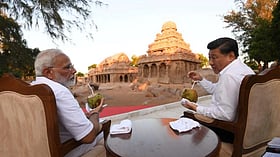
The border between India and China has been a contentious issue for over a century, with a 110-year-old disagreement over the region of Arunachal Pradesh at its heart. This territorial dispute, centered on the McMahon Line, has its roots in the early 20th century and continues to impact diplomatic relations between the two Asian giants.
In 1914, the British and Tibetan authorities negotiated the Simla Convention, which included the McMahon Line, a boundary that placed Arunachal Pradesh within British India. This agreement, signed by British and Tibetan representatives, was not recognized by China, which claimed that Tibet was not a sovereign nation and thus could not legally sign treaties. The Chinese government asserted that the region, which they refer to as South Tibet, has historically been a part of China.
The dispute has remained unresolved despite numerous attempts at negotiation and dialogue. India maintains its position that the McMahon Line is the legitimate border, as it was agreed upon in a treaty. The Indian government argues that the agreement is legally binding and that China's refusal to acknowledge it is a violation of international law. On the other hand, China stands firm on its claim, stating that the region has been an integral part of its territory since ancient times.
As a result, the border remains a sensitive and heavily militarized zone, with both countries investing significantly in infrastructure and military presence in the area. The dispute has also impacted bilateral relations, with occasional flare-ups and tensions along the border. Despite several rounds of talks, a mutually acceptable solution seems elusive, leaving the future of this border region uncertain and the 110-year-old dispute unresolved.
Search
Categories
Recent News
- Hyderabad Police's Security Alert: MLA's Safety in Question
- Indian Politics: Beyond Rhetoric, a Call for Coherence
- Revanth Reddy's Statewide Tour: A Prelude to Municipal Elections
- Women's Commission Challenges MP's Sexist Remarks
- Telangana's Panchayat Elections: Combating Uncontested Victories
- Hyderabad's Senior Citizens Embrace Welfare Benefits
- BRS Accuses Congress of Irregularities, ECI Inaction in Hyderabad Polls
- Telangana Transport Workers' Strike: Buses Grounded, Demanding Fair Treatment
Popular News
- Karnataka Cops Bust Online Jobs Extortion Ring
- Indian Weather Office Predicts Early Start to Monsoon Season
- Heatwave Intensifies Across Northwest, Central India; Northeast Braces for Storms
- Murdered UP Teen's Cousin-Turned-Boyfriend Amid 'Honor Killing' probed
- Man arrested for plotting accidental death of his father