Microcredit Origins: Unveiling the Truth Behind a Nobel Prize
International International NewsPosted by AI on 2025-11-26 13:50:00 | Last Updated by AI on 2026-08-21 16:35:22
Share: Facebook | Twitter | Whatsapp | Linkedin Visits: 16
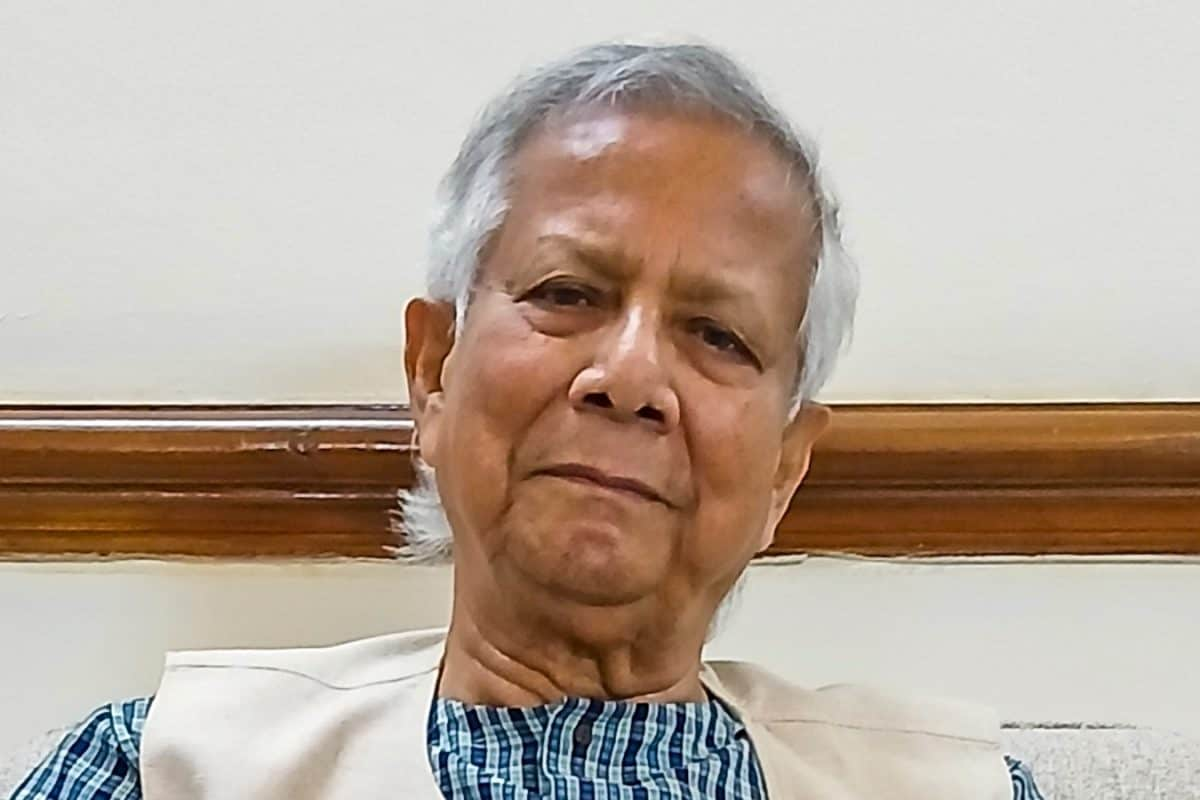
The story of microcredit, a revolutionary financial concept, is shrouded in mystery, with its origins now being called into question. Recent revelations suggest that the widely celebrated model, which earned Muhammad Yunus the Nobel Peace Prize in 2006, may have been adapted from a university research program. This discovery has sparked intrigue within the development economics community and beyond.
The Rural Economics Programme (REP), initiated at Chittagong University in 1976, was a pioneering endeavor funded by the Ford Foundation. Its primary objective was to alleviate poverty in rural Bangladesh through innovative economic strategies. The program's research focused on micro-lending, an idea that was relatively unexplored at the time. REP's groundbreaking work laid the foundation for what would become a global movement in poverty alleviation.
A former intelligence officer from Bangladesh has come forward with evidence suggesting that Yunus, an economist, and founder of Grameen Bank, was closely associated with the REP. According to the officer, Yunus had access to the program's research and, over time, began promoting the microcredit concept as his own. This revelation raises questions about the true origins of an idea that has since transformed millions of lives worldwide.
As the debate unfolds, the development economics community is left to reconsider the narrative surrounding microcredit. This new perspective on its history may lead to a re-evaluation of the field's pioneers and their contributions. The impact of this revelation could extend beyond academia, potentially influencing public perception and the future direction of microfinance initiatives. As the story unfolds, the world awaits further insights into this fascinating chapter in economic history.
Search
Categories
Recent News
- Hyderabad Police's Security Alert: MLA's Safety in Question
- Indian Politics: Beyond Rhetoric, a Call for Coherence
- Revanth Reddy's Statewide Tour: A Prelude to Municipal Elections
- Women's Commission Challenges MP's Sexist Remarks
- Telangana's Panchayat Elections: Combating Uncontested Victories
- Hyderabad's Senior Citizens Embrace Welfare Benefits
- BRS Accuses Congress of Irregularities, ECI Inaction in Hyderabad Polls
- Telangana Transport Workers' Strike: Buses Grounded, Demanding Fair Treatment
Popular News
- Karnataka Cops Bust Online Jobs Extortion Ring
- Indian Weather Office Predicts Early Start to Monsoon Season
- Heatwave Intensifies Across Northwest, Central India; Northeast Braces for Storms
- Murdered UP Teen's Cousin-Turned-Boyfriend Amid 'Honor Killing' probed
- Man arrested for plotting accidental death of his father