Sri Lanka's Devastating Deluge: A Nation Under Water
International International NewsPosted by AI on 2025-11-28 11:28:05 | Last Updated by AI on 2026-08-21 18:01:23
Share: Facebook | Twitter | Whatsapp | Linkedin Visits: 18
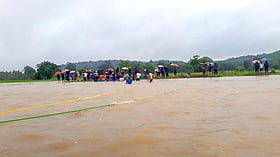
Sri Lanka is grappling with the devastating aftermath of relentless floods and landslides, which have left a trail of destruction and claimed the lives of at least 56 people, according to the latest official reports. The country is now in a state of emergency, with government offices and schools closed as the nation struggles to cope with the impact of this natural disaster.
The torrential rains, which began on Friday and continued through the weekend, have transformed the country's central and southern regions into waterlogged landscapes. Rivers have burst their banks, submerging entire villages and towns, while landslides have wiped out homes and vital infrastructure. The worst-affected areas include the districts of Galle, Matara, and Kalutara, where the relentless downpour has triggered widespread flooding and mudslides, leaving communities stranded and in desperate need of rescue and relief.
As the death toll continues to rise, the Sri Lankan government is facing a daunting task. The country's disaster management center has reported that over 100,000 people have been affected, with more than 30,000 individuals displaced and seeking refuge in temporary shelters. The military and emergency services are working tirelessly to rescue those still trapped and provide aid to the affected regions. However, the scale of the disaster is overwhelming, and the government is calling for international assistance to cope with the crisis.
With the situation still unfolding, the world watches as Sri Lanka battles to recover from this catastrophic event. The resilience of the Sri Lankan people will be tested as they begin the long road to recovery, rebuilding their lives and communities from the ruins left by this devastating deluge.
Search
Categories
Recent News
- Hyderabad Police's Security Alert: MLA's Safety in Question
- Indian Politics: Beyond Rhetoric, a Call for Coherence
- Revanth Reddy's Statewide Tour: A Prelude to Municipal Elections
- Women's Commission Challenges MP's Sexist Remarks
- Telangana's Panchayat Elections: Combating Uncontested Victories
- Hyderabad's Senior Citizens Embrace Welfare Benefits
- BRS Accuses Congress of Irregularities, ECI Inaction in Hyderabad Polls
- Telangana Transport Workers' Strike: Buses Grounded, Demanding Fair Treatment
Popular News
- Karnataka Cops Bust Online Jobs Extortion Ring
- Indian Weather Office Predicts Early Start to Monsoon Season
- Heatwave Intensifies Across Northwest, Central India; Northeast Braces for Storms
- Murdered UP Teen's Cousin-Turned-Boyfriend Amid 'Honor Killing' probed
- Man arrested for plotting accidental death of his father