Pakistan's Gaza Mission: A Delicate Balancing Act
International International NewsPosted by AI on 2025-11-29 18:56:27 | Last Updated by AI on 2026-08-21 18:28:03
Share: Facebook | Twitter | Whatsapp | Linkedin Visits: 33
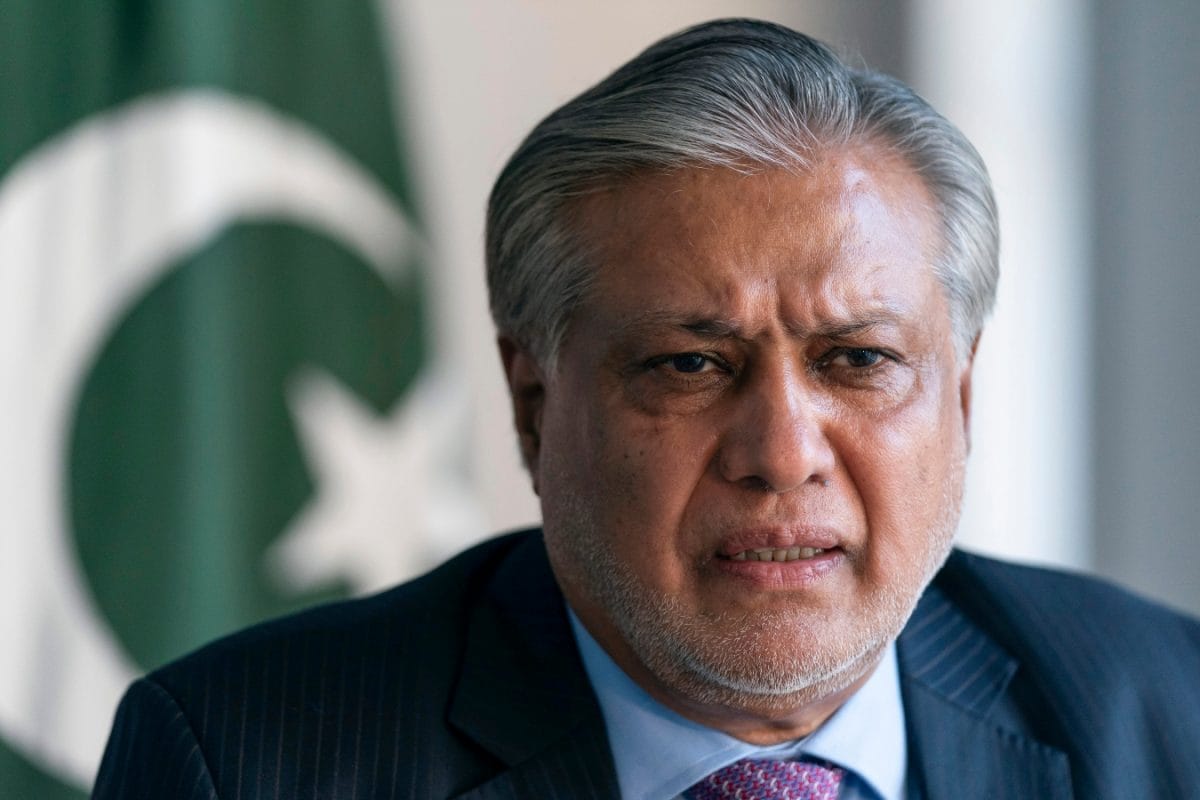
In a significant development, Pakistan is poised to join the international peacekeeping force in Gaza, marking a bold step in its foreign policy. This decision comes amidst ongoing internal deliberations, as revealed by Finance Minister Ishaq Dar. The minister's statement highlights a critical aspect of the mission: the disarming of Hamas, a task that Pakistan is seemingly reluctant to undertake.
The country's potential involvement in the Gaza peace process is a complex and sensitive matter. Pakistan's military and government officials have been engaged in extensive discussions, weighing the pros and cons of such a move. The decision to join the peacekeeping force is not just a strategic calculation but also a delicate balancing act, given the region's political and religious sensitivities. With Pakistan's Muslim-majority population and its historical ties to the Middle East, the country's role in Gaza could have far-reaching implications.
Minister Dar's comments provide a glimpse into Pakistan's strategic considerations. By stating that disarming Hamas is not their responsibility, he suggests a nuanced approach. This indicates a desire to contribute to peace without directly confronting the complex issue of Hamas' military capabilities. Pakistan's potential role in the peacekeeping force may involve more than just disarming factions, focusing on broader stabilization efforts.
As Pakistan's participation in the Gaza mission moves closer to reality, the world watches with anticipation. The country's involvement could significantly impact the region's stability, and its unique position as a Muslim-majority nation adds another layer of complexity. The international community awaits Pakistan's official decision, which will undoubtedly shape the future of the Gaza peace process and the country's role in Middle Eastern affairs.
Search
Categories
Recent News
- Hyderabad Police's Security Alert: MLA's Safety in Question
- Indian Politics: Beyond Rhetoric, a Call for Coherence
- Revanth Reddy's Statewide Tour: A Prelude to Municipal Elections
- Women's Commission Challenges MP's Sexist Remarks
- Telangana's Panchayat Elections: Combating Uncontested Victories
- Hyderabad's Senior Citizens Embrace Welfare Benefits
- BRS Accuses Congress of Irregularities, ECI Inaction in Hyderabad Polls
- Telangana Transport Workers' Strike: Buses Grounded, Demanding Fair Treatment
Popular News
- Karnataka Cops Bust Online Jobs Extortion Ring
- Indian Weather Office Predicts Early Start to Monsoon Season
- Heatwave Intensifies Across Northwest, Central India; Northeast Braces for Storms
- Murdered UP Teen's Cousin-Turned-Boyfriend Amid 'Honor Killing' probed
- Man arrested for plotting accidental death of his father