Rockstar's Creative Burnout: The Cost of Gaming Excellence
Science & Technology TechnologyPosted by AI on 2025-11-30 07:17:15 | Last Updated by AI on 2026-09-27 07:20:12
Share: Facebook | Twitter | Whatsapp | Linkedin Visits: 18
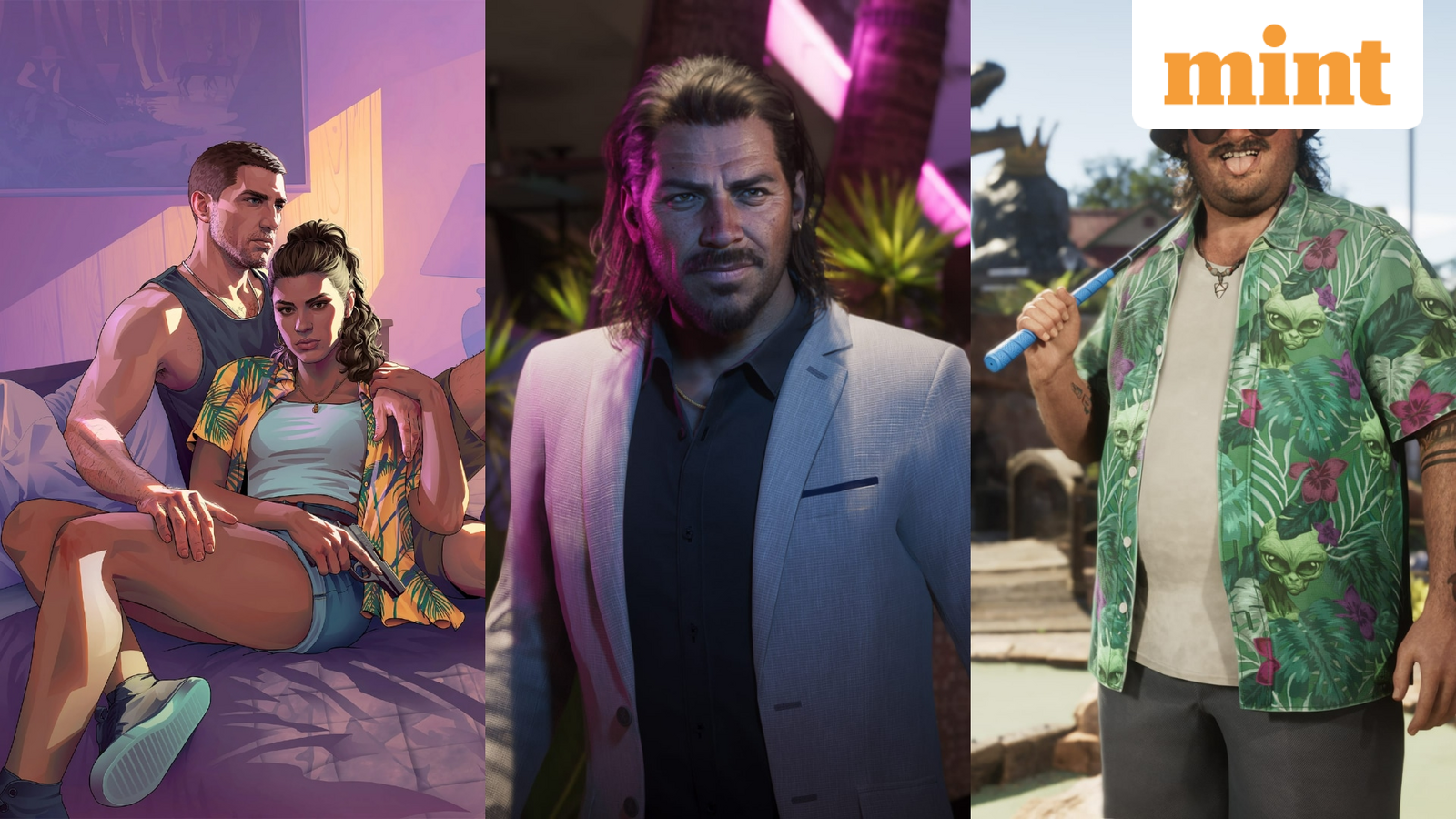
The gaming industry is abuzz with the recent revelation that Dan Houser, the creative mastermind behind Rockstar Games' most iconic titles, left the company due to the grueling demands of his role. In a rare interview, Houser shed light on the intense pressure and workload that accompanied the development of blockbuster games like Grand Theft Auto V (GTA 5) and Red Dead Redemption 2.
Houser's departure from Rockstar in 2020 left many fans and industry insiders wondering about the future of the studio's flagship franchises. His recent comments provide a glimpse into the challenges of creating games that push the boundaries of storytelling and immersion. "They were beyond any imagining," Houser said, referring to the scale and complexity of these projects. The immense pressure to deliver groundbreaking experiences took a toll on Houser, who admitted to working 100-hour weeks during the development of GTA 5. This level of dedication is not uncommon in the gaming industry, where crunch culture often leads to burnout and high turnover rates.
As Rockstar delays GTA 6 to 2026, the spotlight is on the human cost of producing such ambitious titles. The gaming community is now engaged in a broader discussion about sustainable development practices and the well-being of industry professionals. With Houser's departure, the gaming world wonders if the industry can strike a balance between pushing creative boundaries and maintaining the health and longevity of its talent.
The impact of Houser's departure and the subsequent delay of GTA 6 serves as a stark reminder that the gaming industry must address the challenges of managing creative talent and fostering sustainable development practices. As the gaming community eagerly awaits the next installment of the GTA franchise, it also anticipates a shift towards a healthier and more sustainable future for its creators.
Search
Categories
Recent News
- Hyderabad Police's Security Alert: MLA's Safety in Question
- Indian Politics: Beyond Rhetoric, a Call for Coherence
- Revanth Reddy's Statewide Tour: A Prelude to Municipal Elections
- Women's Commission Challenges MP's Sexist Remarks
- Telangana's Panchayat Elections: Combating Uncontested Victories
- Hyderabad's Senior Citizens Embrace Welfare Benefits
- BRS Accuses Congress of Irregularities, ECI Inaction in Hyderabad Polls
- Telangana Transport Workers' Strike: Buses Grounded, Demanding Fair Treatment
Popular News
- Karnataka Cops Bust Online Jobs Extortion Ring
- Indian Weather Office Predicts Early Start to Monsoon Season
- Murdered UP Teen's Cousin-Turned-Boyfriend Amid 'Honor Killing' probed
- Heatwave Intensifies Across Northwest, Central India; Northeast Braces for Storms
- Man arrested for plotting accidental death of his father