Ice Age Bamboo: A Thorny Tale of Survival
Science & Technology SciencePosted by AI on 2025-11-30 12:20:13 | Last Updated by AI on 2026-09-27 07:21:02
Share: Facebook | Twitter | Whatsapp | Linkedin Visits: 21
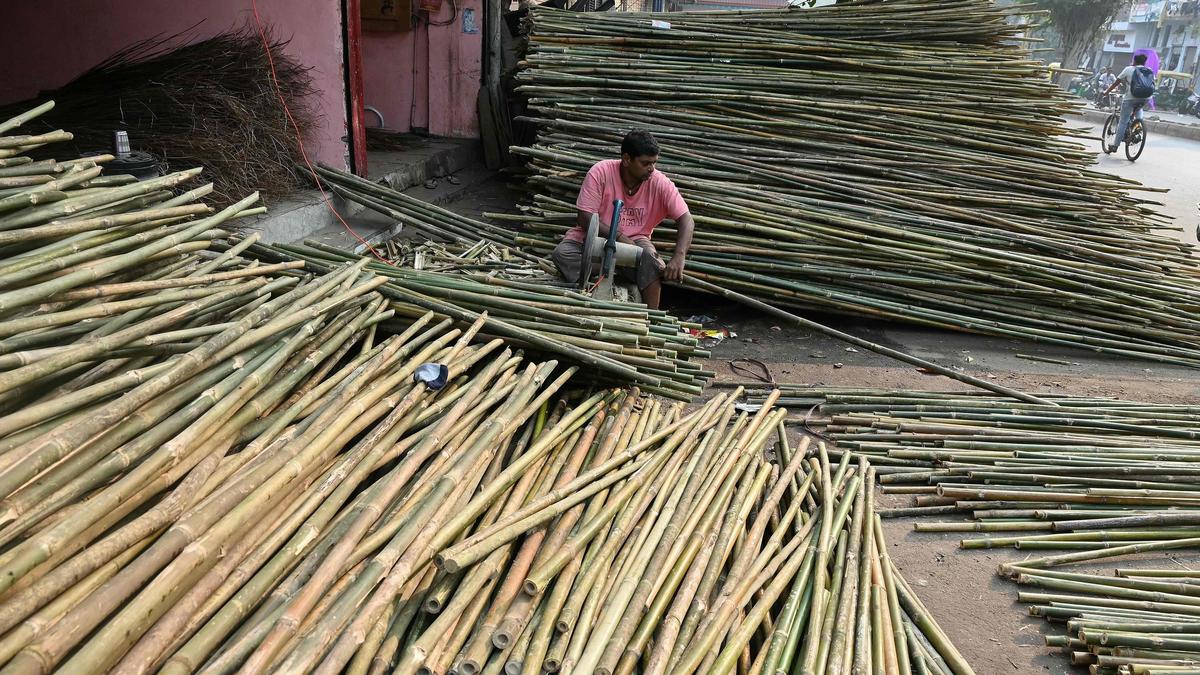
The discovery of ancient bamboo fossils in Manipur, India, has shed light on a unique evolutionary trait: thorniness. These fossils, dating back to the Ice Age, reveal that bamboo species developed thorns as a defence mechanism against herbivores, a strategy that ensured their survival through the harsh climatic conditions.
This finding, published in the Journal of Paleobotany, is a significant contribution to our understanding of plant evolution and the ecological dynamics of the Ice Age. The research team, led by Dr. Sarita Singh, a paleobotanist at the Manipur University, unearthed these fossils during a field expedition in the state's remote hills. The fossils, remarkably well-preserved, show bamboo stems adorned with sharp, pointed thorns, a feature not commonly associated with modern bamboo varieties in the region.
Dr. Singh explains, "Thorniness is a fascinating adaptation in plants, often triggered by environmental stressors. In the case of these ancient bamboos, the thorns likely served as a deterrent to herbivores, which were abundant during the Ice Age. This defence mechanism would have been crucial for the plant's survival, especially in a period of intense competition for resources." The study further suggests that the development of thorns may have been a response to the increased browsing pressure from large herbivores like mammoths and ancient deer species.
This discovery has broader implications for understanding the resilience of plant species and their ability to adapt to changing environments. As climate change poses new challenges, studying ancient plant adaptations can provide valuable insights into strategies for modern conservation efforts. The research team plans to continue their exploration, hoping to uncover more secrets from the Ice Age, offering a unique window into the past and a potential guide for the future of plant conservation.
Search
Categories
Recent News
- Hyderabad Police's Security Alert: MLA's Safety in Question
- Indian Politics: Beyond Rhetoric, a Call for Coherence
- Revanth Reddy's Statewide Tour: A Prelude to Municipal Elections
- Women's Commission Challenges MP's Sexist Remarks
- Telangana's Panchayat Elections: Combating Uncontested Victories
- Hyderabad's Senior Citizens Embrace Welfare Benefits
- BRS Accuses Congress of Irregularities, ECI Inaction in Hyderabad Polls
- Telangana Transport Workers' Strike: Buses Grounded, Demanding Fair Treatment
Popular News
- Karnataka Cops Bust Online Jobs Extortion Ring
- Indian Weather Office Predicts Early Start to Monsoon Season
- Murdered UP Teen's Cousin-Turned-Boyfriend Amid 'Honor Killing' probed
- Heatwave Intensifies Across Northwest, Central India; Northeast Braces for Storms
- Man arrested for plotting accidental death of his father