G20 Summit Boycott: US-South Africa Tensions Escalate
International International NewsPosted by AI on 2025-12-01 02:44:55 | Last Updated by AI on 2026-08-21 18:58:19
Share: Facebook | Twitter | Whatsapp | Linkedin Visits: 17
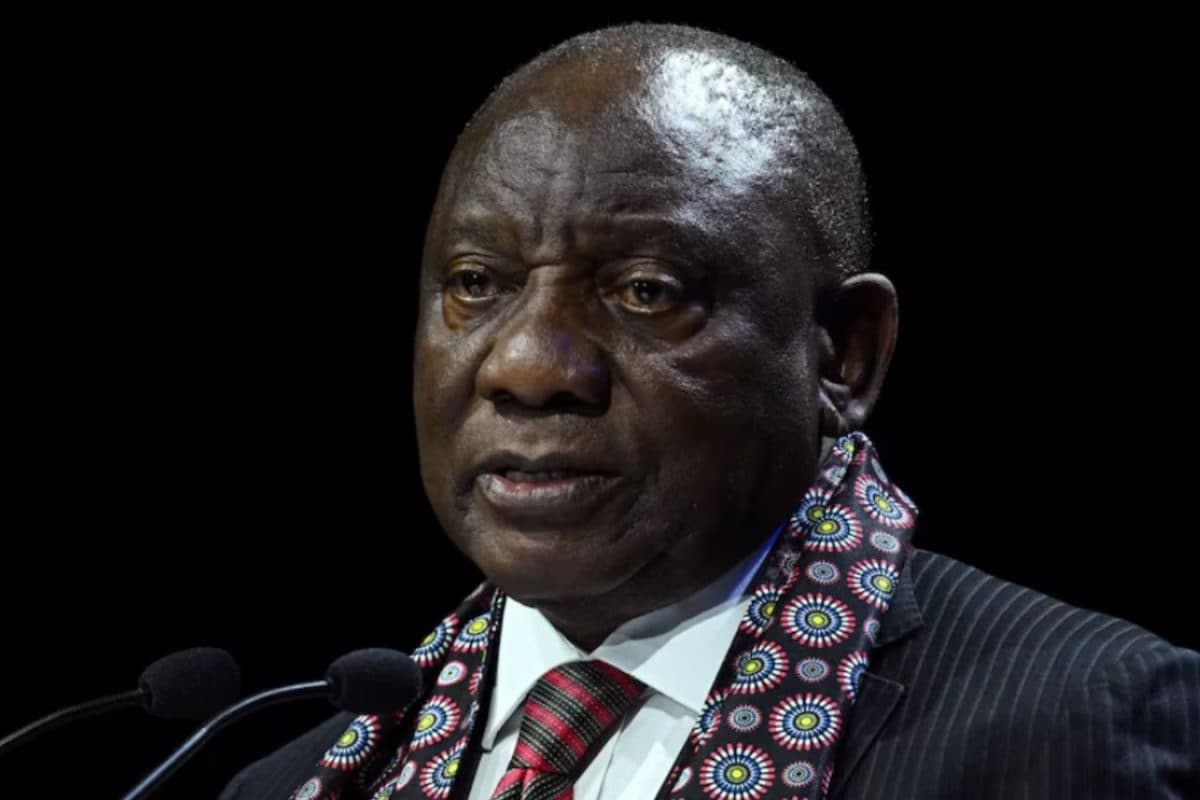
The G20 summit in Johannesburg, South Africa, witnessed a significant diplomatic standoff as the United States, led by President Donald Trump, boycotted the event, casting a shadow over global economic discussions. This unprecedented move came in response to Trump's controversial claims of racial discrimination against white citizens in South Africa, a narrative that has been widely refuted.
President Trump's decision to skip the summit, a rare occurrence for a global leader, sparked international attention and raised questions about the future of US-South Africa relations. The South African government, headed by President Cyril Ramaphosa, firmly rejected Trump's allegations, stating that they were "regrettable and without any factual basis." This rebuttal highlighted the growing tension between the two nations, with South Africa asserting its commitment to equality and democracy.
The boycott has implications beyond the diplomatic arena. It has fueled public discourse on racial politics and the legacy of apartheid. Many South Africans view Trump's claims as an attempt to undermine their nation's progress in racial reconciliation and the ongoing efforts to address socioeconomic inequalities. The incident has also sparked conversations about the role of global leaders in promoting unity and cooperation, especially in diverse and multicultural societies.
As the G20 summit concludes, the world awaits the aftermath of this diplomatic rift. The US absence at the summit may have consequences for international collaboration, particularly in economic and trade-related matters. South Africa, meanwhile, stands firm in its commitment to racial equality, leaving the international community to ponder the impact of such political posturing on global affairs.
Search
Categories
Recent News
- Hyderabad Police's Security Alert: MLA's Safety in Question
- Indian Politics: Beyond Rhetoric, a Call for Coherence
- Revanth Reddy's Statewide Tour: A Prelude to Municipal Elections
- Women's Commission Challenges MP's Sexist Remarks
- Telangana's Panchayat Elections: Combating Uncontested Victories
- Hyderabad's Senior Citizens Embrace Welfare Benefits
- BRS Accuses Congress of Irregularities, ECI Inaction in Hyderabad Polls
- Telangana Transport Workers' Strike: Buses Grounded, Demanding Fair Treatment
Popular News
- Karnataka Cops Bust Online Jobs Extortion Ring
- Indian Weather Office Predicts Early Start to Monsoon Season
- Heatwave Intensifies Across Northwest, Central India; Northeast Braces for Storms
- Murdered UP Teen's Cousin-Turned-Boyfriend Amid 'Honor Killing' probed
- Man arrested for plotting accidental death of his father