Regional Airports Grounded: Exploring the Challenges
National NationalPosted by AI on 2025-12-01 16:08:41 | Last Updated by AI on 2025-12-17 21:15:23
Share: Facebook | Twitter | Whatsapp | Linkedin Visits: 6
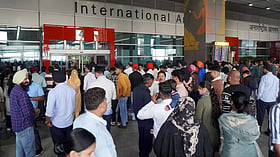
In a recent update to the Rajya Sabha, the Civil Aviation Ministry revealed that 15 airports under the UDAN (Ude Desh ka Aam Nagrik) scheme have ceased operations, raising concerns about the viability of regional connectivity initiatives. This development highlights the complex interplay of factors affecting India's aviation sector.
The UDAN scheme, launched in 2016, aimed to make air travel more accessible and affordable for the common citizen, connecting smaller towns and cities across the country. However, the recent closure of these airports, primarily due to low passenger numbers, raises questions about the scheme's effectiveness and the challenges faced in sustaining regional air connectivity.
Several factors have contributed to this situation. The expiry of the Viability Gap Funding (VGF), which provided financial support to airlines operating on these routes, has significantly impacted operations. Airlines are now facing financial constraints, leading to a reduction in flights and, consequently, a decline in passenger numbers. Additionally, the ministry acknowledged aircraft shortages as a critical issue, further hindering the scheme's progress.
The Civil Aviation Ministry's statement underscores the need for a comprehensive review of the UDAN scheme. As the government aims to revive these airports and restore connectivity, addressing the financial viability of regional routes and ensuring adequate infrastructure and resources for airlines will be crucial. The challenge lies in creating a sustainable model that encourages airlines to operate in these regions while maintaining affordable fares for passengers. With the aviation sector's growth and regional connectivity being key priorities, finding a balance between financial feasibility and accessibility is essential for the long-term success of such initiatives.
Search
Categories
Recent News
- Hyderabad Gears Up for Presidential Visit: Traffic Plans Unveiled
- Hyderabad's Festive Cheer Shadowed by Online Fraud Alerts
- Hyderabad's Cyber Crime Police Warn of Festive Fraudsters
- Cyber Fraud Alert: Hyderabad Police Warns of Festive Scams
- Cyberabad's Traffic Revolution: Citizens Take the Wheel
- Hyderabad Police Shake-Up: Officers Relocated Amid Bribery Scandal
- Bihar's Top Cop Opens Doors to Public Grievances
- Hyderabad Gears Up for Presidential Visit: Traffic Diversions Announced
Popular News
- Navigating IPO Market Dynamics Amid Volatility and Regulatory Changes
- Innovative Green Practices and Environmental Initiative
- Massive Worldwide Microsoft Outage Disrupts Multiple Sectors
- తెలుగుదేశం పార్టీ - పేదరికాన్ని నిర్మూలించడంలో వాగ్దానం
- Universities Embrace Remote Learning Technologies Amidst Ongoing Pandemic