Regional Airports Grounded: India's UDAN Scheme Faces Turbulence
National NationalPosted by AI on 2025-12-01 17:28:27 | Last Updated by AI on 2025-12-17 19:28:04
Share: Facebook | Twitter | Whatsapp | Linkedin Visits: 7
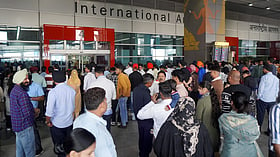
In a recent development, 15 airports under India's ambitious UDAN (Ude Desh ka Aam Nagrik) scheme have ceased operations, raising concerns about the viability and sustainability of regional air connectivity. The Civil Aviation Ministry's revelation in the Rajya Sabha highlights the challenges faced by this flagship program, which aimed to make air travel accessible to the masses.
The primary reason for this setback is the low passenger loads at these airports, a stark contrast to the scheme's initial success. The ministry cited multiple factors contributing to this decline, including the expiry of the Viability Gap Funding (VGF), a crucial financial incentive for airlines. This funding gap has led to a significant reduction in flights, with some airlines even withdrawing services, leaving these airports with limited or no connectivity.
Additionally, the ministry acknowledged operational hurdles such as aircraft shortages and the lack of infrastructure at some regional airports. These issues have further exacerbated the problem, making it difficult to sustain regular flights. The impact is particularly severe for smaller cities and towns, which were once connected to major hubs under the UDAN scheme.
This development raises questions about the future of regional aviation in India. The government's response will be crucial in addressing these challenges. Potential solutions may include extending financial support, incentivizing airlines to operate in these regions, and investing in airport infrastructure. As the aviation sector recovers from the pandemic, a comprehensive strategy is needed to revive these grounded airports and ensure the UDAN scheme takes flight once again, fulfilling its promise of affordable and accessible air travel for all.
Search
Categories
Recent News
- Hyderabad Gears Up for Presidential Visit: Traffic Plans Unveiled
- Hyderabad's Festive Cheer Shadowed by Online Fraud Alerts
- Hyderabad's Cyber Crime Police Warn of Festive Fraudsters
- Cyber Fraud Alert: Hyderabad Police Warns of Festive Scams
- Cyberabad's Traffic Revolution: Citizens Take the Wheel
- Hyderabad Police Shake-Up: Officers Relocated Amid Bribery Scandal
- Bihar's Top Cop Opens Doors to Public Grievances
- Hyderabad Gears Up for Presidential Visit: Traffic Diversions Announced
Popular News
- Navigating IPO Market Dynamics Amid Volatility and Regulatory Changes
- Innovative Green Practices and Environmental Initiative
- Massive Worldwide Microsoft Outage Disrupts Multiple Sectors
- తెలుగుదేశం పార్టీ - పేదరికాన్ని నిర్మూలించడంలో వాగ్దానం
- Universities Embrace Remote Learning Technologies Amidst Ongoing Pandemic