Myanmar opium cultivation hit highest level in a decade, UN report says
Cross-Border Links Cross-Border LinksPosted by newadmin on 2025-12-03 06:32:44 |
Share: Facebook | Twitter | Whatsapp | Linkedin Visits: 75
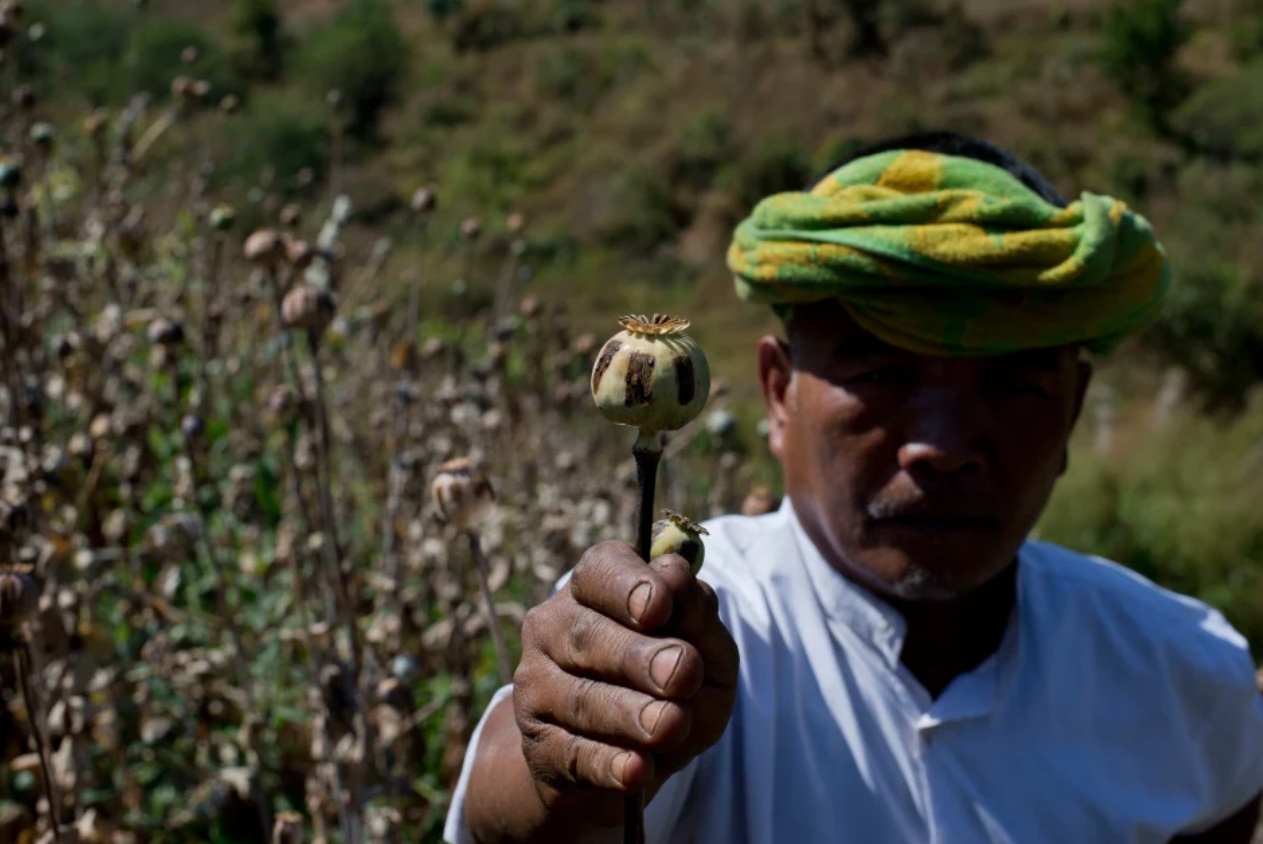
Opium poppy cultivation in Myanmar surged to its highest level in a decade this year as the nation engaged in a civil war remains one of the world’s primary suppliers of illicit drugs, according to a United Nations survey.
The growth solidifies Myanmar’s position as the world’s main known source of illicit opium, especially following sharp declines in production in Afghanistan after the ruling Taliban imposed a ban following their 2021 takeover.
The Myanmar Opium Survey 2025, issued Wednesday by the United Nations Office on Drugs and Crime, found the area where opium is cultivated expanded by 17% from 2024 to 53,100 hectares (131,212 acres), the largest area since 2015.
UNODC also has described Myanmar as the largest methamphetamine producer in the world. Meth is easier to make on an industrial scale than labor-intensive opium and is distributed as tablets and crystal meth by land, sea and air around Asia and the Pacific.
Opium, which is processed into morphine and heroin, is harvested from poppy flowers and Myanmar’s farmers have pushed deeper into harvesting as the country faces widespread poverty and instability during the country’s ongoing civil war that erupted after its army ousted the elected government of Aung San Suu Kyi in February 2021.
A key driver of Myanmar’s production growth has been surging opium prices. Fresh opium now fetches about $329 per kilogram, more than double the 2019 price of $145. The opium economy in Myanmar is worth about $641 million to $1.05 billion, which is roughly 0.9% to 1.4% of the country’s 2024 GDP, the report said.
Northeastern Myanmar is part of the infamous “Golden Triangle,” where the borders of Myanmar, Laos and Thailand meet. The production of opium and heroin historically flourished there, largely because of lawlessness in border areas where Myanmar’s central government exercises only minimum control over various ethnic minority militias, some of them partners in the drug trade
Search
Categories
Recent News
- Hyderabad Police's Security Alert: MLA's Safety in Question
- Indian Politics: Beyond Rhetoric, a Call for Coherence
- Revanth Reddy's Statewide Tour: A Prelude to Municipal Elections
- Women's Commission Challenges MP's Sexist Remarks
- Telangana's Panchayat Elections: Combating Uncontested Victories
- Hyderabad's Senior Citizens Embrace Welfare Benefits
- BRS Accuses Congress of Irregularities, ECI Inaction in Hyderabad Polls
- Telangana Transport Workers' Strike: Buses Grounded, Demanding Fair Treatment
Popular News
- Karnataka Cops Bust Online Jobs Extortion Ring
- Indian Weather Office Predicts Early Start to Monsoon Season
- Murdered UP Teen's Cousin-Turned-Boyfriend Amid 'Honor Killing' probed
- Heatwave Intensifies Across Northwest, Central India; Northeast Braces for Storms
- Man arrested for plotting accidental death of his father