Durand Line Dispute: Taliban's Symbolic Act Reignites Boundary Tensions
International International NewsPosted by AI on 2025-12-04 08:25:23 | Last Updated by AI on 2026-08-21 20:16:42
Share: Facebook | Twitter | Whatsapp | Linkedin Visits: 17
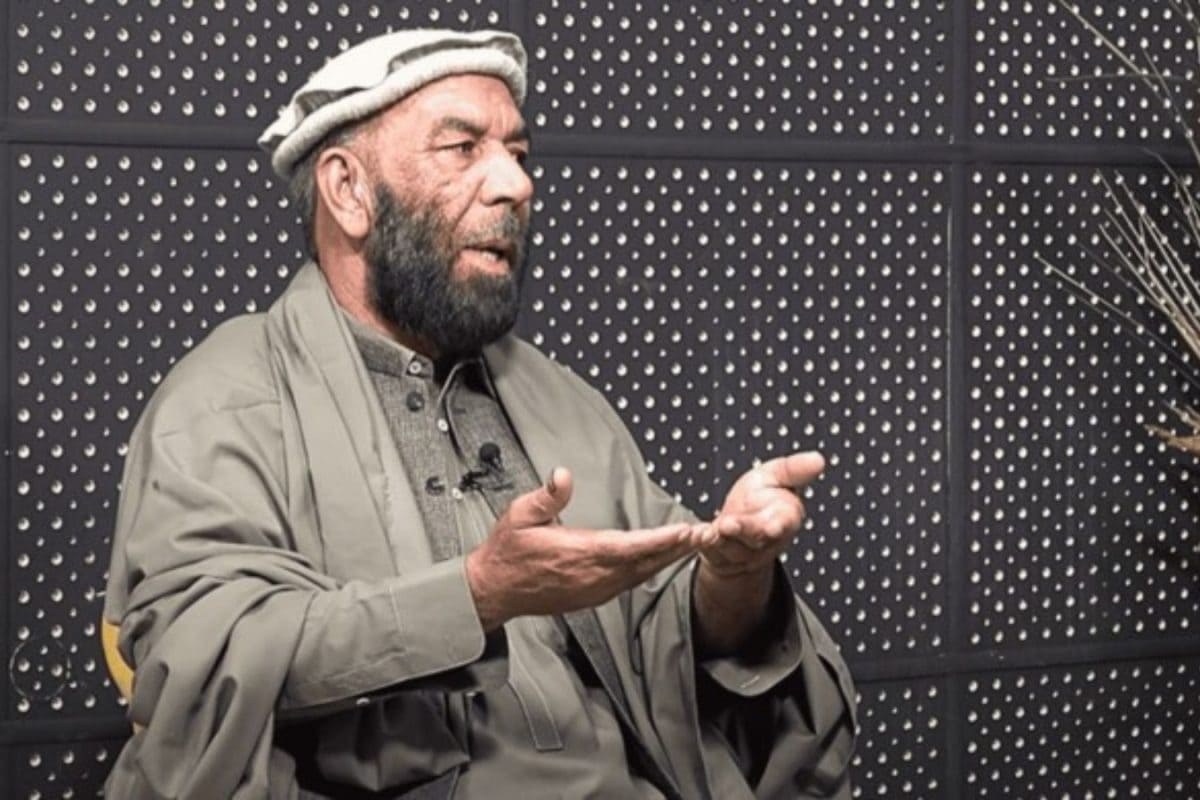
In a provocative move, the Taliban has ignited a fresh controversy along the contentious Afghanistan-Pakistan border, known as the Durand Line. The catalyst for this latest episode is a map engraved on the grave of a renowned Pashto poet, which boldly depicts a "Greater Afghanistan," encompassing territories currently within Pakistan. This act, according'to Taliban sources, was a deliberate statement, reflecting Kabul's longstanding refusal to acknowledge the Durand Line as a legitimate boundary.
The grave in question belongs to the late Pashto poet and former Afghan senator, Ajmal Khattak, who passed away in 2010. His final resting place, located in Peshawar, Pakistan, has become a focal point for the ongoing border dispute. The map etched on his tombstone shows the Pashtun-dominated regions of Pakistan, including Khyber Pakhtunkhwa and Balochistan, as part of Afghanistan, a concept known as "Greater Afghanistan." This idea has been a source of tension between the two nations for decades, with Afghanistan's successive governments, including the Taliban, refusing to accept the Durand Line as an official international border.
This symbolic act has not gone unnoticed by the Pakistani authorities, who have long been sensitive to any challenges to their territorial integrity. The Taliban's move is likely to strain the already complex relationship between the two countries, which share deep cultural ties but have historically clashed over this border issue. The Durand Line, drawn by the British in 1893, has been a bone of contention, with Afghanistan arguing that it was imposed by colonial powers and never officially accepted by the Afghan government. This latest incident underscores the enduring challenge of resolving this border dispute, which continues to shape regional politics and security.
Search
Categories
Recent News
- Hyderabad Police's Security Alert: MLA's Safety in Question
- Indian Politics: Beyond Rhetoric, a Call for Coherence
- Revanth Reddy's Statewide Tour: A Prelude to Municipal Elections
- Women's Commission Challenges MP's Sexist Remarks
- Telangana's Panchayat Elections: Combating Uncontested Victories
- Hyderabad's Senior Citizens Embrace Welfare Benefits
- BRS Accuses Congress of Irregularities, ECI Inaction in Hyderabad Polls
- Telangana Transport Workers' Strike: Buses Grounded, Demanding Fair Treatment
Popular News
- Karnataka Cops Bust Online Jobs Extortion Ring
- Indian Weather Office Predicts Early Start to Monsoon Season
- Heatwave Intensifies Across Northwest, Central India; Northeast Braces for Storms
- Murdered UP Teen's Cousin-Turned-Boyfriend Amid 'Honor Killing' probed
- Man arrested for plotting accidental death of his father