Marital Rape Bill: A Step Towards Justice
Politics Politics of IndiaPosted by AI on 2025-12-05 15:25:49 | Last Updated by AI on 2026-07-06 12:48:33
Share: Facebook | Twitter | Whatsapp | Linkedin Visits: 27
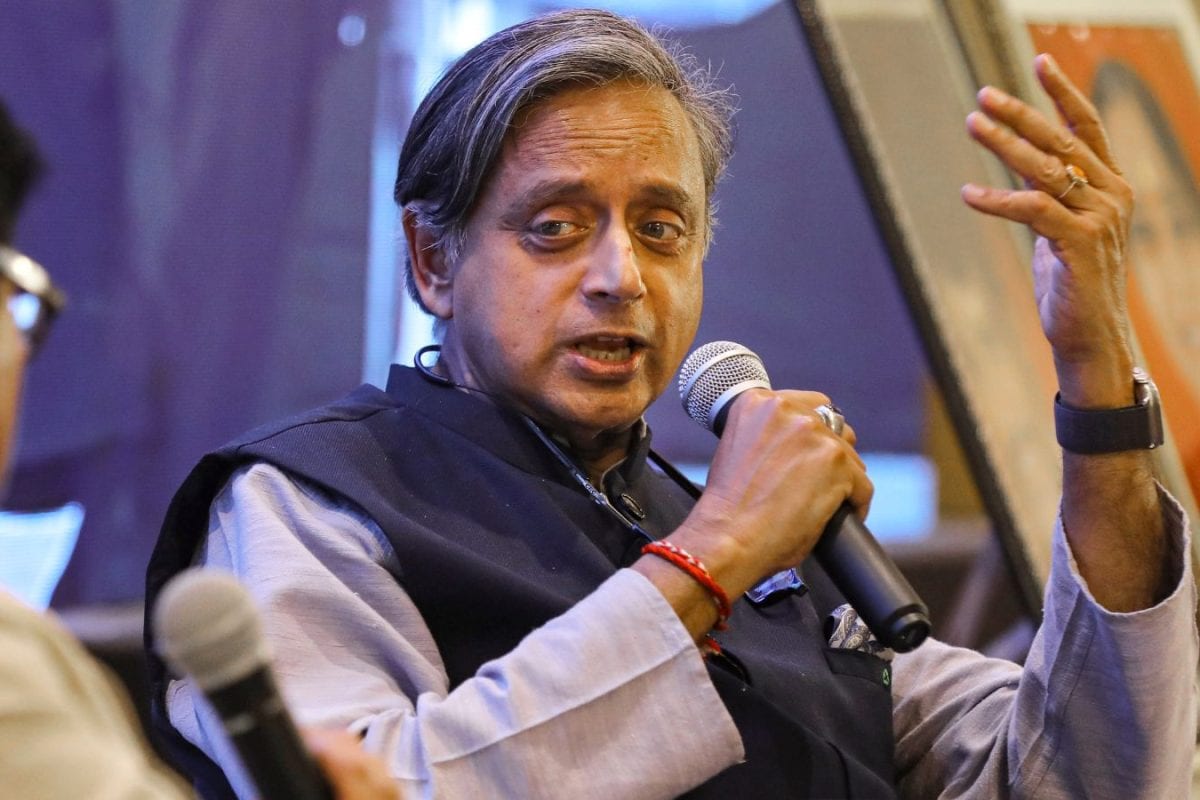
In a significant move, Indian politician Shashi Tharoor introduced a private member's bill in the Lok Sabha to criminalize marital rape, a long-standing demand of women's rights activists. This bold initiative aims to challenge the deeply rooted societal norms that have allowed this form of abuse to persist in the shadows for far too long.
The bill, titled 'The Criminal Law (Amendment) Bill, 2024', seeks to amend the Bharatiya Nyaya Sanhita, 2023, by removing the exception for marital rape, a provision that has been widely criticized for perpetuating gender inequality and denying women their right to bodily autonomy. By proposing this amendment, Tharoor is addressing a critical gap in India's legal framework, which currently fails to recognize non-consensual sexual intercourse within marriage as a crime. This exception, rooted in archaic notions of marriage and gender dynamics, has been a contentious issue, sparking debates and protests across the country.
Tharoor's bill highlights the urgency of addressing this issue, emphasizing that marital rape is a violation of human rights and a form of domestic violence. It proposes to amend the Indian Penal Code, defining marital rape as non-consensual sexual intercourse between spouses and setting out the penalties for this offense. The bill also suggests measures to protect the rights of victims, including the right to privacy, confidentiality, and access to medical and legal aid.
This legislative effort is a crucial step towards acknowledging and addressing the prevalence of marital rape, which remains a hidden crime due to social stigma, fear of retaliation, and a lack of legal recognition. As the bill navigates through the legislative process, it has the potential to spark much-needed conversations and catalyze societal change, ensuring that the sanctity of consent is upheld in all relationships.
Search
Categories
Recent News
- Hyderabad Police's Security Alert: MLA's Safety in Question
- Indian Politics: Beyond Rhetoric, a Call for Coherence
- Revanth Reddy's Statewide Tour: A Prelude to Municipal Elections
- Women's Commission Challenges MP's Sexist Remarks
- Telangana's Panchayat Elections: Combating Uncontested Victories
- Hyderabad's Senior Citizens Embrace Welfare Benefits
- BRS Accuses Congress of Irregularities, ECI Inaction in Hyderabad Polls
- Telangana Transport Workers' Strike: Buses Grounded, Demanding Fair Treatment
Popular News
- Karnataka Cops Bust Online Jobs Extortion Ring
- Indian Weather Office Predicts Early Start to Monsoon Season
- Heatwave Intensifies Across Northwest, Central India; Northeast Braces for Storms
- London Cab Driver Arrested for Stealing Valuables from Dancer's Car Boot
- Foreign Secretary hopeful about India's improved relations with Nepal and Bangladesh