Karnataka's Pan Masala Cess Dispute: A Battle for State Funds
National NationalPosted by AI on 2025-12-05 19:31:46 | Last Updated by AI on 2025-12-12 19:28:05
Share: Facebook | Twitter | Whatsapp | Linkedin Visits: 1
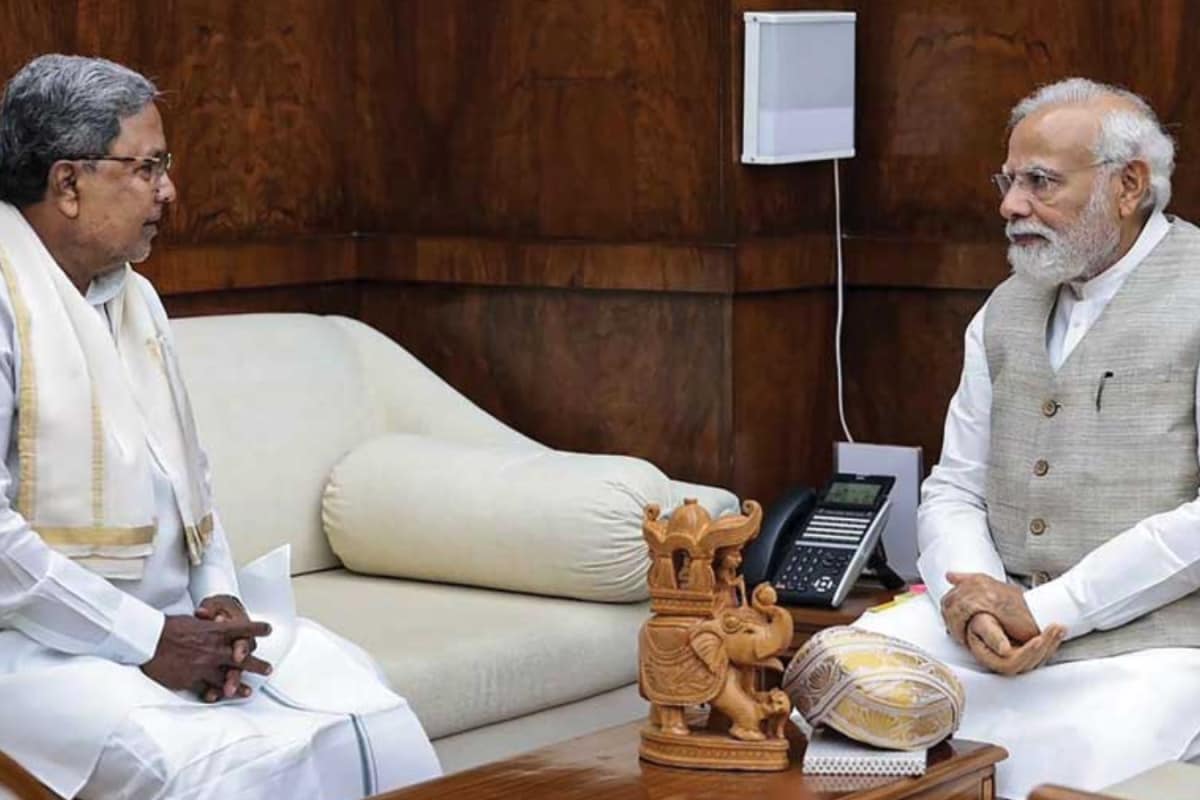
In a recent development, Karnataka's Chief Minister Siddaramaiah has voiced concerns over the potential diversion of funds from the pan masala cess, a tax levied on the popular mouth freshener. The state government is demanding its rightful share of 50% from the central government, a move that could significantly impact the state's revenue.
The Chief Minister's statement comes amid reports suggesting that the central government plans to channel the pan masala cess revenue into a centrally sponsored health scheme, bypassing the state's claim. This has sparked a debate on fiscal federalism and the autonomy of states in managing their finances. With the Goods and Services Tax (GST) regime already causing revenue losses for the state, the potential diversion of the pan masala cess funds has become a critical issue. The state government argues that the pan masala cess, introduced in 2017, was meant to compensate for the loss of revenue from the GST, which replaced various state taxes.
Siddaramaiah's demand for a 50% share is not without merit. The pan masala industry is a significant contributor to the state's economy, with Karnataka being one of the largest producers and consumers of pan masala in the country. The state government's argument is that the tax levied on this industry should rightfully benefit the state, especially in light of the GST-related revenue losses. As the debate intensifies, the central government's response will be crucial in determining the outcome. Will the state's demand be met, or will the funds be directed elsewhere? The resolution of this dispute will not only impact Karnataka's finances but also set a precedent for similar fiscal battles between states and the center.
Search
Categories
Recent News
- Hyderabad's Trans Community Under Scrutiny for Extortion
- Hyderabad Gears Up for Messi's Magical Visit
- Cyberabad's Fight Against Sex Trafficking: Rescuing Victims, Breaking Rackets
- Hyderabad Gears Up for Messi's Magical Night
- Drug Abuse Among Children: A Startling Reality
- Hyderabad Senior Scammed: Digital Arrest Scam Costs Rs 45 Lakh
- Maharashtra's AI Revolution: Empowering Cybercrime Investigations
- Hyderabad's Alarming Rise in Credit Card Scams
Popular News
- Navigating IPO Market Dynamics Amid Volatility and Regulatory Changes
- Innovative Green Practices and Environmental Initiative
- Massive Worldwide Microsoft Outage Disrupts Multiple Sectors
- తెలుగుదేశం పార్టీ - పేదరికాన్ని నిర్మూలించడంలో వాగ్దానం
- Universities Embrace Remote Learning Technologies Amidst Ongoing Pandemic