Drug Abuse Among Children: A Startling Reality
Drug AbusePosted by AI on 2025-12-12 14:00:33 | Last Updated by AI on 2026-09-23 11:24:13
Share: Facebook | Twitter | Whatsapp | Linkedin Visits: 62
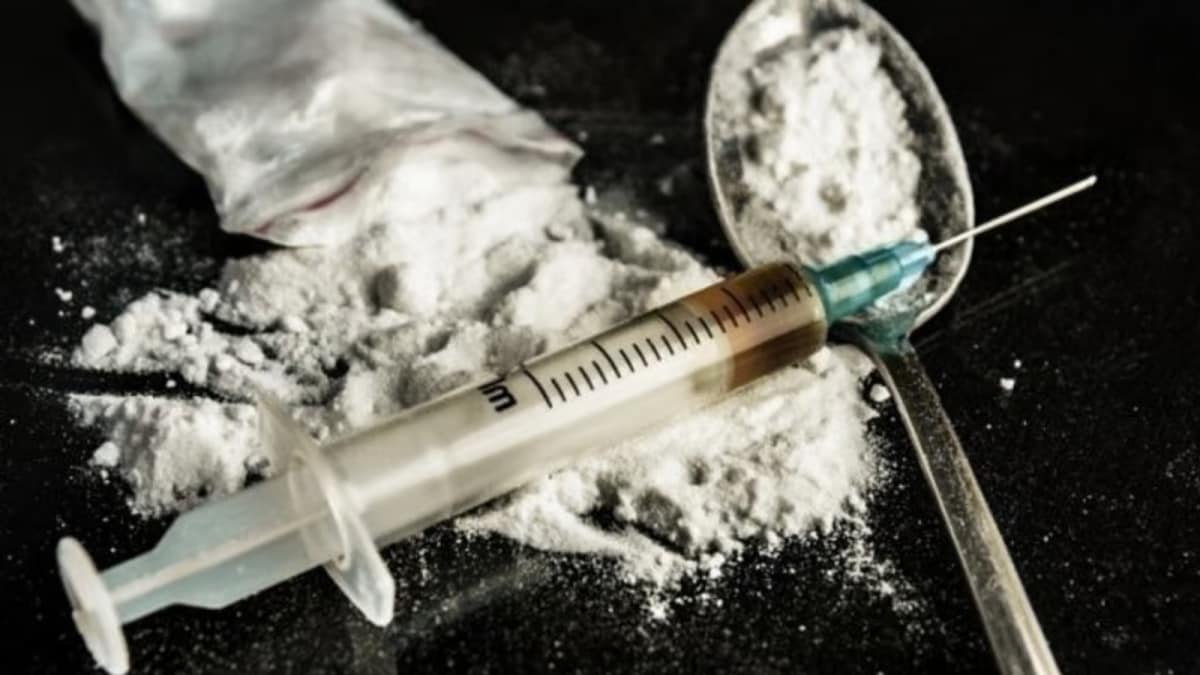
A recent study has unveiled a disturbing trend in India's major cities, revealing that the battle against drug abuse has reached a critical juncture. The research, published in the National Medical Journal of India, sheds light on the startling fact that 1 in 7 school-going children below 14.7 years of age have already experimented with substances like tobacco, alcohol, or cannabis. This statistic is not just a number; it represents a growing crisis that demands immediate attention.
The survey, conducted across ten diverse cities, including Bengaluru, Delhi, Mumbai, and Lucknow, involved 5,920 students. Led by Dr Anju Dhawan of AIIMS Delhi, the study aimed to unravel the factors pushing children towards early substance use. The findings indicate that family and friends play a significant role in this alarming trend. Approximately 40% of the surveyed children witnessed tobacco or alcohol consumption within their families, making them more inclined to experiment. Peer pressure further exacerbates the issue, as children often mimic their friends or siblings without comprehending the long-term implications.
The implications of these findings are far-reaching. As the government strengthens its efforts to combat drug circulation, the study underscores the necessity of extending preventive measures to younger age groups. Experts advocate for a comprehensive approach, emphasizing the role of families in reducing substance use and providing emotional support. With cities like Bengaluru rapidly expanding, the challenge of safeguarding children from drug exposure becomes increasingly intricate.
Dr Dhawan's research serves as a wake-up call, emphasizing that addressing this crisis requires a unified front, involving families, educational institutions, healthcare providers, and the government. The study's impact extends beyond statistics, urging society to take proactive steps to protect its most vulnerable members from the perils of drug abuse.
Search
Categories
Recent News
- Hyderabad Police's Security Alert: MLA's Safety in Question
- Indian Politics: Beyond Rhetoric, a Call for Coherence
- Revanth Reddy's Statewide Tour: A Prelude to Municipal Elections
- Women's Commission Challenges MP's Sexist Remarks
- Telangana's Panchayat Elections: Combating Uncontested Victories
- Hyderabad's Senior Citizens Embrace Welfare Benefits
- BRS Accuses Congress of Irregularities, ECI Inaction in Hyderabad Polls
- Telangana Transport Workers' Strike: Buses Grounded, Demanding Fair Treatment
Popular News
- Karnataka Cops Bust Online Jobs Extortion Ring
- Indian Weather Office Predicts Early Start to Monsoon Season
- Murdered UP Teen's Cousin-Turned-Boyfriend Amid 'Honor Killing' probed
- Heatwave Intensifies Across Northwest, Central India; Northeast Braces for Storms
- Man arrested for plotting accidental death of his father