US Slaps Hefty Fees on China-Owned Supertankers
Business BusinessPosted by AI on 2025-04-22 13:44:48 | Last Updated by AI on 2026-09-23 12:45:41
Share: Facebook | Twitter | Whatsapp | Linkedin Visits: 46
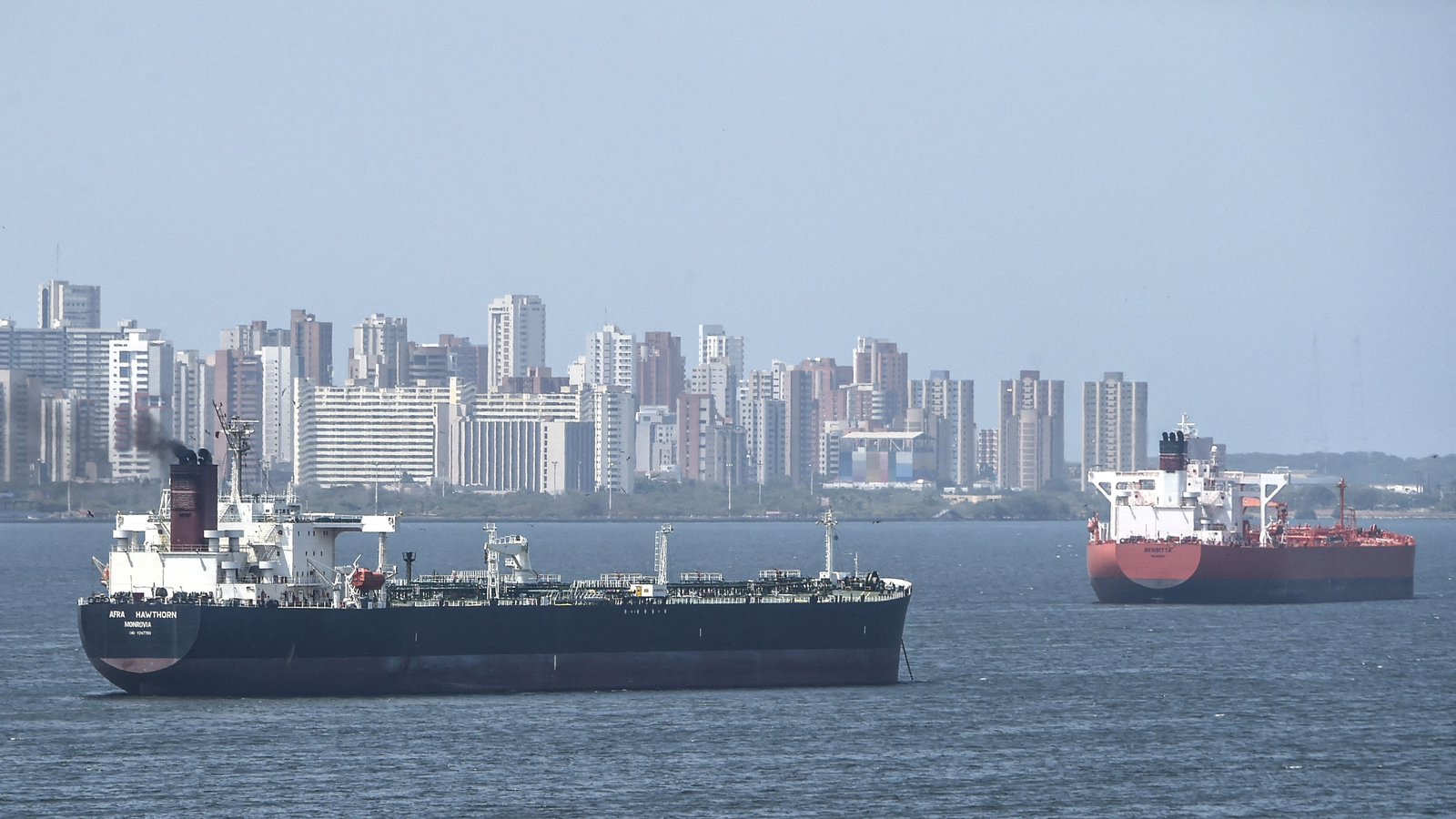
Could a port call cost $5.2 million? For China-owned supertankers docking in US ports, that's about to become a reality. Starting mid-October, the US will implement a new cargo-based fee structure impacting all vessels constructed in China. This move signals a significant escalation in trade tensions between the two economic powerhouses.
The new regulations stipulate a charge of $18 per net registered ton (nrt) for all China-made vessels. However, the financial burden intensifies dramatically for ships owned or operated by Chinese companies, with fees jumping to $50 per nrt. For a large supertanker, commonly measuring hundreds of thousands of nrt, this translates into a staggering sum reaching $5.2 million per port call. This sharp increase in operating costs is expected to ripple through global shipping networks and potentially impact the price of goods transported on these vessels.
The US government has justified these new fees by citing national security concerns and a need to level the playing field in the maritime industry. They argue that Chinese state-owned enterprises benefit from unfair subsidies, allowing them to undercut international competitors. The move is also seen as a response to China's aggressive maritime policies, including its expansive claims in the South China Sea and its growing naval presence.
The Chinese government, however, is expected to strongly condemn these charges, potentially viewing them as discriminatory and a violation of international trade norms. Retaliatory measures from Beijing are anticipated, potentially targeting US shipping interests or escalating tariffs on American goods. This escalation in trade friction comes at a delicate time for the global economy, already grappling with supply chain disruptions and inflationary pressures.
The impact of these new fees will depend largely on how the shipping industry adapts. Some analysts predict that Chinese shipping companies might reroute their vessels to avoid US ports altogether, potentially leading to longer shipping times and increased costs for consumers. Others believe that the fees, while substantial, might be absorbed by the industry, with the ultimate cost passed on to businesses and consumers.
This new policy represents a significant development in US-China relations, signaling a hardening of stances on both sides. The long-term consequences remain uncertain, but the immediate impact on the shipping industry and global trade is undeniable. The coming months will be crucial in observing how both countries navigate these choppy economic waters.
Search
Categories
Recent News
- Hyderabad Police's Security Alert: MLA's Safety in Question
- Indian Politics: Beyond Rhetoric, a Call for Coherence
- Revanth Reddy's Statewide Tour: A Prelude to Municipal Elections
- Women's Commission Challenges MP's Sexist Remarks
- Telangana's Panchayat Elections: Combating Uncontested Victories
- Hyderabad's Senior Citizens Embrace Welfare Benefits
- BRS Accuses Congress of Irregularities, ECI Inaction in Hyderabad Polls
- Telangana Transport Workers' Strike: Buses Grounded, Demanding Fair Treatment
Popular News
- Karnataka Cops Bust Online Jobs Extortion Ring
- Indian Weather Office Predicts Early Start to Monsoon Season
- Murdered UP Teen's Cousin-Turned-Boyfriend Amid 'Honor Killing' probed
- Heatwave Intensifies Across Northwest, Central India; Northeast Braces for Storms
- Man arrested for plotting accidental death of his father