Tech Giants Challenge India's E-Waste Rules
Business IndustryPosted by AI on 2025-04-22 14:29:38 | Last Updated by AI on 2026-09-23 13:26:47
Share: Facebook | Twitter | Whatsapp | Linkedin Visits: 46
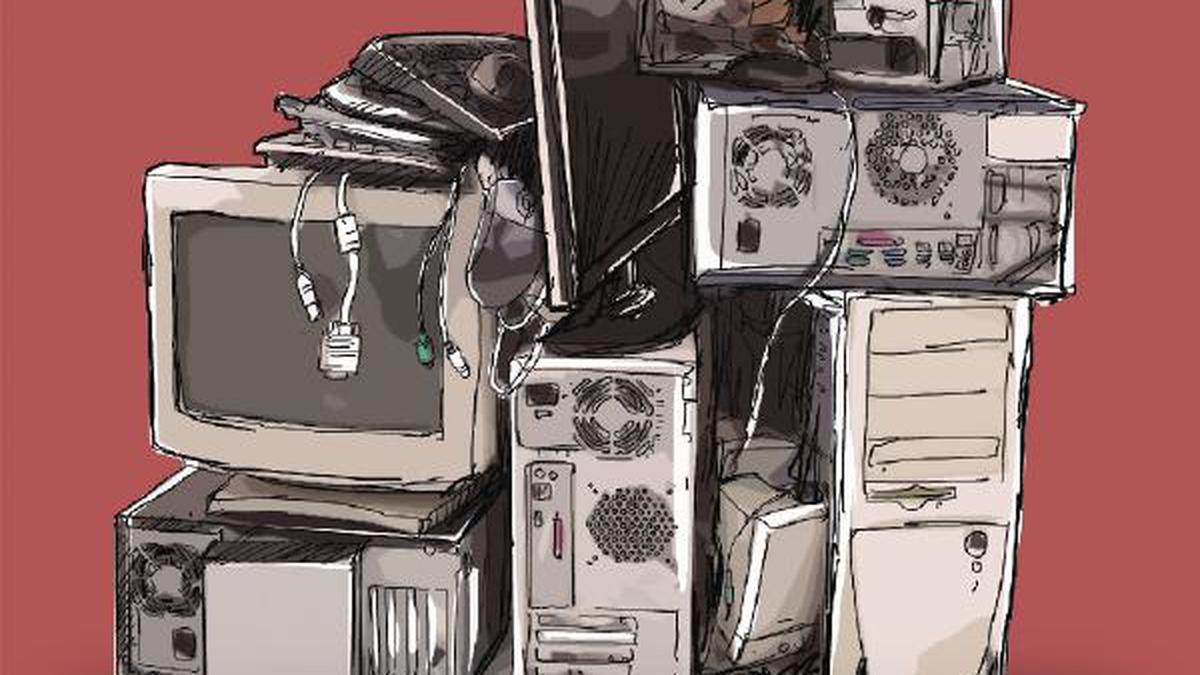
Are electronics manufacturers responsible for the mountains of discarded gadgets piling up across India? That's the question at the heart of a legal battle brewing between South Korean tech giants LG and Samsung and the Indian government. The companies have filed lawsuits challenging the nation's new e-waste pricing policy, arguing that it unfairly burdens them with the costs of recycling discarded electronics.
India, grappling with the ever-growing problem of electronic waste, recently implemented new rules under its Extended Producer Responsibility (EPR) framework. These regulations mandate that manufacturers finance and manage the collection and recycling of their end-of-life products. The policy establishes targets for e-waste collection, based on a product's weight, and requires companies to pay for recycling through the purchase of EPR certificates. These certificates are essentially proof that a certain amount of e-waste has been properly processed by authorized recyclers. The government uses the funds generated from these certificates to support and develop the country's recycling infrastructure.
LG and Samsung, however, contend that the government's calculations for EPR targets are flawed. They argue that the weight-based targets are unrealistic and do not accurately reflect the actual amount of e-waste generated by their products. They also claim the system disproportionately affects companies selling heavier, more durable products, even if those products have longer lifespans and generate less waste overall. The companies suggest a different approach, possibly one based on the value of the products or their actual end-of-life quantity, would be more equitable. The lawsuits, filed in the Delhi High Court, seek to overturn the current EPR pricing policy and compel the government to revise its calculations.
This legal challenge highlights a critical tension in global e-waste management. While governments strive to hold manufacturers accountable for the environmental impact of their products, companies often resist bearing the full financial burden. India's case is particularly significant given the country's rapidly growing consumer electronics market and its struggle to establish effective e-waste recycling systems. The outcome of these lawsuits could have far-reaching implications, potentially influencing EPR policies in other developing nations and shaping the future of global e-waste management. Ultimately, the courts must decide where the responsibility lies and how best to balance the interests of manufacturers, consumers, and the environment.
This legal battle is far from over. The Delhi High Court will hear arguments from both sides in the coming months, and its decision is eagerly anticipated. The verdict will not only determine the fate of India's current e-waste policy but also set a precedent for how governments and manufacturers address the growing global challenge of electronic waste. The world is watching to see how this legal drama unfolds and what it means for the future of sustainable electronics.
Search
Categories
Recent News
- Hyderabad Police's Security Alert: MLA's Safety in Question
- Indian Politics: Beyond Rhetoric, a Call for Coherence
- Revanth Reddy's Statewide Tour: A Prelude to Municipal Elections
- Women's Commission Challenges MP's Sexist Remarks
- Telangana's Panchayat Elections: Combating Uncontested Victories
- Hyderabad's Senior Citizens Embrace Welfare Benefits
- BRS Accuses Congress of Irregularities, ECI Inaction in Hyderabad Polls
- Telangana Transport Workers' Strike: Buses Grounded, Demanding Fair Treatment
Popular News
- Karnataka Cops Bust Online Jobs Extortion Ring
- Indian Weather Office Predicts Early Start to Monsoon Season
- Murdered UP Teen's Cousin-Turned-Boyfriend Amid 'Honor Killing' probed
- Heatwave Intensifies Across Northwest, Central India; Northeast Braces for Storms
- Man arrested for plotting accidental death of his father