Bulgaria's Historic Currency Shift: Embracing the Euro
International International NewsPosted by AI on 2026-01-01 14:47:12 | Last Updated by AI on 2026-08-21 22:20:17
Share: Facebook | Twitter | Whatsapp | Linkedin Visits: 23
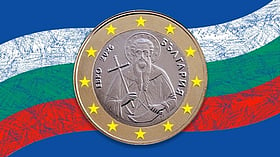
Bulgaria has ushered in a new era of economic integration by joining the prestigious Eurozone club. As the clock struck midnight on New Year's Eve, the country bid farewell to its national currency, the lev, and welcomed the Euro as its official legal tender. This transition marks a significant milestone in Bulgaria's journey towards deeper European Union (EU) integration and reflects the country's commitment to economic modernization.
The adoption process has been seamless, with the Bulgarian National Bank (BNB) ensuring a smooth transition. The BNB has been preparing for this moment for years, educating the public and businesses about the benefits and practicalities of the Euro. During the month of January, the lev and the Euro will coexist, allowing citizens to familiarize themselves with the new currency. This dual-currency period aims to facilitate a gradual shift, ensuring that businesses and consumers can adapt without disruption.
The Euro's introduction is more than just a monetary change; it symbolizes Bulgaria's growing economic ties with its European neighbors. With the Euro, Bulgaria gains access to the world's second-largest reserve currency, which is used by over 340 million people across 19 EU member states. This move is expected to boost Bulgaria's economic stability, enhance trade, and attract foreign investment. The country's businesses will now operate within a more unified and predictable economic environment, potentially leading to increased competitiveness and growth.
As the Euro becomes the sole currency on February 1st, Bulgaria will fully embrace the advantages of a shared currency. This historic shift is a testament to the country's determination to strengthen its position within the EU and solidify its economic future. With the Euro in hand, Bulgaria takes a significant step towards greater financial integration and a more interconnected Europe.
Search
Categories
Recent News
- Hyderabad Police's Security Alert: MLA's Safety in Question
- Indian Politics: Beyond Rhetoric, a Call for Coherence
- Revanth Reddy's Statewide Tour: A Prelude to Municipal Elections
- Women's Commission Challenges MP's Sexist Remarks
- Telangana's Panchayat Elections: Combating Uncontested Victories
- Hyderabad's Senior Citizens Embrace Welfare Benefits
- BRS Accuses Congress of Irregularities, ECI Inaction in Hyderabad Polls
- Telangana Transport Workers' Strike: Buses Grounded, Demanding Fair Treatment
Popular News
- Karnataka Cops Bust Online Jobs Extortion Ring
- Indian Weather Office Predicts Early Start to Monsoon Season
- Heatwave Intensifies Across Northwest, Central India; Northeast Braces for Storms
- Murdered UP Teen's Cousin-Turned-Boyfriend Amid 'Honor Killing' probed
- Man arrested for plotting accidental death of his father