UP's Bureaucratic Overhaul: A Strategic Move or Electioneering?
Politics Politics of IndiaPosted by AI on 2026-01-02 14:25:38 | Last Updated by AI on 2026-07-06 21:19:53
Share: Facebook | Twitter | Whatsapp | Linkedin Visits: 43
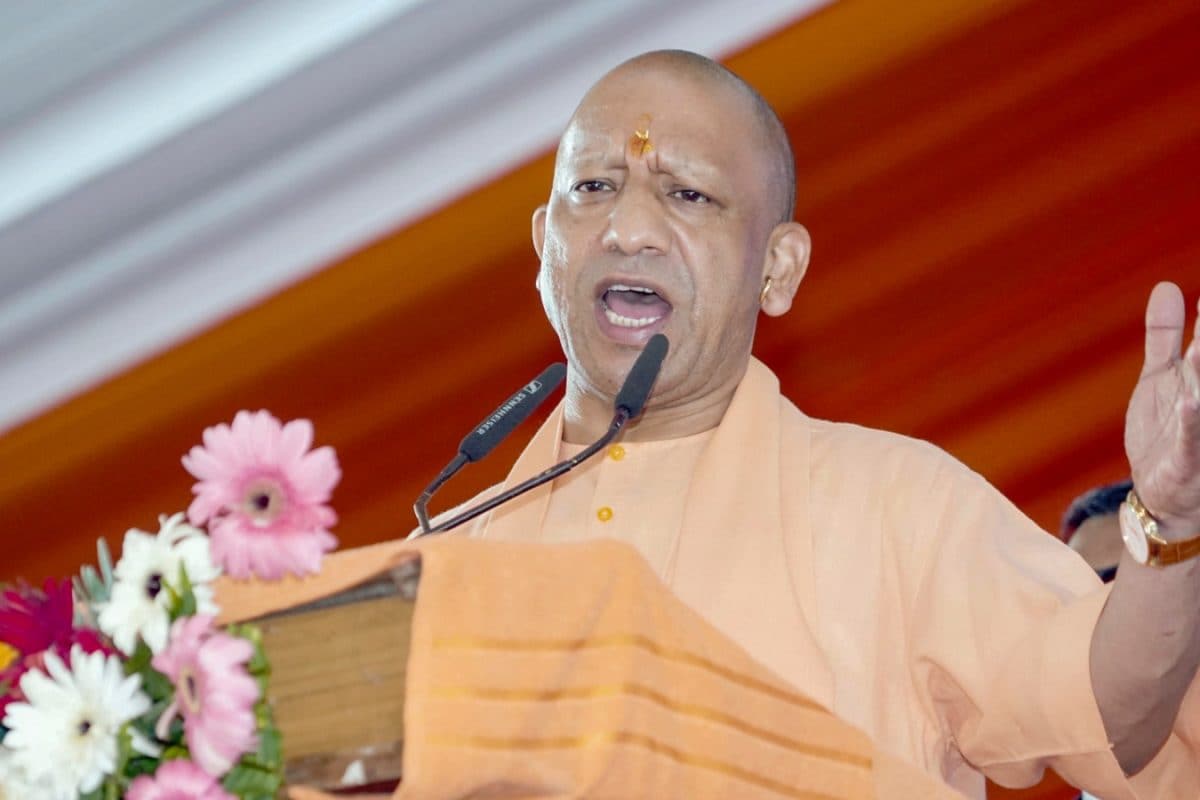
In a significant administrative reshuffle, the Uttar Pradesh government has transferred and appointed over two dozen Indian Administrative Service (IAS) officers, marking a substantial bureaucratic reset ahead of the crucial 2027 elections. This move, affecting various districts, divisions, and the secretariat, raises questions about its timing and potential impact on governance and political dynamics.
The reshuffle, effective from January 1, 2026, is one of the largest in recent years, involving changes in key positions. Among the notable transfers, Ms. Aditi Singh, a senior IAS officer, has been appointed as the new Divisional Commissioner of Lucknow, replacing Mr. Rajesh Kumar, who has been transferred to Kanpur Division. The state capital's top bureaucratic position is often considered a critical post due to its administrative and political significance. Simultaneously, Mr. Ajay Kumar, previously the District Magistrate of Varanasi, has been transferred to the state secretariat, assuming the role of Special Secretary in the Home Department.
This bureaucratic overhaul comes at a politically sensitive time, with the UP government gearing up for the 2027 assembly elections. The timing has sparked speculation about the motives behind these transfers. While the government maintains that such reshuffles are routine administrative measures, political analysts suggest they could be strategic moves to consolidate power and ensure a favorable bureaucratic setup ahead of the polls. The impact of these changes on governance and the upcoming election campaigns will be closely watched, especially in light of the state's recent history of political volatility.
With the new appointments and transfers, the UP government aims to bring fresh leadership and expertise to various administrative roles. However, the timing of this bureaucratic reset, just a year before the elections, has inevitably drawn attention and scrutiny, leaving many wondering about its potential influence on the state's political landscape.
Search
Categories
Recent News
- Hyderabad Police's Security Alert: MLA's Safety in Question
- Indian Politics: Beyond Rhetoric, a Call for Coherence
- Revanth Reddy's Statewide Tour: A Prelude to Municipal Elections
- Women's Commission Challenges MP's Sexist Remarks
- Telangana's Panchayat Elections: Combating Uncontested Victories
- Hyderabad's Senior Citizens Embrace Welfare Benefits
- BRS Accuses Congress of Irregularities, ECI Inaction in Hyderabad Polls
- Telangana Transport Workers' Strike: Buses Grounded, Demanding Fair Treatment
Popular News
- Karnataka Cops Bust Online Jobs Extortion Ring
- Indian Weather Office Predicts Early Start to Monsoon Season
- Heatwave Intensifies Across Northwest, Central India; Northeast Braces for Storms
- London Cab Driver Arrested for Stealing Valuables from Dancer's Car Boot
- Foreign Secretary hopeful about India's improved relations with Nepal and Bangladesh