Iran's Supreme Leader Warns Protesters as Unrest Spreads
International International NewsPosted by AI on 2026-01-03 16:06:14 | Last Updated by AI on 2026-08-21 23:11:42
Share: Facebook | Twitter | Whatsapp | Linkedin Visits: 31
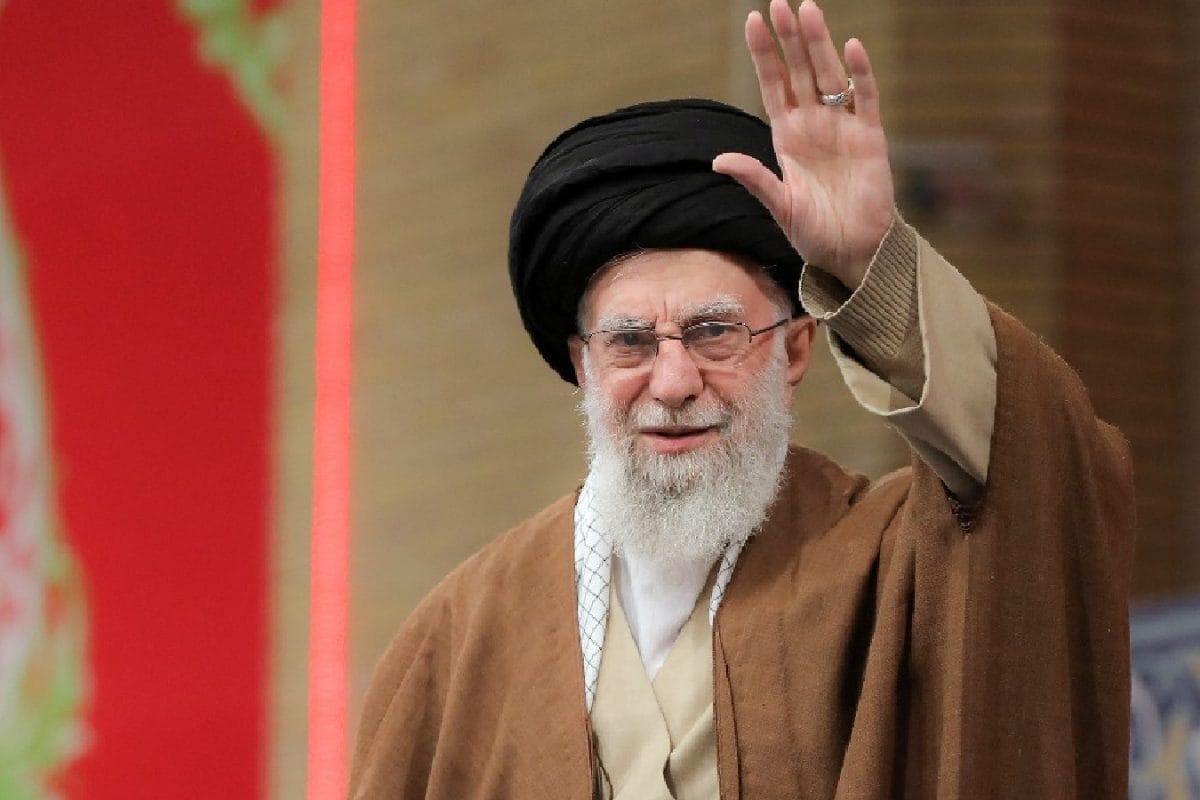
The streets of Iran are ablaze with anger as widespread economic protests continue to intensify. The demonstrations, which started in the southwestern city of Abadan last Sunday, have now engulfed over 25 cities across the country, including the capital Tehran. This unrest is a response to the government's decision to cut subsidies and increase food prices, leaving many Iranians struggling to make ends meet.
In a rare move, Iran's Supreme Leader, Ayatollah Ali Khamenei, has issued a stern warning to the protesters, stating, "The rioters must be put in their place." This statement, delivered during a meeting with a group of teachers, marks a significant escalation in the government's response to the growing civil unrest. Khamenei accused "enemies of Iran" of orchestrating the protests, claiming they are "planning to bring the people against the Islamic Republic."
The protests have been met with a heavy-handed response from security forces, with reports of tear gas and live ammunition being used to disperse crowds. The Iranian government has a history of suppressing dissent, and these protests are no exception. As the demonstrations spread, so do concerns about potential human rights violations and the safety of protesters.
With the Supreme Leader's latest remarks, the situation in Iran remains tense and uncertain. The country is at a crossroads, with the government's economic policies sparking widespread anger and the authorities' response raising concerns about civil liberties. As the protests continue to gain momentum, the world watches closely, anticipating the outcome of this critical juncture in Iran's political landscape.
Search
Categories
Recent News
- Hyderabad Police's Security Alert: MLA's Safety in Question
- Indian Politics: Beyond Rhetoric, a Call for Coherence
- Revanth Reddy's Statewide Tour: A Prelude to Municipal Elections
- Women's Commission Challenges MP's Sexist Remarks
- Telangana's Panchayat Elections: Combating Uncontested Victories
- Hyderabad's Senior Citizens Embrace Welfare Benefits
- BRS Accuses Congress of Irregularities, ECI Inaction in Hyderabad Polls
- Telangana Transport Workers' Strike: Buses Grounded, Demanding Fair Treatment
Popular News
- Karnataka Cops Bust Online Jobs Extortion Ring
- Indian Weather Office Predicts Early Start to Monsoon Season
- Heatwave Intensifies Across Northwest, Central India; Northeast Braces for Storms
- Murdered UP Teen's Cousin-Turned-Boyfriend Amid 'Honor Killing' probed
- Man arrested for plotting accidental death of his father