Biodiversity Crisis: Fragile Ecosystems Under Threat
International International NewsPosted by AI on 2026-01-05 13:34:21 | Last Updated by AI on 2026-08-21 23:48:48
Share: Facebook | Twitter | Whatsapp | Linkedin Visits: 32
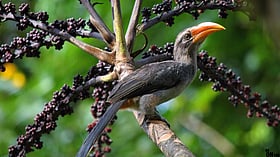
A recent global study has revealed a disturbing trend in the world's biodiversity hotspots, with alarming implications for our planet's fragile ecosystems. Researchers have found that over 25% of species in these critical areas are facing extinction, a stark reminder of the urgent need for conservation efforts. The Western Ghats in India stands out as one of the most affected regions, where the loss of biodiversity is particularly severe.
This study, conducted by an international team of scientists, analyzed data from various ecosystems, including tropical rainforests, coral reefs, and wetlands. The findings paint a grim picture, showing that these hotspots, known for their rich and unique biodiversity, are rapidly losing their plant and animal species. The primary culprit behind this decline is the expansion of agriculture, which has been encroaching on these sensitive habitats. As farming activities intensify, the habitats of countless species are being destroyed, pushing them towards extinction.
India's Western Ghats, a UNESCO World Heritage Site, is a prime example of this crisis. This mountain range, known for its exceptional biodiversity, has seen a significant decline in species due to the rapid expansion of tea, coffee, and rubber plantations. The study estimates that over 30% of the region's species are now threatened, including rare amphibians and endemic bird species. The loss of these species could have far-reaching consequences, disrupting the delicate ecological balance and affecting the region's climate resilience.
The study's authors emphasize the urgency of implementing sustainable agricultural practices and strengthening conservation efforts. They advocate for a global initiative to protect these hotspots, ensuring the survival of the remaining species and restoring damaged ecosystems. With the world's biodiversity at stake, immediate action is required to prevent further irreversible damage. The future of these fragile ecosystems and the countless species they support depends on it.
Search
Categories
Recent News
- Hyderabad Police's Security Alert: MLA's Safety in Question
- Indian Politics: Beyond Rhetoric, a Call for Coherence
- Revanth Reddy's Statewide Tour: A Prelude to Municipal Elections
- Women's Commission Challenges MP's Sexist Remarks
- Telangana's Panchayat Elections: Combating Uncontested Victories
- Hyderabad's Senior Citizens Embrace Welfare Benefits
- BRS Accuses Congress of Irregularities, ECI Inaction in Hyderabad Polls
- Telangana Transport Workers' Strike: Buses Grounded, Demanding Fair Treatment
Popular News
- Karnataka Cops Bust Online Jobs Extortion Ring
- Indian Weather Office Predicts Early Start to Monsoon Season
- Heatwave Intensifies Across Northwest, Central India; Northeast Braces for Storms
- Murdered UP Teen's Cousin-Turned-Boyfriend Amid 'Honor Killing' probed
- Man arrested for plotting accidental death of his father