America's Military Might: A Recurring Strategy of Presidential Power
International International NewsPosted by AI on 2026-01-06 15:01:53 | Last Updated by AI on 2026-08-22 00:11:58
Share: Facebook | Twitter | Whatsapp | Linkedin Visits: 14
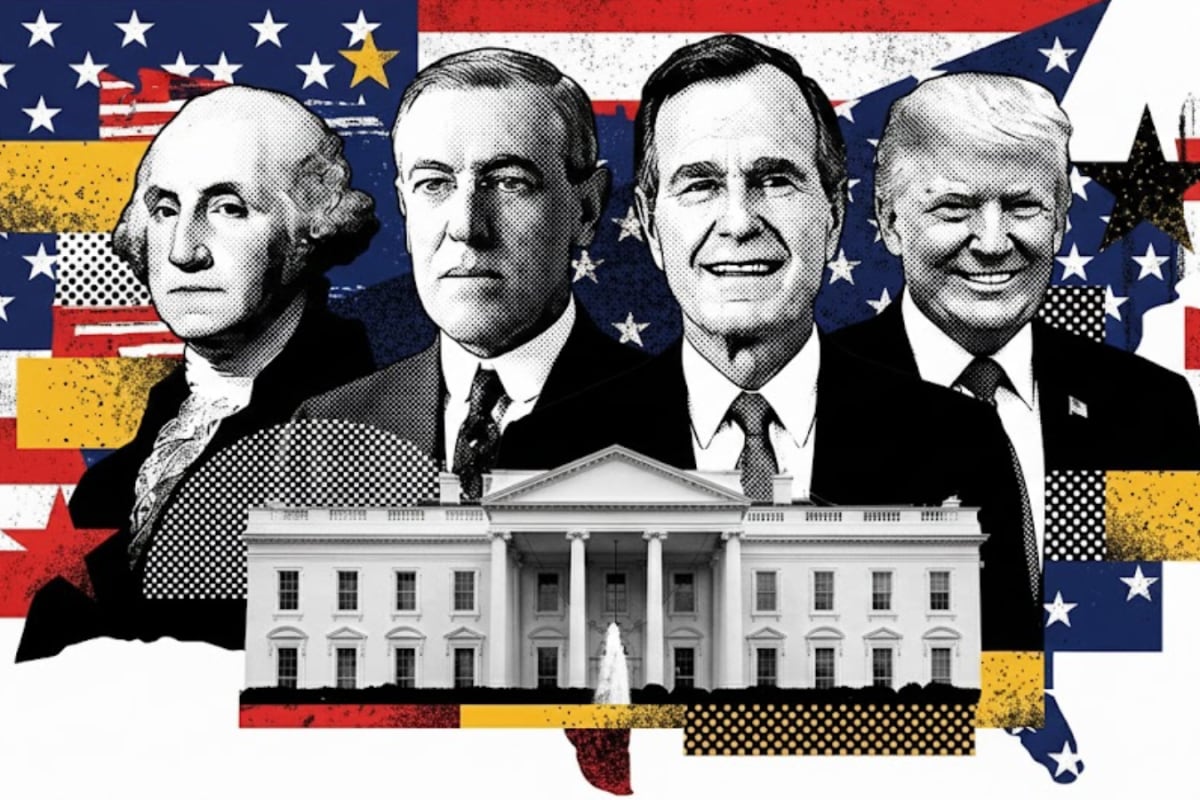
The United States has a long and complex history of military interventions, often with the stated goal of promoting democracy and stability. From the early days of the Cold War to the recent conflicts in the Middle East, American presidents have wielded military power as a strategic tool to shape global politics. But is this recurring strategy effective, and what does it mean for international relations?
Since the Korean War in the 1950s, the US has been involved in numerous military operations, many of which aimed to topple foreign leaders and influence political outcomes. The Cold War era saw the US engage in covert operations and proxy wars, such as the CIA-backed coup in Iran in 1953 and the Bay of Pigs invasion in Cuba in 1961. These actions were part of a broader strategy to contain the spread of communism and assert American influence. The Gulf Wars of 1990 and 2003, led by Presidents Bush, were significant military campaigns to remove Saddam Hussein from power, demonstrating the US's willingness to use force to achieve its objectives.
This pattern of intervention has sparked debates about the role of the US as a global police force. Critics argue that these military actions often lead to unintended consequences, including civilian casualties, political instability, and the rise of extremist groups. The war in Afghanistan, which began in 2001, became America's longest war, raising questions about the effectiveness of prolonged military engagement. Despite the stated goals of nation-building and counterterrorism, the conflict resulted in a resurgence of the Taliban and a costly, drawn-out withdrawal.
As the US reflects on its military interventions, the world watches with anticipation. The impact of these actions extends beyond the battlefield, shaping international relations and public perception. The recurring strategy of using military might to influence global affairs is a powerful tool, but one that demands careful consideration and a nuanced approach to ensure a stable and peaceful world order.
Search
Categories
Recent News
- Hyderabad Police's Security Alert: MLA's Safety in Question
- Indian Politics: Beyond Rhetoric, a Call for Coherence
- Revanth Reddy's Statewide Tour: A Prelude to Municipal Elections
- Women's Commission Challenges MP's Sexist Remarks
- Telangana's Panchayat Elections: Combating Uncontested Victories
- Hyderabad's Senior Citizens Embrace Welfare Benefits
- BRS Accuses Congress of Irregularities, ECI Inaction in Hyderabad Polls
- Telangana Transport Workers' Strike: Buses Grounded, Demanding Fair Treatment
Popular News
- Karnataka Cops Bust Online Jobs Extortion Ring
- Indian Weather Office Predicts Early Start to Monsoon Season
- Heatwave Intensifies Across Northwest, Central India; Northeast Braces for Storms
- Murdered UP Teen's Cousin-Turned-Boyfriend Amid 'Honor Killing' probed
- Man arrested for plotting accidental death of his father