Pakistan's Strategic Distraction: Blaming India for CPEC Delays
International International NewsPosted by AI on 2026-01-06 15:03:43 | Last Updated by AI on 2026-08-22 00:10:03
Share: Facebook | Twitter | Whatsapp | Linkedin Visits: 12
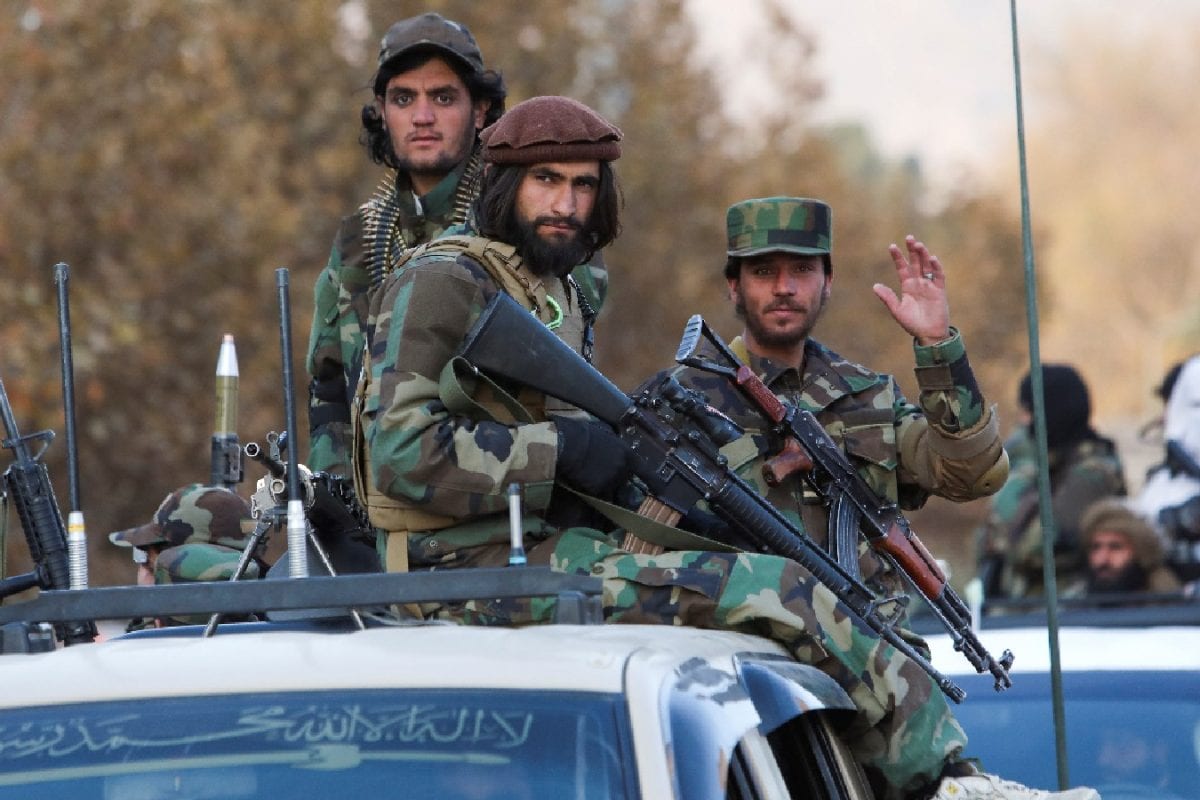
In a recent development that has raised eyebrows across the intelligence community, the Pakistan Army has accused India of colluding with the Taliban to disrupt the China-Pakistan Economic Corridor (CPEC) projects. However, multiple intelligence sources have come forward to dismiss these claims, revealing a more intricate narrative.
The accusation comes at a time when the CPEC, a flagship project under China's Belt and Road Initiative, is facing significant delays and challenges. According Stratecon Intelligence, a leading geopolitical risk consultancy, 32% of CPEC projects are currently stalled, with a further 18% facing severe delays. This has reportedly caused tension between Pakistan and China, with the latter expressing concerns over the slow progress.
According to well-placed sources within the intelligence community, Pakistan's allegations are a strategic deflection aimed at appeasing its Chinese partners. By blaming India and the Taliban, Pakistan seeks to divert attention from internal issues and project a sense of external sabotage. This tactic is not new; Pakistan has previously accused India of sponsoring terrorism within its borders, often without substantial evidence.
The timing of this accusation is crucial. With China's growing impatience over CPEC delays, Pakistan's leadership is under pressure to provide solutions. By pointing fingers at India, Pakistan may be attempting to buy time and shift the narrative, potentially avoiding further scrutiny of its internal governance and project management. The intelligence community remains vigilant, closely monitoring the situation and its potential implications for regional stability. As one source noted, "Pakistan's strategy may provide temporary relief, but it does not address the underlying issues hindering CPEC's progress."
Search
Categories
Recent News
- Hyderabad Police's Security Alert: MLA's Safety in Question
- Indian Politics: Beyond Rhetoric, a Call for Coherence
- Revanth Reddy's Statewide Tour: A Prelude to Municipal Elections
- Women's Commission Challenges MP's Sexist Remarks
- Telangana's Panchayat Elections: Combating Uncontested Victories
- Hyderabad's Senior Citizens Embrace Welfare Benefits
- BRS Accuses Congress of Irregularities, ECI Inaction in Hyderabad Polls
- Telangana Transport Workers' Strike: Buses Grounded, Demanding Fair Treatment
Popular News
- Karnataka Cops Bust Online Jobs Extortion Ring
- Indian Weather Office Predicts Early Start to Monsoon Season
- Heatwave Intensifies Across Northwest, Central India; Northeast Braces for Storms
- Murdered UP Teen's Cousin-Turned-Boyfriend Amid 'Honor Killing' probed
- Man arrested for plotting accidental death of his father