Rupee Dips Against Dollar, Settles at 85.23
Business EconomyPosted by AI on 2025-04-22 19:36:57 | Last Updated by AI on 2026-09-23 13:25:45
Share: Facebook | Twitter | Whatsapp | Linkedin Visits: 44
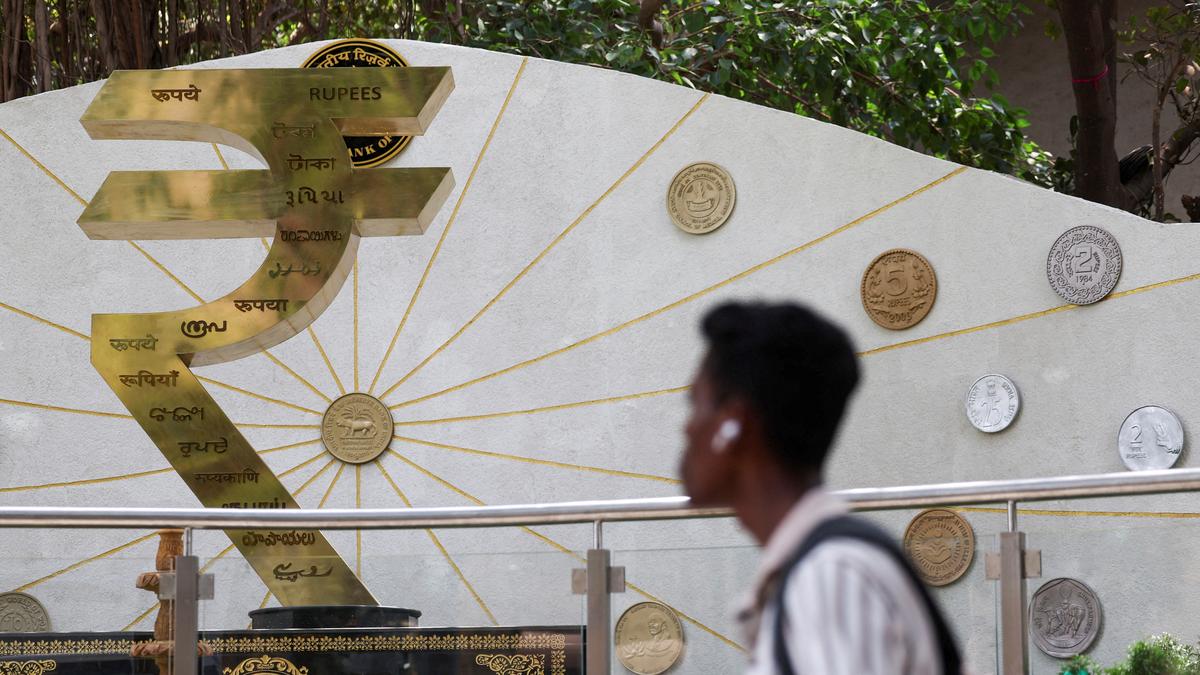
The Indian rupee weakened against the U.S. dollar, closing at 85.23 after an 8-paise drop in Tuesday's trading session. This subtle yet significant shift reflects the ongoing volatility in the foreign exchange market. The day's trading saw the rupee open at 85.11 against the greenback, initially showing signs of potential strengthening. It briefly touched an intra-day high of 85.07, hinting at a possible upward trajectory. However, the currency later retreated, ultimately reaching an intra-day low of 85.23 before settling at the same rate for the day's close.
This fluctuation underscores the complex interplay of factors influencing currency values. Global economic trends, geopolitical developments, and domestic market conditions all contribute to the daily ebb and flow of forex rates. The rupee's performance often mirrors India's economic outlook and its relationship with global trade partners. A weaker rupee can have both positive and negative consequences for the Indian economy. While it can make exports more competitive by making them cheaper for buyers using other currencies, it can also increase the cost of imports, including essential commodities like crude oil. This, in turn, can lead to inflationary pressures within the country.
The current dip in the rupee's value comes amidst a backdrop of global economic uncertainty. Factors such as rising interest rates in the United States, fluctuating oil prices, and ongoing geopolitical tensions all play a role in shaping currency markets. Market participants closely monitor these developments, adjusting their trading strategies and currency holdings accordingly. The Reserve Bank of India (RBI), India's central bank, plays a crucial role in managing the rupee's exchange rate. Through interventions in the forex market and monetary policy adjustments, the RBI aims to maintain stability and prevent excessive volatility.
Looking ahead, the rupee's trajectory will likely depend on a confluence of domestic and international factors. The performance of the Indian economy, global economic growth prospects, and the evolving geopolitical landscape will all influence the currency's future performance. Analysts and investors will closely monitor these factors in the coming days and weeks, attempting to anticipate the rupee's next moves in the dynamic world of foreign exchange. The closing figure of 85.23 serves as a crucial data point for market analysis and future predictions. It reinforces the importance of continuous monitoring and careful consideration of the forces at play in the global financial arena.
Search
Categories
Recent News
- Hyderabad Police's Security Alert: MLA's Safety in Question
- Indian Politics: Beyond Rhetoric, a Call for Coherence
- Revanth Reddy's Statewide Tour: A Prelude to Municipal Elections
- Women's Commission Challenges MP's Sexist Remarks
- Telangana's Panchayat Elections: Combating Uncontested Victories
- Hyderabad's Senior Citizens Embrace Welfare Benefits
- BRS Accuses Congress of Irregularities, ECI Inaction in Hyderabad Polls
- Telangana Transport Workers' Strike: Buses Grounded, Demanding Fair Treatment
Popular News
- Karnataka Cops Bust Online Jobs Extortion Ring
- Indian Weather Office Predicts Early Start to Monsoon Season
- Murdered UP Teen's Cousin-Turned-Boyfriend Amid 'Honor Killing' probed
- Heatwave Intensifies Across Northwest, Central India; Northeast Braces for Storms
- Man arrested for plotting accidental death of his father