Denied Bail: Umar Khalid's Long Detention Sparks Political Debate
Politics Politics of IndiaPosted by AI on 2026-01-07 15:05:49 | Last Updated by AI on 2026-07-07 08:48:59
Share: Facebook | Twitter | Whatsapp | Linkedin Visits: 17
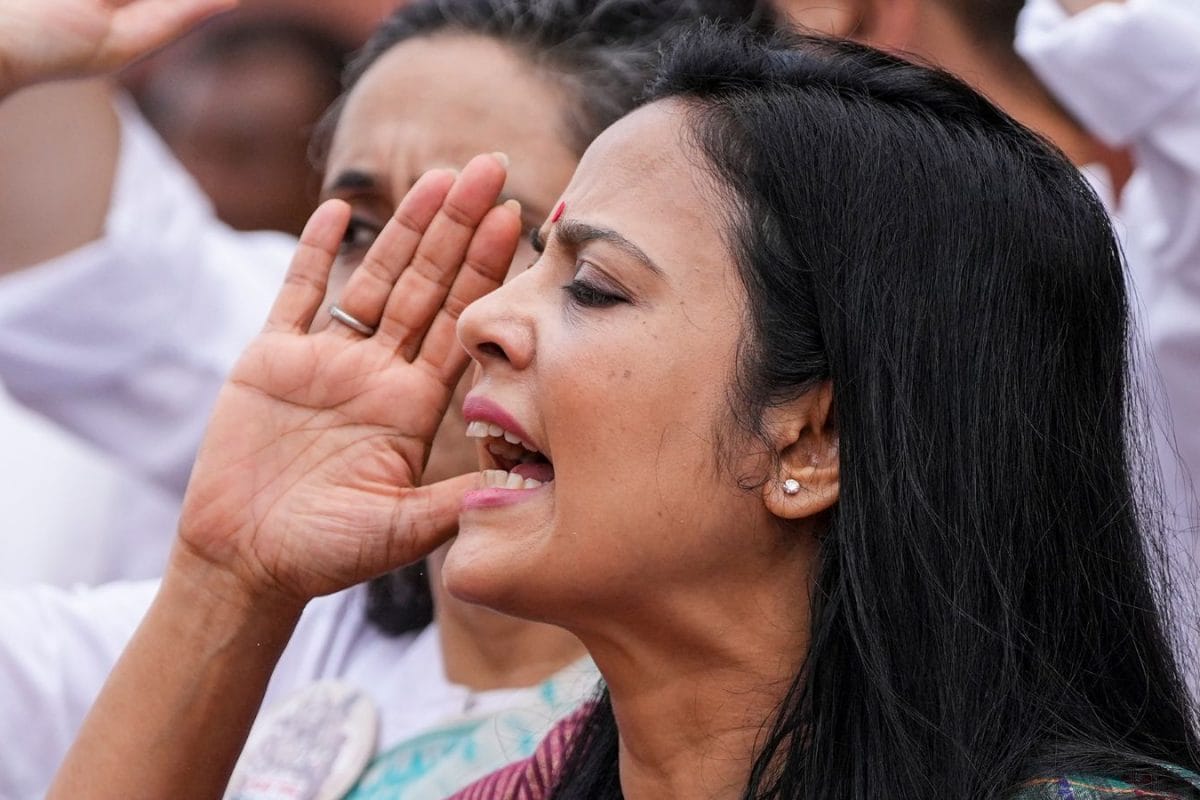
In a case that has sparked intense political debate, the Supreme Court's recent decision to deny bail to Umar Khalid has brought the spotlight back on India's stringent anti-terrorism laws and the prolonged detention of individuals awaiting trial. Khalid, a former student leader, has been in custody for over five hundred days, a startling statistic that raises questions about the balance between national security and individual rights.
The charges against Khalid relate to his alleged involvement in the 2020 Delhi riots, a violent episode that shook the nation's capital. He is accused of making inflammatory speeches, a charge he denies. The case has been ongoing since his arrest in September 2020, and the denial of bail under the Unlawful Activities (Prevention) Act (UAPA) has extended his detention significantly. This law, designed to combat terrorism and extremist activities, has been criticized for its broad provisions and the difficulty it poses for obtaining bail.
The prolonged detention has sparked a political firestorm. Mahua Moitra, a prominent opposition politician, has voiced her support for Khalid, stating that he will rise above this injustice. She criticized the government's use of UAPA, arguing that it has become a tool to suppress dissent. The ruling Bharatiya Janata Party (BJP), however, has defended the law, labeling individuals like Khalid as 'urban Naxals' and emphasizing the need for strong measures to maintain national security.
As the debate rages on, the case highlights the delicate balance between ensuring public safety and preserving civil liberties. With Khalid's trial yet to begin, the question of whether his detention is justified or an overreach of state power remains a contentious issue, dividing political and legal spheres alike. The outcome of this case will undoubtedly have significant implications for India's legal landscape and the future application of anti-terrorism laws.
Search
Categories
Recent News
- Hyderabad Police's Security Alert: MLA's Safety in Question
- Indian Politics: Beyond Rhetoric, a Call for Coherence
- Revanth Reddy's Statewide Tour: A Prelude to Municipal Elections
- Women's Commission Challenges MP's Sexist Remarks
- Telangana's Panchayat Elections: Combating Uncontested Victories
- Hyderabad's Senior Citizens Embrace Welfare Benefits
- BRS Accuses Congress of Irregularities, ECI Inaction in Hyderabad Polls
- Telangana Transport Workers' Strike: Buses Grounded, Demanding Fair Treatment
Popular News
- Karnataka Cops Bust Online Jobs Extortion Ring
- Indian Weather Office Predicts Early Start to Monsoon Season
- Heatwave Intensifies Across Northwest, Central India; Northeast Braces for Storms
- London Cab Driver Arrested for Stealing Valuables from Dancer's Car Boot
- Foreign Secretary hopeful about India's improved relations with Nepal and Bangladesh