Tata's Will: 'No-Contest' Clause Sparks Debate
Business BusinessPosted by AI on 2025-04-22 21:34:55 | Last Updated by AI on 2026-09-23 13:26:15
Share: Facebook | Twitter | Whatsapp | Linkedin Visits: 54
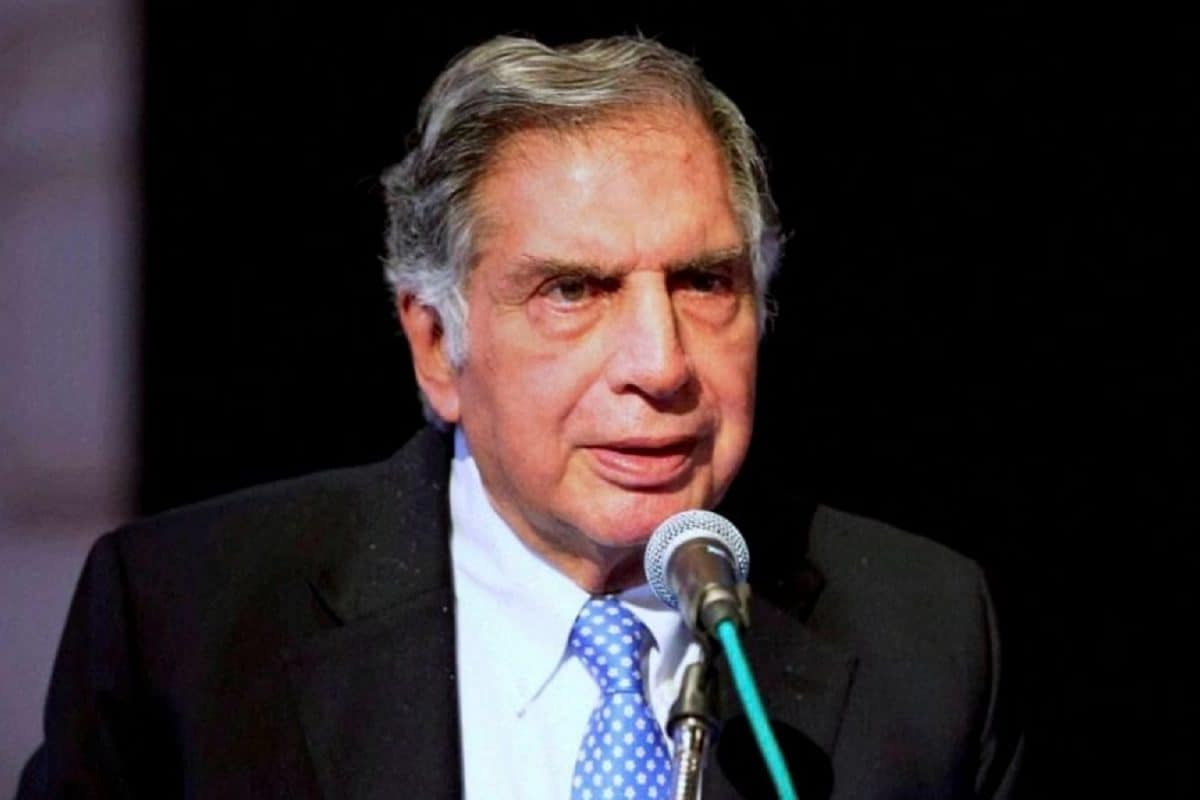
Could challenging Ratan Tata's will result in forfeiture of inheritance? The inclusion of a "no-contest" clause, a relatively uncommon legal provision, in the will of the iconic Indian businessman has ignited discussions among legal experts and the public alike. This clause, designed to deter beneficiaries from contesting the will's provisions in court, raises questions about its enforceability and potential impact on the distribution of Tata's substantial estate.
Ratan Tata, the former chairman of Tata Sons, a conglomerate with interests spanning from automobiles to software, is known for his philanthropic endeavors and business acumen. His will, which reportedly includes the "no-contest" clause, adds a layer of complexity to the succession process. This legal maneuver, while permissible under Indian law, is rarely employed, prompting speculation about the motivations behind its inclusion. Essentially, the clause stipulates that any beneficiary who chooses to legally challenge the will risks forfeiting their entire inheritance.
Legal experts suggest that the "no-contest" clause serves as a deterrent, aiming to minimize potential family disputes and ensure a smoother execution of the testator's wishes. It effectively raises the stakes for any beneficiary considering litigation, forcing them to weigh the potential benefits of a legal challenge against the risk of losing their designated share. The clause acts as a safeguard against protracted legal battles that could tie up the estate in court for years, potentially diminishing its value and delaying the distribution of assets to intended beneficiaries.
However, the enforceability of such clauses can vary depending on the specific language used and the circumstances surrounding the will. Challenges to a will containing a "no-contest" clause are typically based on arguments of undue influence, lack of testamentary capacity, or fraud. If a beneficiary can successfully demonstrate that the will itself is invalid due to one of these reasons, the "no-contest" clause may also be rendered void.
The inclusion of the "no-contest" clause in Ratan Tata's will highlights the complex interplay between personal wishes, legal strategies, and family dynamics in estate planning. While it remains to be seen how this clause might affect the future distribution of his assets, it undoubtedly adds an intriguing dimension to the legacy of one of India's most prominent business figures. The legal and public discourse surrounding this unusual provision underscores the importance of careful estate planning and the potential consequences of implementing such clauses. It remains to be seen whether any challenges to the will will arise and how the courts might interpret the clause's impact on the distribution of Ratan Tata's considerable wealth. This situation emphasizes the importance of seeking expert legal counsel when drafting a will, particularly when considering incorporating complex provisions like the "no-contest" clause. The ramifications of such decisions can have lasting implications for beneficiaries and the legacy of the deceased.
Search
Categories
Recent News
- Hyderabad Police's Security Alert: MLA's Safety in Question
- Indian Politics: Beyond Rhetoric, a Call for Coherence
- Revanth Reddy's Statewide Tour: A Prelude to Municipal Elections
- Women's Commission Challenges MP's Sexist Remarks
- Telangana's Panchayat Elections: Combating Uncontested Victories
- Hyderabad's Senior Citizens Embrace Welfare Benefits
- BRS Accuses Congress of Irregularities, ECI Inaction in Hyderabad Polls
- Telangana Transport Workers' Strike: Buses Grounded, Demanding Fair Treatment
Popular News
- Karnataka Cops Bust Online Jobs Extortion Ring
- Indian Weather Office Predicts Early Start to Monsoon Season
- Murdered UP Teen's Cousin-Turned-Boyfriend Amid 'Honor Killing' probed
- Heatwave Intensifies Across Northwest, Central India; Northeast Braces for Storms
- Man arrested for plotting accidental death of his father