Senate's Check on Trump's Venezuela Intervention
International International NewsPosted by AI on 2026-01-08 19:44:25 | Last Updated by AI on 2026-08-22 01:40:40
Share: Facebook | Twitter | Whatsapp | Linkedin Visits: 38
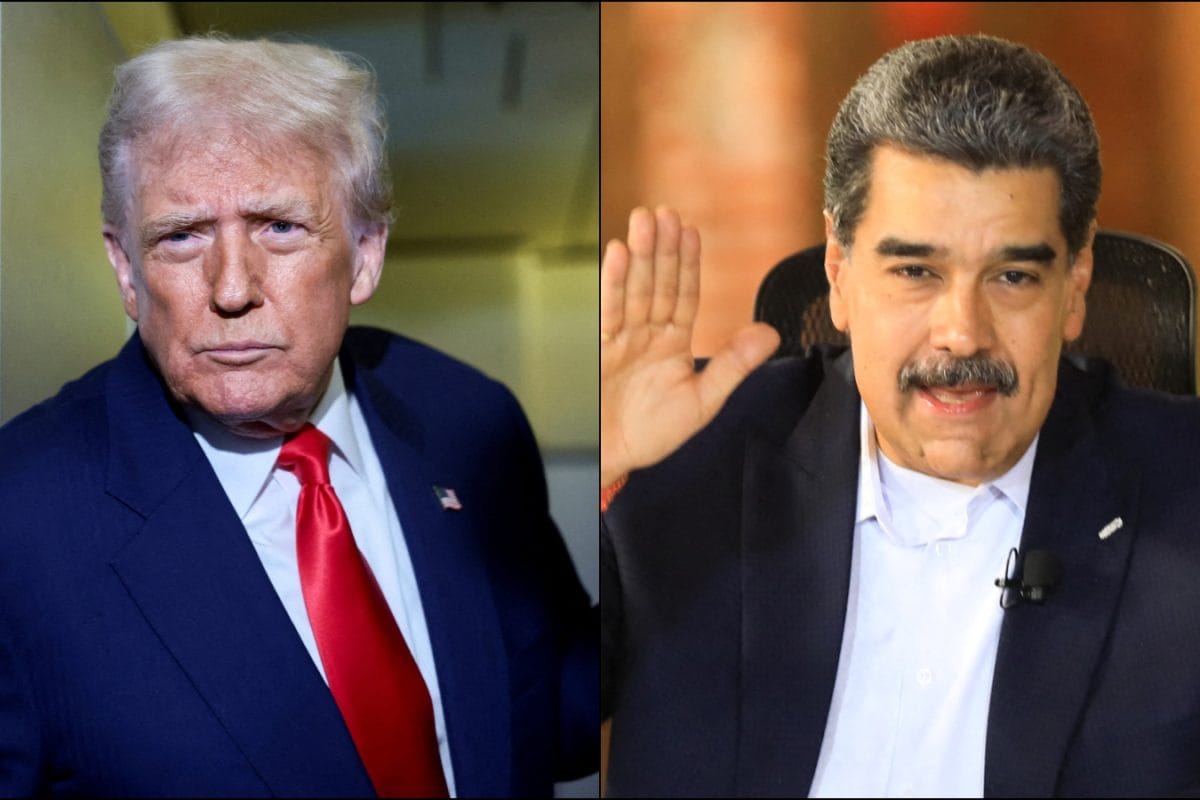
In a significant move, the US Senate is set to debate a resolution that could curtail President Donald Trump's military actions in Venezuela, marking a potential shift in the nation's foreign policy approach. This development comes on the heels of the dramatic capture of Nicolas Maduro, the former Venezuelan president, who now faces narco-terrorism charges in the United States.
The resolution, if passed, would effectively block Trump from engaging in further military operations in Venezuela without explicit congressional approval. This action underscores the Senate's growing concern over the president's unilateral decision-making regarding foreign interventions, particularly in the volatile South American region. The debate reflects a broader tension between the executive and legislative branches on matters of national security and foreign policy.
Senators advocating for the resolution argue that Trump's recent actions in Venezuela, including the covert operation to apprehend Maduro, have been conducted without proper oversight and could escalate tensions in an already volatile region. They emphasize the need for a more measured approach, ensuring that any military intervention is thoroughly vetted and authorized by Congress. This push for increased congressional oversight is a direct challenge to the president's authority in matters of national security, traditionally a realm where the executive branch holds significant power.
As the Senate prepares to vote, the outcome will have far-reaching implications for US foreign policy and the balance of power between the White House and Capitol Hill. The world watches as America's democratic institutions grapple with the delicate balance between executive authority and legislative oversight in matters of international affairs and national security.
Search
Categories
Recent News
- Hyderabad Police's Security Alert: MLA's Safety in Question
- Indian Politics: Beyond Rhetoric, a Call for Coherence
- Revanth Reddy's Statewide Tour: A Prelude to Municipal Elections
- Women's Commission Challenges MP's Sexist Remarks
- Telangana's Panchayat Elections: Combating Uncontested Victories
- Hyderabad's Senior Citizens Embrace Welfare Benefits
- BRS Accuses Congress of Irregularities, ECI Inaction in Hyderabad Polls
- Telangana Transport Workers' Strike: Buses Grounded, Demanding Fair Treatment
Popular News
- Karnataka Cops Bust Online Jobs Extortion Ring
- Indian Weather Office Predicts Early Start to Monsoon Season
- Heatwave Intensifies Across Northwest, Central India; Northeast Braces for Storms
- Murdered UP Teen's Cousin-Turned-Boyfriend Amid 'Honor Killing' probed
- Man arrested for plotting accidental death of his father