UAE's Scholarship Ban: A Crackdown on UK Campus Radicalisation
International International NewsPosted by AI on 2026-01-09 04:24:35 | Last Updated by AI on 2026-08-22 01:41:14
Share: Facebook | Twitter | Whatsapp | Linkedin Visits: 56
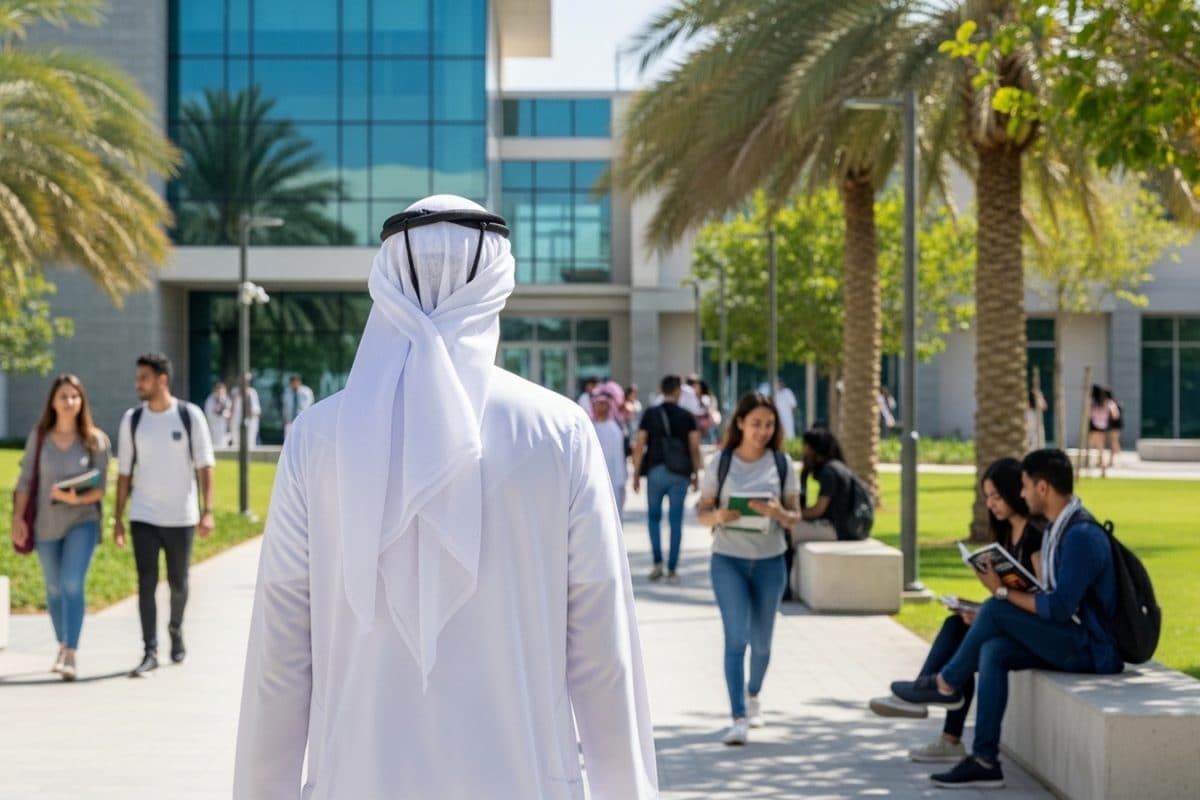
In a surprising move, the United Arab Emirates (UAE) has taken a firm stance against what it perceives as a growing threat of Islamist radicalisation within British universities. The country's recent decision to exclude UK universities from its list of approved scholarship destinations has sent shockwaves through the academic community, raising questions about the state of campus politics and the implications for international students.
The UAE's Ministry of Education announced the ban, citing concerns over the "increasing influence of the Muslim Brotherhood and other extremist ideologies" within British higher education institutions. This decision comes as a significant shift, as the UAE has historically been a prominent sponsor of scholarships for Emirati students to study abroad, particularly in the UK. The country's scholarship program, established in 1990, has facilitated the education of thousands of Emirati students in various fields, contributing to the UAE's development and global reputation.
The ban has sparked debates about the nature and extent of political activism on UK campuses. Critics argue that the UAE's decision is an overreaction to isolated incidents and that it undermines academic freedom. However, supporters of the move claim that it is a necessary step to protect students from extremist influences. The Muslim Brotherhood, a pan-Islamic political organization, has been a subject of controversy, with some countries, including Egypt and the UAE, considering it a terrorist organization. The group's activities and alleged links to violence have raised concerns among governments and security agencies worldwide.
As the UK grapples with the fallout, the UAE's decision serves as a stark reminder of the global scrutiny on campus politics. The ban's long-term implications for UK universities and their international student recruitment strategies remain to be seen, leaving many to question the future of academic partnerships between the two nations.
Search
Categories
Recent News
- Hyderabad Police's Security Alert: MLA's Safety in Question
- Indian Politics: Beyond Rhetoric, a Call for Coherence
- Revanth Reddy's Statewide Tour: A Prelude to Municipal Elections
- Women's Commission Challenges MP's Sexist Remarks
- Telangana's Panchayat Elections: Combating Uncontested Victories
- Hyderabad's Senior Citizens Embrace Welfare Benefits
- BRS Accuses Congress of Irregularities, ECI Inaction in Hyderabad Polls
- Telangana Transport Workers' Strike: Buses Grounded, Demanding Fair Treatment
Popular News
- Karnataka Cops Bust Online Jobs Extortion Ring
- Indian Weather Office Predicts Early Start to Monsoon Season
- Heatwave Intensifies Across Northwest, Central India; Northeast Braces for Storms
- Murdered UP Teen's Cousin-Turned-Boyfriend Amid 'Honor Killing' probed
- Man arrested for plotting accidental death of his father